Tehran’s $24 Billion Ultimatum: A High-Stakes 'Trust Test' for Trump
$24bn 'trust test' for Trump? Khamenei aide seeks frozen assets, warns US of wider war
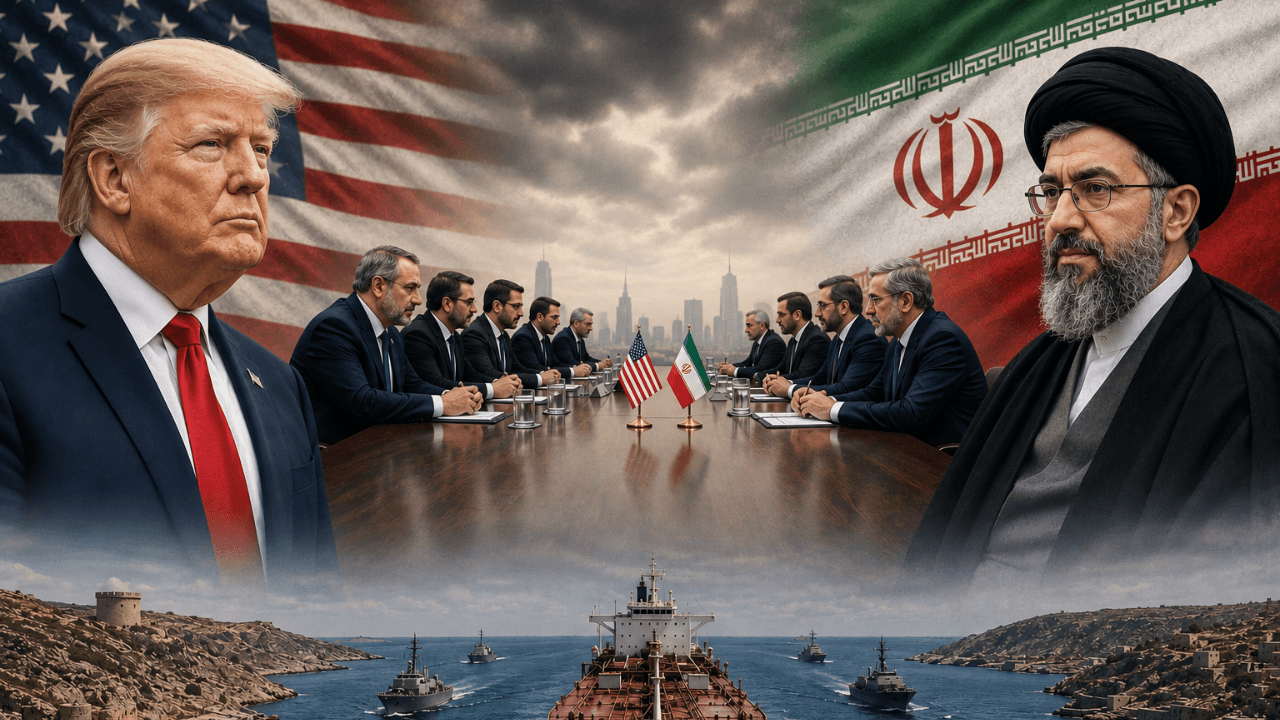
As tensions simmer in the Middle East, a senior aide to Supreme Leader Khamenei warns that the path to a potential diplomatic breakthrough hinges on the release of frozen Iranian assets.
The diplomatic stalemate between Washington and Tehran has entered a volatile new phase. Mohsen Rezaei, a top military adviser to Iran's Supreme Leader Ayatollah Ali Khamenei, has framed the release of $24 billion in frozen Iranian assets as the ultimate "trust test" for the Trump administration. According to Rezaei, this financial maneuver is not merely a demand for liquidity, but a necessary indicator of whether the United States is genuinely prepared to de-escalate the ongoing regional friction.
Rezaei, speaking in a recent interview, outlined a two-stage proposal for the funds: an immediate release of $12 billion upon the signing of an interim agreement, followed by the remaining half at a later stage. He maintained that these funds are the rightful property of Iran, asserting that "this is our own money, not America's money." By positioning the transaction as a litmus test, Tehran is essentially challenging Donald Trump to prove his commitment to a new diplomatic framework that moves beyond the antagonistic policies of previous years.
Navigating the Deadlock
The proposal arrives at a delicate moment for the Trump administration, which has been vocal in its disdain for the 2015 nuclear deal and has sought to craft a much more stringent agreement. While both Washington and Tehran have publicly expressed a desire to avoid an all-out regional conflict, the chasm between their respective demands remains wide. American officials have remained cautious, wary that unfreezing such a significant sum would strip the U.S. of a primary leverage point before substantive negotiations on nuclear or regional security issues have even begun.
Beyond the boardroom, the rhetoric carries a heavy, martial undertone. Rezaei did not mince words regarding the consequences of continued failure to reach an agreement, explicitly warning that further military confrontation would force Iran to expand the scope of its retaliation. He suggested that future friction would not be contained to the Persian Gulf but could potentially ripple across global strategic waterways, including the Red Sea, the Mediterranean, and the Bab al-Mandab Strait.
Strategic Implications for the Region
For observers of Middle Eastern geopolitics, the mention of these specific maritime corridors is a signal of the potential economic stakes involved. Any disruption to these routes—vital for global energy and trade—would immediately elevate the conflict from a bilateral dispute between the U.S. and Iran to a global crisis. The situation remains a high-wire act for the Trump administration, which is currently balancing the political pressure to maintain a "maximum pressure" campaign against the strategic need to prevent a wider, costlier war.
Ultimately, the demand for the $24 billion serves as both a barrier and a bridge. Whether the Trump administration views this as a non-starter or an opening for a deeper agreement remains the central question in Washington. For now, the "test" has been set, and the ball is firmly in the court of the White House to decide if the cost of this particular trust-building exercise is one worth paying.
The PoliticalPedia Editorial Desk brings verified, sourced political news and analysis from across India.