Beijing’s Pacific Missile Test: Why the Indo-Pacific is on Edge
US, allies rattled after China's missile test - why the launch set off alarm bells
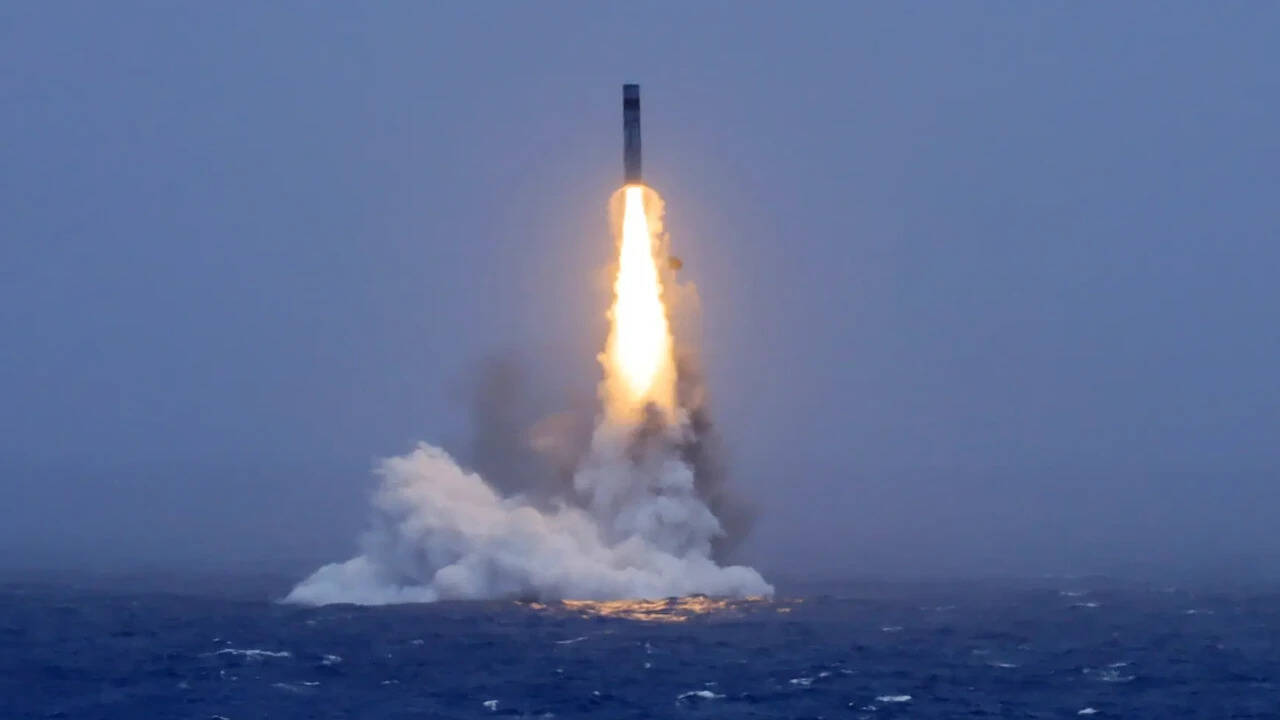
A rare long-range ballistic missile launch by China into the Pacific has triggered a chorus of concern, exposing deepening fractures between Beijing and its neighbours.
The quiet of the Pacific was shattered this week when Beijing conducted a rare test-firing of a long-range ballistic missile from a nuclear-powered submarine. While China’s defence establishment labelled the event "routine annual military training," the geopolitical aftershocks were anything but routine. The missile, reportedly carrying a dummy warhead, travelled over the Philippines before plunging into the high seas, effectively signalling a new level of strategic posturing that has left regional capitals scrambling for answers.
A Growing Nuclear Shadow
The United States was quick to lead the criticism, framing the launch as a symptom of a far more worrying trend. A State Department spokesperson didn't mince words, suggesting that while Washington is actively working to curb nuclear proliferation, China is moving in the opposite direction. The concern isn't just about this single launch; it’s about the rapid, opaque expansion of China’s nuclear arsenal. Washington has urged Beijing to embrace meaningful arms control and, crucially, to establish regular notification channels for intercontinental-range missile and space launches to prevent accidental escalation.
Regional Pushback
The reaction from across the Indo-Pacific has been swift and sharp. In Manila, officials didn't hold back, calling the launch a "reckless display of military power" that serves no peaceful purpose. Taiwan’s National Security Council, identifying the weapon as a JL-2, was equally blunt, labelling the move an act of bullying. From Tokyo’s "serious concerns" to Australia’s warning that such actions are inherently destabilising, the message is clear: Beijing’s neighbours are increasingly wary of its expansionist trajectory. Even New Zealand, which received only a few hours' notice, highlighted that the missile landed within the South Pacific Nuclear Free Zone, a sensitive area protected under the Treaty of Rarotonga.
The Bigger Picture
Why does this matter? For years, the Pacific has been the primary chessboard for the strategic competition between the United States and China. By firing a submarine-launched ballistic missile into the deep ocean, Beijing is demonstrating a credible, survivable second-strike capability—a clear message that its reach is extending further than ever. This isn't just about military hardware; it is a signal of China’s intent to reshape the security architecture of the region.
As the dust settles, the patterns remain clear: the lack of transparent communication between major nuclear powers is turning the Pacific into a flashpoint. While markets and analysts often focus on indicators like the trent share price to gauge corporate health, the current volatility in the maritime domain suggests that the real risks to stability are now being written in missile trajectories. Whether this test leads to a new era of arms race or a return to the negotiating table remains to be seen, but for now, the alarm bells in the Indo-Pacific are ringing louder than they have in years.
Priya Nair covers parties, elections and the business of power for PoliticalPedia.