Strait of Hormuz on edge as US launches fresh strikes on Iranian military targets
'Vigilant, lethal, and ready': US unleashes fresh strikes on 10 Iranian military targets — video
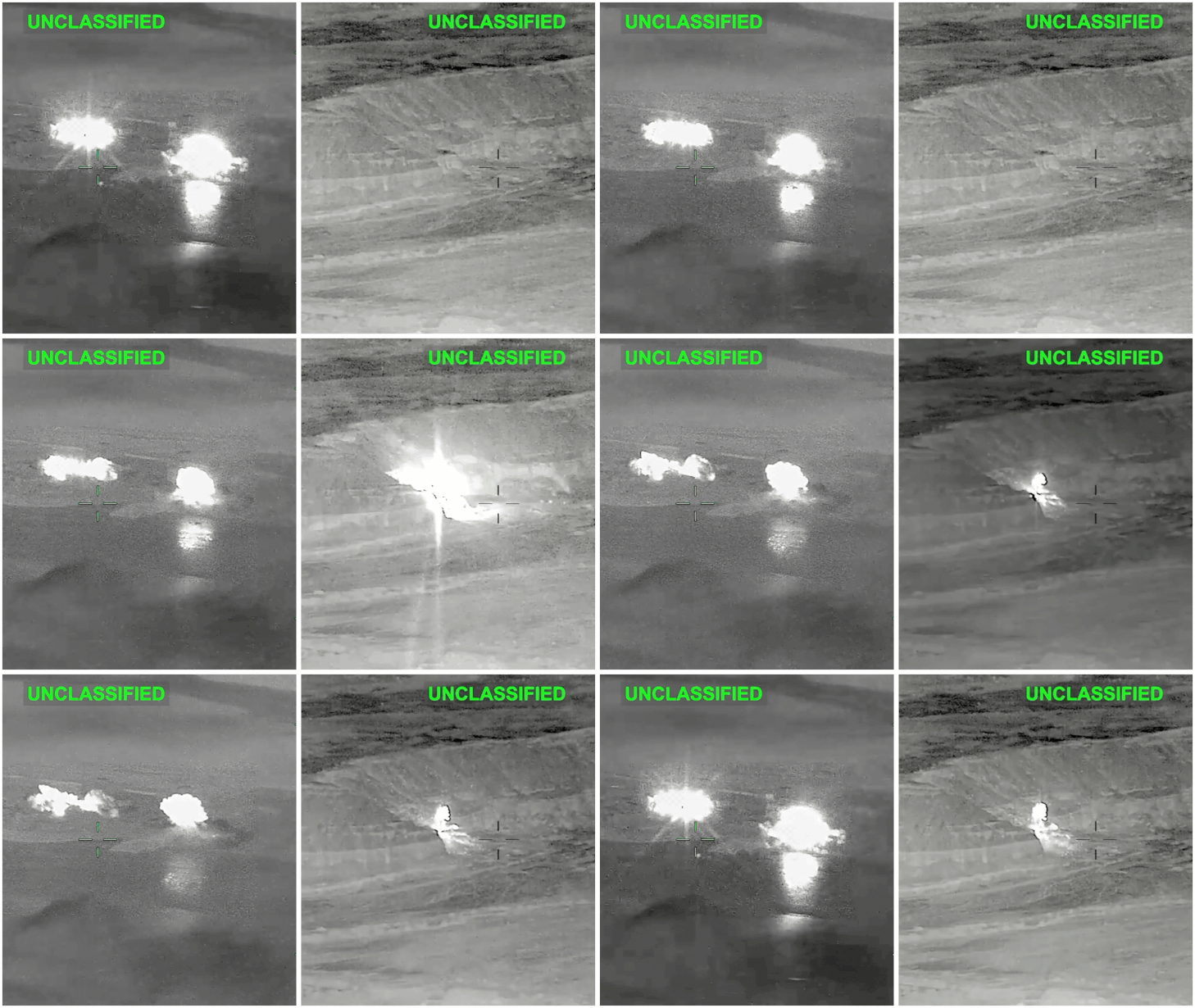
Retaliatory operations hit surveillance and drone infrastructure following a strike on a commercial oil tanker, shattering a fragile ceasefire.
The Strait of Hormuz, the world’s most critical energy artery, is once again a powder keg. US Central Command (Centcom) has confirmed a series of precise, high-intensity strikes on 10 Iranian military targets, spanning from coastal radar sites to drone storage facilities. The operation follows a brazen one-way drone attack on the Panama-flagged oil tanker M/T Kiku, which was carrying over two million barrels of crude when it was struck at 4:30 am ET.
Washington’s message is blunt: its forces remain "vigilant, lethal, and ready." The latest US military action comes after Tehran allegedly violated an interim ceasefire agreement—a deal that was intended to de-escalate months of simmering maritime hostility. President Donald Trump, confirming the strikes on social media, warned that the US is prepared to "militarily complete the job" if Iran continues its offensive against international commercial shipping.
A cycle of retaliation
This escalation is not occurring in a vacuum. The region has seen a rapid deterioration in security, with reports indicating retaliatory strikes reaching as far as US bases in Kuwait and Bahrain. Tensions have reached a fever pitch, exacerbated by reports of hits on the Natanz nuclear facility, which have triggered alarms from the International Atomic Energy Agency (IAEA) regarding potential radiation risks. For a global economy heavily dependent on the oil flowing through this narrow passage, the disruption to maritime traffic is not merely a regional security concern—it is an immediate threat to energy stability.
Why it matters: The bigger picture
The collapse of the ceasefire highlights a dangerous pattern of brinkmanship that is fast outstripping diplomatic channels. By targeting Iranian minelayer capabilities and surveillance infrastructure, the US is clearly attempting to degrade Tehran's ability to "choke" the Strait of Hormuz. However, the tit-for-tat nature of these engagements suggests both sides are trapped in a cycle of escalation where each retaliatory move invites a more severe response. For India, which relies on the stability of these trade routes for its energy security, the situation presents a precarious balancing act; any sustained closure or conflict in the Strait could spike global crude prices and derail domestic economic recovery.
The coming days will be critical. As Iranian state television reports explosions in areas north of the strategic waterway, the international community is watching to see if this remains a contained military operation or if it spirals into a wider, unmanageable conflict. The ceasefire is effectively dead, and the threat of a broader regional flare-up has never been more immediate.
Ananya Iyer covers global affairs with an Indian lens for PoliticalPedia.