Speaker Birla faces a litmus test as TMC and Shiv Sena (UBT) face potential splits
Speaker Birla to decide on TMC, Sena (UBT) defections before Monsoon Session
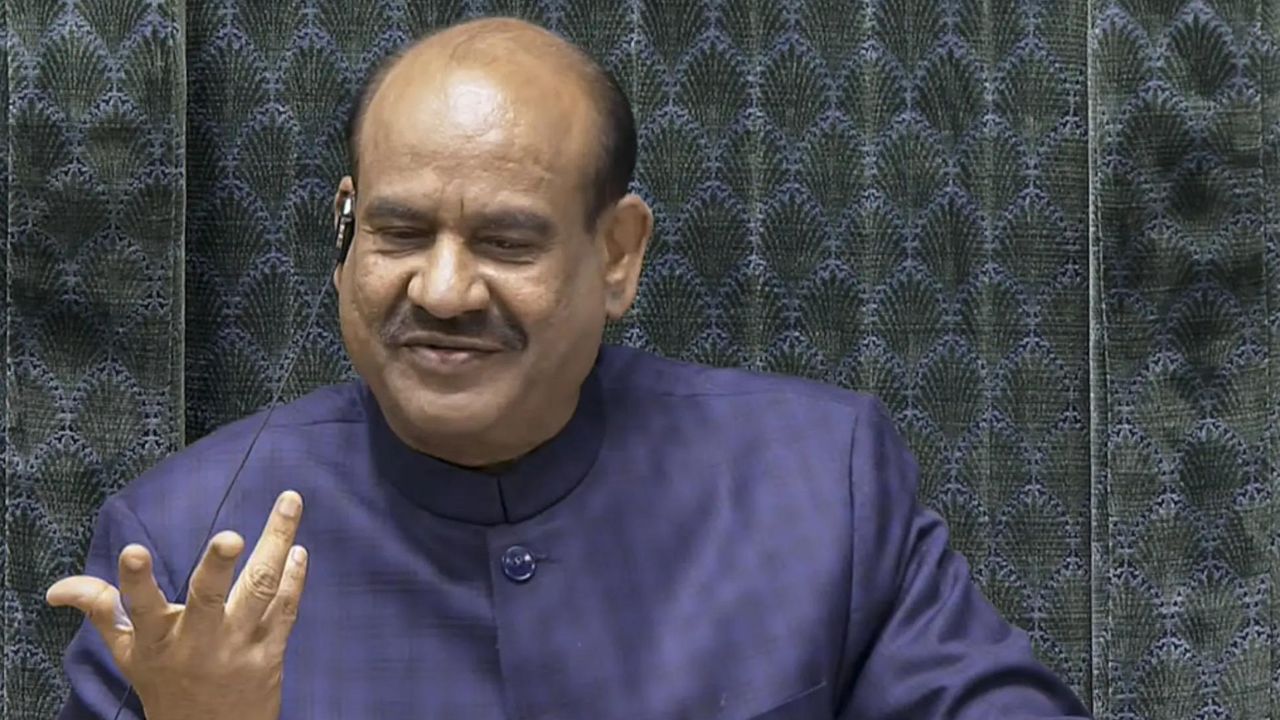
With the Monsoon Session looming, the fate of rebel MPs rests on Speaker Birla’s interpretation of the Tenth Schedule.
The corridors of Parliament are buzzing with more than just the usual pre-session logistics. As the Lok Sabha Secretariat prepares for the upcoming Monsoon Session, likely to begin in the third week of July, Speaker Birla finds himself at the centre of a high-stakes constitutional drama. Two major opposition forces—the Trinamool Congress (TMC) and the Shiv Sena (UBT)—are staring at internal fractures that threaten to redraw the political map of the House.
The numbers behind the rebellion
The scale of the crisis is particularly acute for the TMC. Out of 29 members elected on its ticket in the 2024 general elections, 20 have effectively broken ranks. This group has aligned itself with the Nationalist Citizens Party of India (NCPI), a Howrah-based entity, and has formally signaled an inclination to join the NDA. With one TMC seat vacated due to a death, the party’s stability hangs by a thread. Meanwhile, in Maharashtra, the Shiv Sena (UBT) is grappling with a similar exodus, as six of its nine MPs have shifted allegiance to the Eknath Shinde-led faction.
Both parent parties have knocked on the Speaker’s door, urging him to invoke the anti-defection law. The central argument from the leadership is clear: the Tenth Schedule provides protection only if two-thirds of a party merges with another, not when individuals or small groups jump ship. Abhishek Banerjee, spearheading the TMC’s legal offensive, has been clear in his communications with the Speaker’s office, insisting that these defections do not meet the constitutional threshold for immunity.
The legal maze
Speaker Birla has already held rounds of meetings with delegations from the rebel camps and the original party leaderships. Behind the scenes, legal experts attached to the Lok Sabha are scouring past rulings and precedents to ensure any decision remains bulletproof against future litigation. The challenge is as much about parliamentary procedure as it is about politics. Aside from these defections, the DMK has also approached the Speaker seeking a seating shuffle, following the breakdown of their long-standing alliance with the Congress—a shift that adds another layer of complexity to the floor management in the lower house.
Why it matters
This is more than a mere seating arrangement exercise. The Speaker’s decision will set a critical precedent for how the anti-defection law is interpreted in an era of fluid alliances and increasingly fragmented party structures. If the NCPI alignment or the Shinde-led shift is validated, it could embolden further erosion of opposition benches. Conversely, a strict application of the Tenth Schedule would reassert the dominance of party discipline over individual political manoeuvring. Ultimately, the outcome will dictate the tone of the Monsoon Session, turning the Speaker’s chair into the most significant battleground in Delhi.
Arjun Mehta reports on government, policy and Parliament for PoliticalPedia, in English and Hindi.