Silicon Valley’s H-1B Pivot: Why AI Titans Are Doubling Down While Big Tech Retreats
Federal data on H-1B visa application shows decline in filings by Google, Meta, Amazon
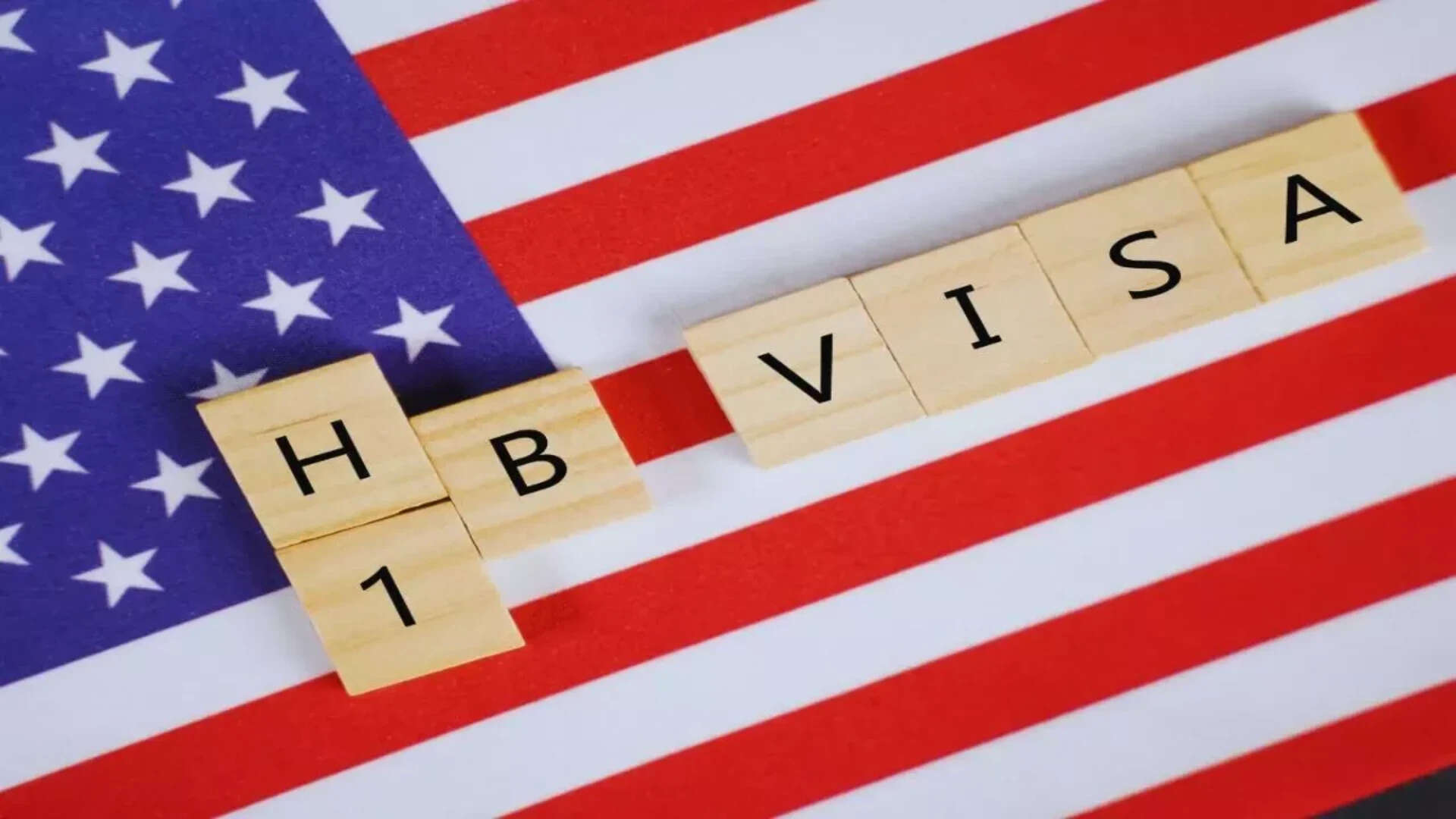
New federal filings reveal a stark shift in US hiring, as legacy giants slash foreign recruitment while AI innovators aggressively chase global talent despite rising costs.
The landscape of American tech recruitment is undergoing a fundamental realignment. Recent federal data shows that the era of aggressive H-1B visa usage by Silicon Valley’s traditional titans—Google, Meta, Amazon, and Microsoft—has hit a significant wall. Amidst a wave of structural layoffs and a strategic pivot toward leaner, specialized "pods," these firms have drastically reduced their reliance on the H-1B program, signaling a shift in how they source global talent.
For years, the visa program was the lifeblood of the US tech workforce. However, the latest filings for the 2027 allocation show a sharp cooling. USCIS reported a total of 211,600 properly submitted applications, a massive drop from the 343,981 filed the previous year. For the giants, the math has changed; many are increasingly opting to move operations overseas rather than navigate the mounting costs and logistical friction of the American visa lottery.
The AI Gold Rush
While the giants pull back, a new breed of AI-focused companies is bucking the trend. The contrast is sharp: Anthropic, OpenAI, and Nvidia are treating the H-1B program not as a burden, but as a strategic necessity. Anthropic saw its certified applications jump from just 10 to 59 in a single year, while OpenAI more than tripled its filings. Even chipmaker Nvidia, which is already a dominant force in the space, pushed its applications to 765 from 641.
These firms are operating under a "do whatever it takes" philosophy. Recruiters point out that for companies building the next frontier of artificial intelligence, the cost of an H-1B visa—even with the recent, albeit controversial, $100,000 fee for certain applicants—is a rounding error compared to the immense value of landing a world-class researcher. They are willing to pay the premium to secure the elite talent that is currently driving the global AI race.
The Policy Pressure Cooker
The decline in filings isn't just a byproduct of internal corporate restructuring; it is a direct response to a more hostile regulatory environment. New rules have tilted the H-1B lottery in favor of higher-paid, more experienced workers, leaving younger professionals and recent graduates at a disadvantage. This has led some firms to sit out the lottery entirely, waiting for the legal and procedural dust to settle before committing to the process.
For the tech sector, these hurdles create a bottleneck. While certified applications—reviewed by the Labor Department—are meant to protect domestic wages and ensure fair hiring, the current climate has turned a routine administrative process into a high-stakes gamble. As companies weigh the uncertainty of the lottery against the stability of building teams in overseas tech hubs, the US risks losing its grip on the very talent that sustains its competitive edge.
The Bigger Picture
This divergence between legacy tech and AI startups marks a maturing of the sector. The era of unchecked growth for companies like Google and Meta is being replaced by a focus on efficiency and margin protection, leading them to reconsider their dependence on the US visa system. Conversely, the AI surge is a reminder that in the high-stakes world of innovation, specialized human capital remains the most precious commodity.
Ultimately, if the US continues to make the H-1B process more expensive and unpredictable, it may inadvertently force a permanent migration of tech brainpower. If companies can no longer easily bring the best minds to their headquarters, they will simply take their headquarters—and their capital—to where that talent already resides.
Arjun Mehta reports on government, policy and Parliament for PoliticalPedia, in English and Hindi.