After a fiery test explosion, Jeff Bezos promises a New Glenn comeback
Jeff Bezos recalls 'very bad day for Blue Origin' with a 'promise'
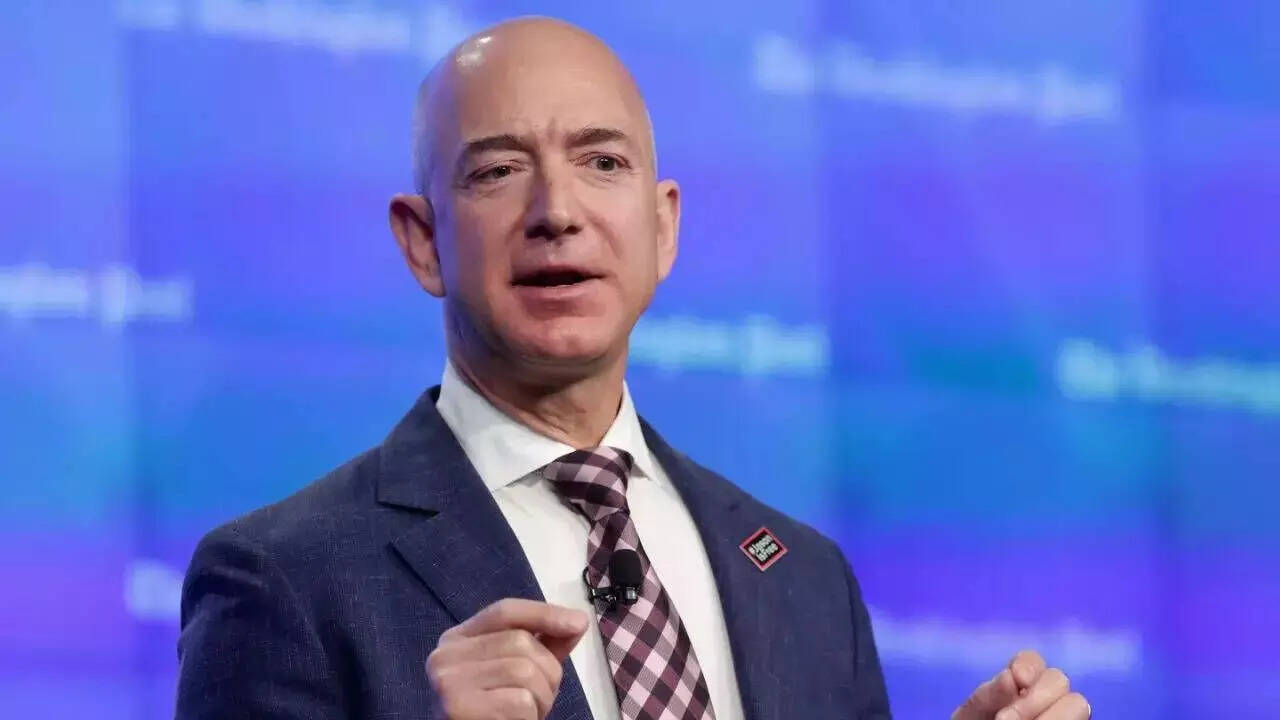
The billionaire founder is betting on a rapid recovery for his heavy-lift rocket after a catastrophic ground failure at the Cape Canaveral facility.
The silence at the Cape Canaveral launch facility was shattered last month when a static-fire test of the New Glenn rocket ended in an explosion. For Blue Origin, the incident was a stark reality check. The heavy-lift vehicle, designed to be the backbone of the company’s orbital ambitions, was reduced to a site of wreckage and investigation during what should have been a routine systems check.
Jeff Bezos, in a candid assessment, didn't mince words about the gravity of the incident. In a recent interview, he described the event as a "very bad day" for the firm and its employees. The explosion occurred while the rocket was strapped down, its engines roaring during a hot-fire test meant to validate the vehicle's readiness. Instead, the hardware failed, triggering a blast that has since forced the team back to the drawing board.
The road to recovery
Despite the optics of a mangled launchpad, Bezos maintains an optimistic outlook on the timeline. He claims that the company managed to avoid the worst-case scenario: the most critical long-lead components of the rocket survived the blast. While investigators are still picking through the data to pinpoint the exact root cause, the founder has issued a firm deadline, promising that the New Glenn will return to flight before the end of 2026.
This is a high-stakes pivot for a company that has already faced its share of turbulence. The New Glenn programme recently navigated a difficult stretch following an April mission that saw an AST SpaceMobile satellite deployed into an incorrect orbit. The rocket was intended to carry 48 satellites for Amazon’s Kuiper internet initiative during the test that ultimately failed, adding commercial pressure to the technical setbacks.
Why it matters
The broader space race is becoming increasingly crowded, and the stakes for Blue Origin extend far beyond just one rocket. While Elon Musk’s SpaceX is currently scaling its operations to an unprecedented size—with market valuations that dwarf traditional aerospace players—Blue Origin is fighting to establish its own reliability for government and commercial contracts.
The incident highlights the brutal trial-and-error nature of the private space sector. Restoring the damaged infrastructure at Cape Canaveral is no small feat; experts like NASA Administrator Jared Isaacman have already signaled that a full restoration will take significant time. For Bezos, the path forward isn't just about rebuilding steel and sensors—it is about restoring market confidence. If the company hits its 2026 target, it will signal that they can withstand the "very tough" moments that define the path to orbit.
Arjun Mehta reports on government, policy and Parliament for PoliticalPedia, in English and Hindi.