Shehbaz Sharif Credits Trump for India-Pakistan Ceasefire; New Delhi Maintains Firm Stand
Shehbaz Sharif says Pakistan ‘forever grateful’ to Trump for India ceasefire, calls him ‘man of peace’
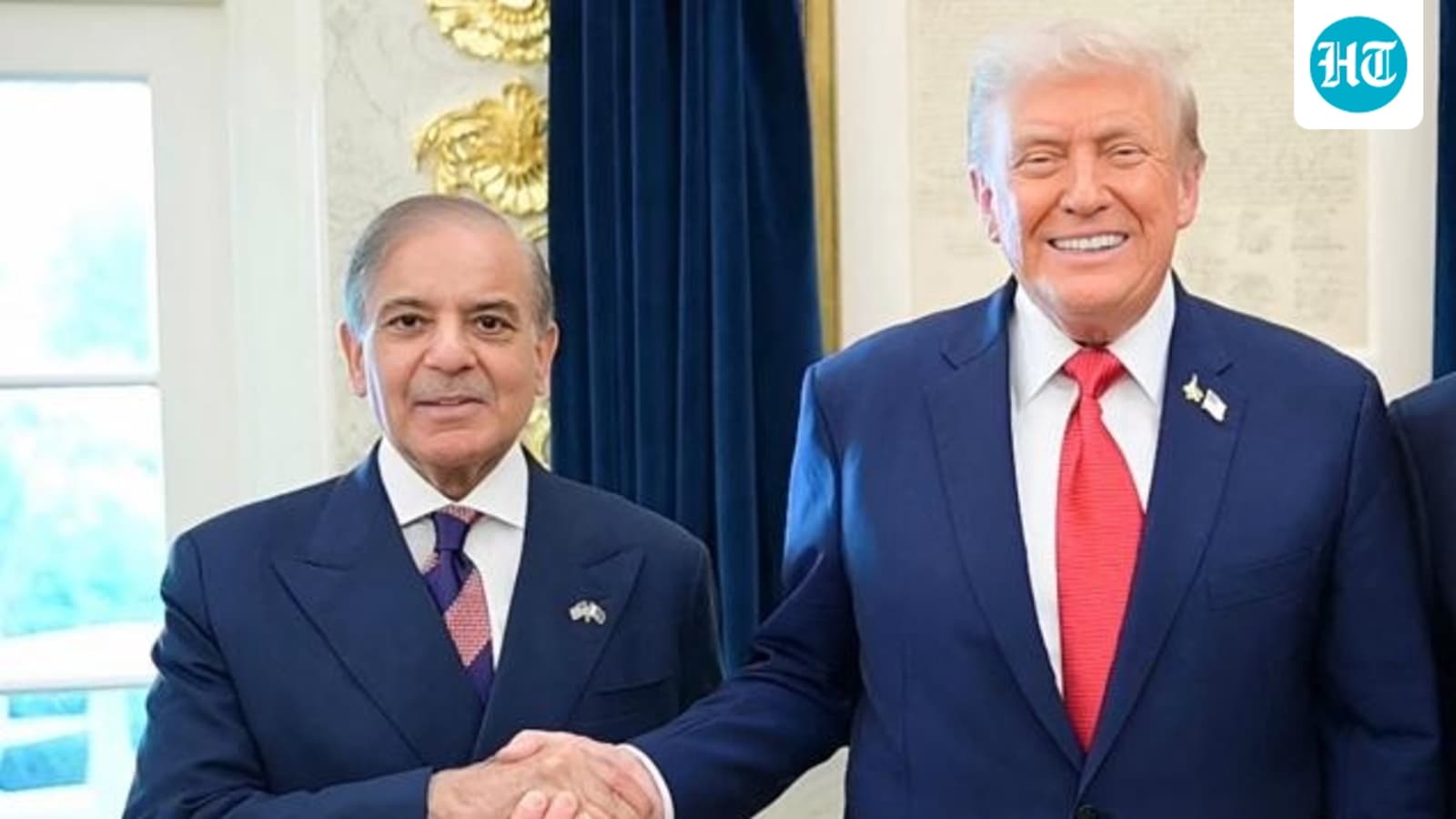
Pakistan’s Prime Minister has publicly praised Donald Trump’s diplomatic role in the 2025 border de-escalation, even as Indian officials reiterate that the truce was a result of direct bilateral communication.
Addressing a reception at the US Embassy in Islamabad to commemorate the 250th anniversary of American independence, Pakistan Prime Minister Shehbaz Sharif struck a conciliatory tone regarding his nation's foreign policy. Sharif declared that Pakistan would “forever remain grateful” to Donald Trump, labeling the former US President a “man of peace” for his alleged role in facilitating the ceasefire between Pakistan and India on May 10, 2025.
The Prime Minister’s remarks underscored what he described as a “true and special relationship” between Washington and Islamabad. According to Sharif, it was Trump’s “timely and most decisive intervention” that halted the hostilities that had escalated following India’s Operation Sindoor. That military action had been launched by New Delhi on May 7, 2025, in direct response to a lethal terror attack in Pahalgam, Jammu and Kashmir, which claimed 26 lives.
A Clash of Narratives on Mediation
While Sharif is adamant that US diplomatic pressure was the catalyst for the cessation of hostilities, New Delhi’s position remains fundamentally at odds with this account. Indian officials have consistently asserted that there was no third-party mediation involved in the resolution of the conflict. Instead, the Indian government maintains that the ceasefire agreement was reached through direct, back-channel communication between the Directors General of Military Operations (DGMOs) of the two nations.
This is not the first time such a discrepancy has surfaced. Donald Trump has frequently claimed credit for brokering peace in South Asia during his political rallies, often citing his ability to end international conflicts as a hallmark of his administration’s efficacy. His recent comments, where he claimed to have “ended eight wars” and hinted at a ninth, align with the narrative now being championed by the Pakistani leadership.
The Regional Stakes
The geopolitical tension between the two nuclear-armed neighbors remains a critical point of concern for international observers. For Sharif, casting Trump as a peacemaker serves to strengthen ties with a key global power while simultaneously signaling to the domestic audience that his administration is capable of securing regional stability. However, the diplomatic friction highlights the persistent challenge of defining the parameters of South Asian security without relying on external stakeholders.
As the region moves forward from the events of last May, the conflicting reports regarding the ceasefire underscore a deeper divide in how the two nations perceive their sovereign interactions. While Islamabad seeks to leverage international influence to bolster its diplomatic standing, India continues to prioritize a bilateral framework for managing its security threats, effectively closing the door on third-party interventions.
The PoliticalPedia Editorial Desk brings verified, sourced political news and analysis from across India.