'Shared In Our Sorrow': Iran Thanks India For Standing Shoulder-To-Shoulder During West Asia War
'Shared In Our Sorrow': Iran Thanks India For Standing 'Shoulder-To-Shoulder' During West Asia War
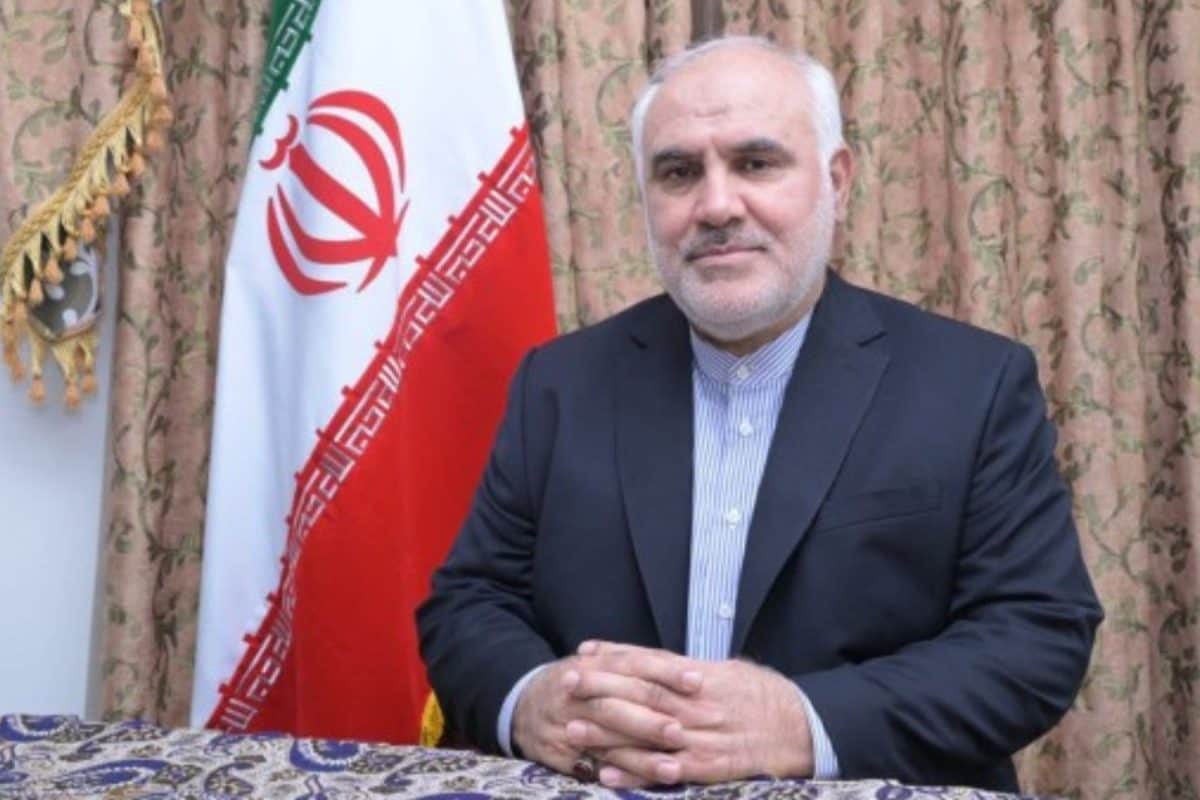
The Iranian Embassy in New Delhi has formally expressed its appreciation for the widespread support received from the Indian public during the recent regional conflict.
The diplomatic mission of Iran in New Delhi issued a formal statement on Wednesday, extending heartfelt gratitude to the diverse segments of Indian society that offered solidarity during the recent 12-day military escalation. Following the establishment of a ceasefire between Iran, Israel, and the United States, the embassy highlighted the role of Indian citizens, political factions, and institutions in providing a source of encouragement while the nation faced significant external pressure.
A Nation in Mourning
The conflict, which began on February 28, saw a period of intense crisis for Tehran, marked by the loss of high-ranking political and military leadership, including the Supreme Leader, Ayatollah Ali Khamenei. Speaking at an event in the capital, Iran’s Ambassador to India, Dr. Mohammad Fathali, reflected on the intensity of this period. He noted that the people of India "shared in our sorrow," emphasizing that individuals from various walks of life and religious backgrounds reached out to offer their condolences and support during a time of national distress.
The ambassador observed that the people of India stood "shoulder to shoulder" with Iran, a sentiment that the embassy underscored as a rejection of what it characterized as violations of international norms. While the embassy’s message of appreciation was broad—encompassing civil society, media professionals, spiritual leaders, and academia—it notably refrained from making any direct reference to the official stance of the Indian government.
Solidarity and Global Principles
In its official communication, the Iranian embassy described the backing from Indian institutions as a manifestation of a commitment to universal justice and the foundational tenets of the United Nations Charter. The statement suggested that the vocal support from various Indian entities served as a bulwark against what Tehran termed "blatant aggression" and expansionist policies.
The ceasefire, which was announced by U.S. President Donald Trump, brought an end to the 12-day military engagement that had included strikes on Iranian infrastructure. As the region navigates the post-conflict landscape, the Indian government has maintained its position of welcoming the de-escalation, expressing a readiness to support diplomatic efforts aimed at maintaining regional stability. For the Iranian diplomatic mission, however, the primary focus this week remained on acknowledging the grassroots solidarity that defined the experience of the Iranian people during their most challenging weeks of the year.
The PoliticalPedia Editorial Desk brings verified, sourced political news and analysis from across India.