Shadows over the valley: Why Pahalgam’s recovery remains a fragile dream
Pahalgam, a year on: Resilience falters, tourism struggles
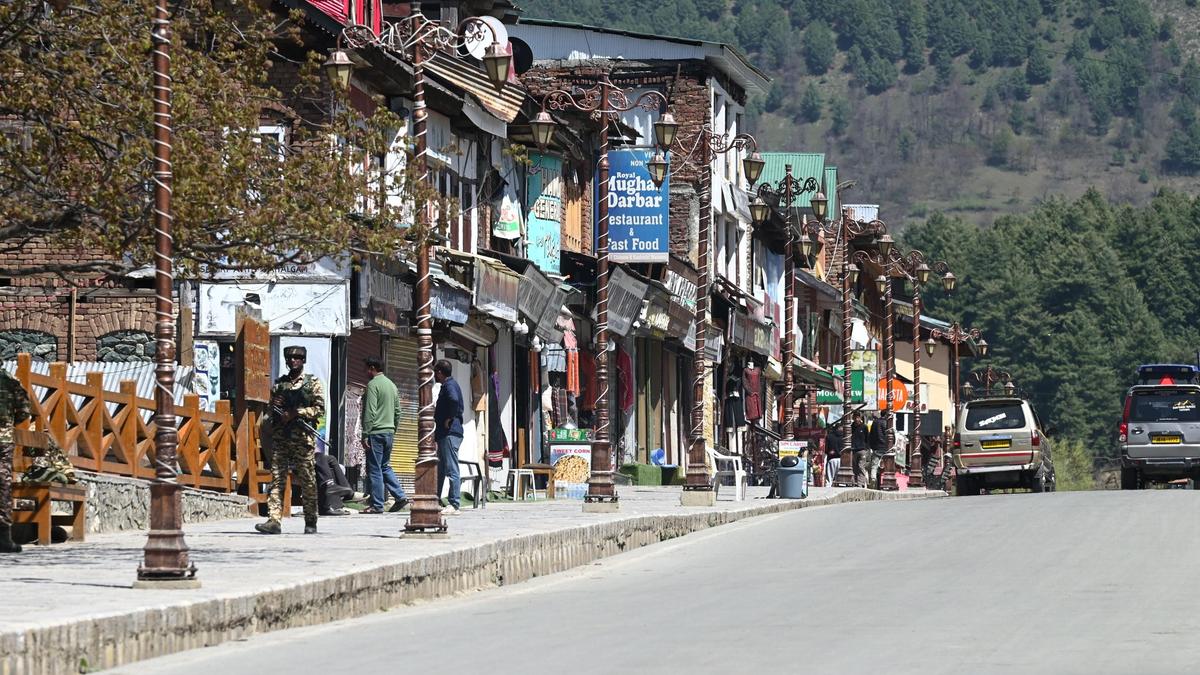
One year after a brutal terror attack shook the heart of Kashmir’s tourism sector, local livelihoods and public confidence struggle to find their footing.
The snow-capped Katsal Peak still pierces the azure sky over Anantnag, standing at 15,860 feet as a silent witness to the changing fortunes of the valley. From his wooden shop in the main market of Pahalgam, 67-year-old Ghulam Nabi watches the spring sun hit the heights, waiting for customers who aren’t coming. Nabi’s life is brewed in the steam of nun chai—the traditional pink tea he has served for decades—but lately, the silence of the market is far heavier than the toll of the tea kettle.
A landscape defined by memories
For years, the valley was synonymous with the glamour of Indian cinema. Nabi’s walls are a scrapbook of a different era; fading photographs of Dilip Kumar, Amitabh Bachchan, and Vinod Khanna serve as reminders of when the meadows here weren't just transit points for trekkers, but backdrops for blockbusters like Roti. Back then, the village of shepherds—the literal meaning of Pahalgam—was defined by the curiosity of locals watching stars, not the presence of security forces. That sense of normalcy fractured violently last April. When terrorists in khaki uniforms gunned down 26 unarmed men in the Baisaran meadow, they didn’t just target individuals; they struck at the foundation of the local economy.
The cost of a year under the shadow
Twelve months later, the scars remain deep. The Baisaran meadow and several other popular tourist destinations were shuttered following the attack, leaving shopkeepers and guides facing a grim, uncertain reality. While the NIA has formally named LeT founder Hafiz Saeed as an accused in the terror attack, and the Indian Army continues to tout the success of operations like "Operation Sindoor" to signal that no sanctuary is safe, the ground-level narrative is one of faltering resilience. Occupancy rates for hotels across Kashmir remain stagnant, struggling to cross the 50% mark, as the shadow of the incident keeps potential visitors away.
Why it matters
The situation in Pahalgam is a microcosm of the broader challenge facing conflict-prone tourism hubs. When a destination becomes a "terror map" coordinate, the recovery process is rarely just about restoring law and order; it is about rebuilding the intangible asset of psychological safety. The government’s security-first approach—bolstered by high-profile operations and NIA investigations—is designed to provide a "deterrence guarantee" to the outside world. However, the economic data suggests that tourists are currently weighing that guarantee against the lingering fear of instability. Until the local economy can pivot away from its absolute dependence on a "peace-time" narrative, the valley remains trapped between its cinematic past and a volatile, high-security present.
Kabir Sharma writes on culture, technology and everyday life for PoliticalPedia.