From JAI to VIJAY: How General Dhiraj Seth plans to reshape the Indian Army for future wars
New Army chief’s 'VIJAY' mantra: How India’s land force is preparing for future wars
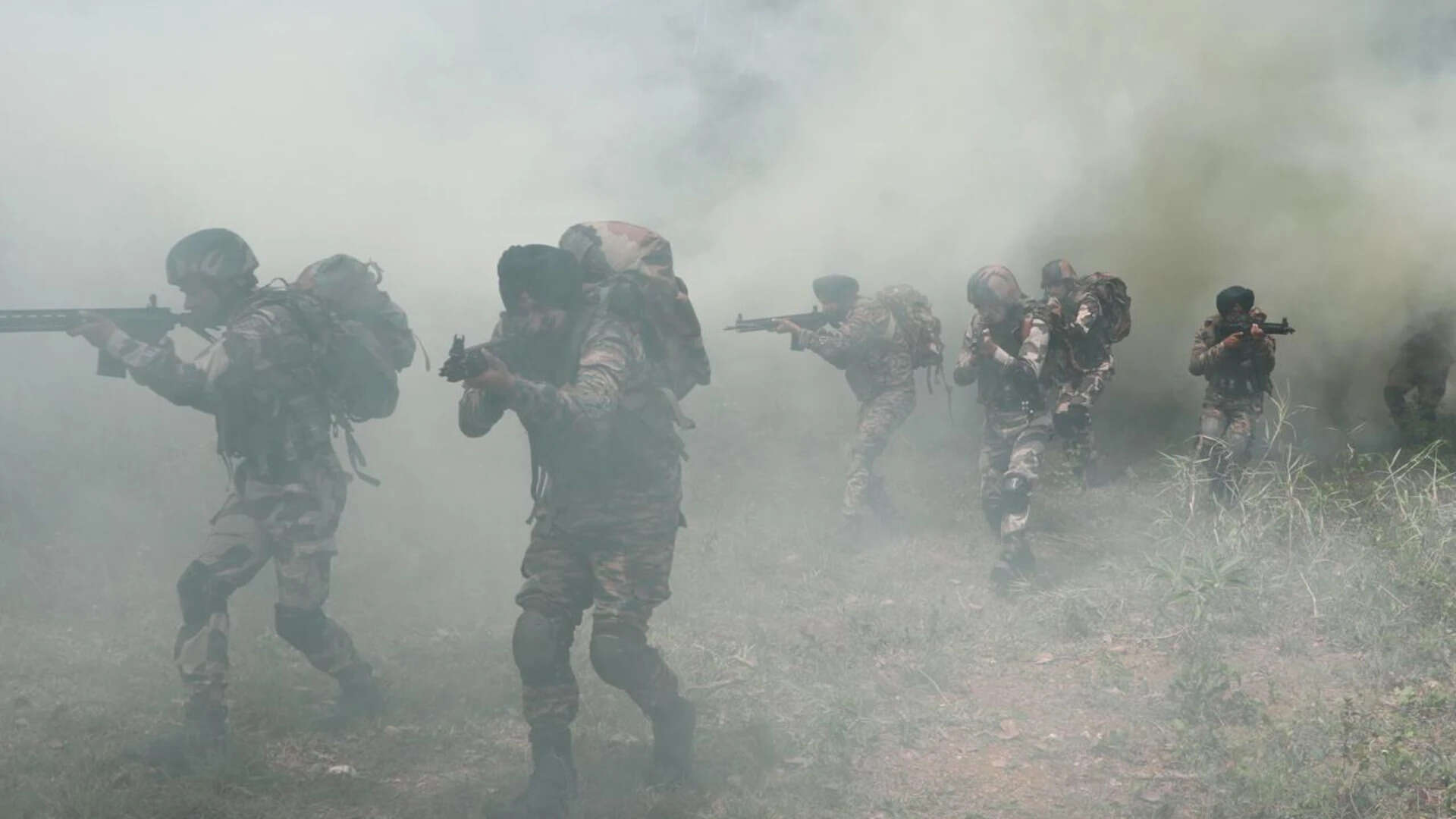
The 31st Chief of Army Staff has unveiled a strategic roadmap rooted in technological superiority and joint-force integration to navigate the modern battlefield.
The South Block lawns saw a symbolic transition this week as General Dhiraj Seth took charge as the 31st Chief of the Army Staff. An Armoured Corps veteran with nearly four decades of service, General Seth’s debut was marked not just by the ceremonial Guard of Honour, but by the announcement of a strategic framework he calls "VIJAY." In Hindi, the word means victory—a term historically linked to the 1961 liberation of Goa and the 1999 Kargil conflict—but under General Seth, it serves as an acronym for the next decade of military evolution.
The Pillars of the New Army
General Seth’s vision is explicitly designed to bridge the gap between legacy combat readiness and the demands of 21st-century warfare. The acronym breaks down into five critical focus areas: Vigilance (maintaining high operational alertness), Innovation (integrating new technology into doctrine), Jointness (deepening synergy with the Navy and Air Force), Atmanirbharta (achieving self-reliance in defence manufacturing), and Yodha First (prioritizing the soldier).
This roadmap acts as a direct operational extension of the Prime Minister’s "JAI" directive—Jointness, Atmanirbharta, and Innovation—first articulated at the Combined Commanders’ Conference. By aligning his tenure with these principles, the new army chief is signaling a clear intent to move beyond individual service silos. The objective is to foster a "Whole-of-Nation" approach that supports the broader goal of a Viksit Bharat by 2047, ensuring the land force is not just a protector, but a technology-enabled entity capable of operating across multiple domains.
A Decade of Transformation
The Indian army is currently deep into what military planners call the "Decade of Transformation," spanning 2023 to 2032. This timeline has been meticulously segmented: after years dedicated to initial transformation, technology absorption, and structural reforms, the current focus is squarely on networking and data-centricity.
While Integrated Battle Groups (IBGs) are already being operationalized, the most significant structural change—the implementation of Integrated Theatre Commands—remains the industry’s most watched development. Currently awaiting final approval from the Cabinet Committee on Security, these commands are intended to move the services away from independent operations toward a unified, theater-based fighting structure.
Why it matters
The shift toward "VIJAY" is a pragmatic acknowledgement that the character of war is changing. Modern threats are no longer confined to traditional borders; they are increasingly hybrid, digital, and multi-dimensional. By prioritizing indigenous solutions, the Army is attempting to insulate itself from global supply chain disruptions while simultaneously driving the domestic defence industry.
For the common citizen, this means the military is moving toward a leaner, more agile, and tech-heavy posture. The challenge for General Seth will be the balancing act: maintaining a high-tempo, battle-hardened force while pushing through the friction of deep-seated organizational reform. If successful, this "VIJAY" mantra could define the Indian military’s decisive edge in the decades to come, moving from a force that merely reacts to one that anticipates and controls the battlespace.
Ananya Iyer covers global affairs with an Indian lens for PoliticalPedia.