Shadow Boxing in the Gulf: Is Israel the Reason for the US-Iran Peace Deadlock?
US-Iran Peace Deadlock Explained: Is Israel The Reason & Is Bharat Ready For Direct War Impact?
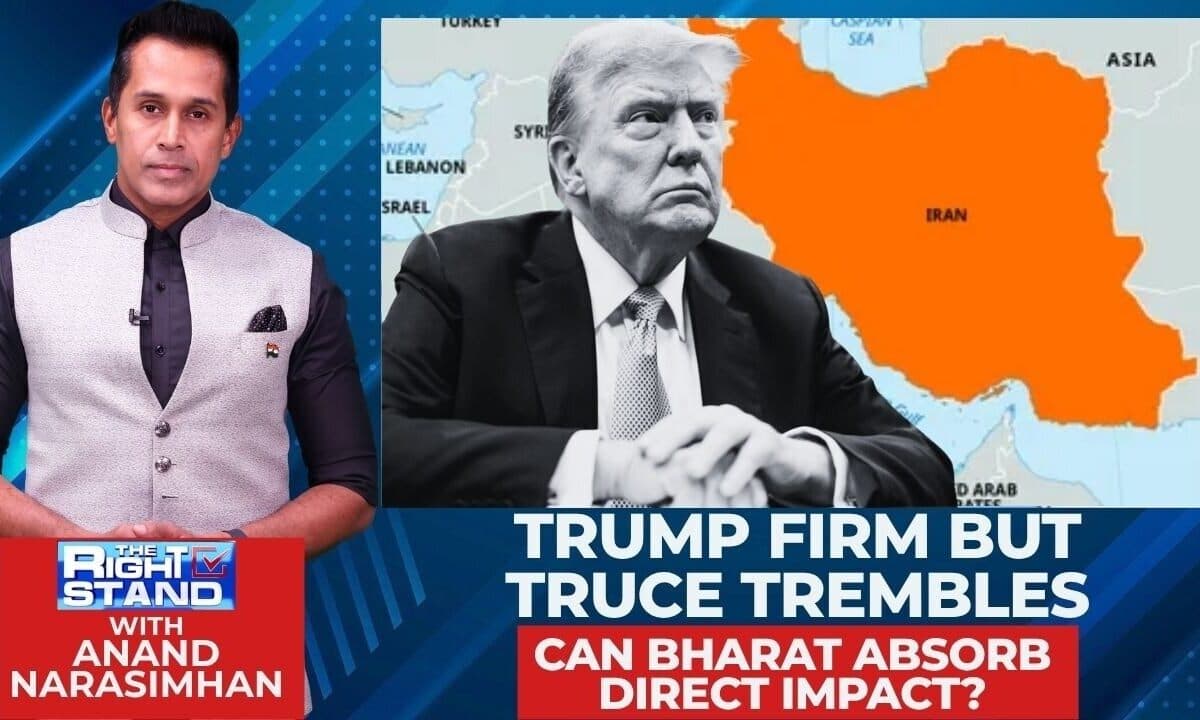
As geopolitical tensions simmer in the Middle East, India faces the dual challenge of navigating rising fuel costs and maintaining its strategic neutrality.
The diplomatic corridor between Washington and Tehran has effectively frozen, leaving global observers to wonder if the path to stability is permanently blocked. The core of the iran peace deadlock explained often points to one persistent variable: the shadow of Tel Aviv. With the regional security architecture shifting, the question of is israel the reason for this stalemate has moved from the fringes of policy papers to the center of global discourse. For India, the stakes are not merely academic; they are economic and immediate.
The Regional Calculus
The current standoff is defined by competing security guarantees. Tehran’s regional influence and Washington’s unwavering commitment to its allies have created a zero-sum environment where neither side feels empowered to blink first. Analysts tracking these developments often note that the influence of Israeli security priorities acts as a non-negotiable anchor in US policy, complicating any meaningful thaw in sanctions or nuclear negotiations. While the world tracks the results of diplomatic backchannels, the reality on the ground remains volatile.
Why it Matters: The Bharat Perspective
For New Delhi, the primary concern is the potential direct war impact on the domestic economy. India’s energy basket is heavily reliant on imports that pass through the volatile Hormuz corridor. A direct, large-scale escalation would trigger an immediate spike in crude oil prices, threatening the delicate balance of the Indian rupee and inflationary targets. We aren’t just watching a distant conflict; we are monitoring a potential shock to our energy security that could derail the current growth trajectory.
Preparedness and Strategic Autonomy
A common question echoing in policy circles is: is bharat ready for the fallout of a wider regional conflict? The answer lies in the government's dual-track approach. On one hand, there is a push to diversify energy sources, moving away from total dependence on the Gulf. On the other, the Ministry of External Affairs continues to balance its strategic partnerships with both the US and Iran. While India has mastered the art of "multi-alignment," a hot war would test the limits of this diplomacy, forcing a choice between economic pragmatism and strategic constraints.
Beyond the Headlines
As the news cycle shifts between the latest cricket matches—like the ongoing T20 series—and global crises, it is easy to lose sight of the long-term trends. Whether you are checking the score of a game or reading the latest news18 explainers on global trade, the underlying connectivity of our world is undeniable. From the movies we watch to the series we binge, the globalized economy is the backdrop of our daily lives. If the peace deadlock in the Middle East breaks, it will be because the cost of conflict eventually outweighed the benefits of posturing—a calculation that all major powers, including India, are currently watching with bated breath.
Politics Desk at PoliticalPedia covers parties & elections for an Indian audience in English and Hindi.