Seismic Alarm: Massive 8.2 Magnitude Quake Hits Philippines, Tsunami Fears Grip Region
फिलीपींस में 8.2 तीव्रता वाला तगड़ा भूकंप, सुनामी की वॉर्निंग जारी
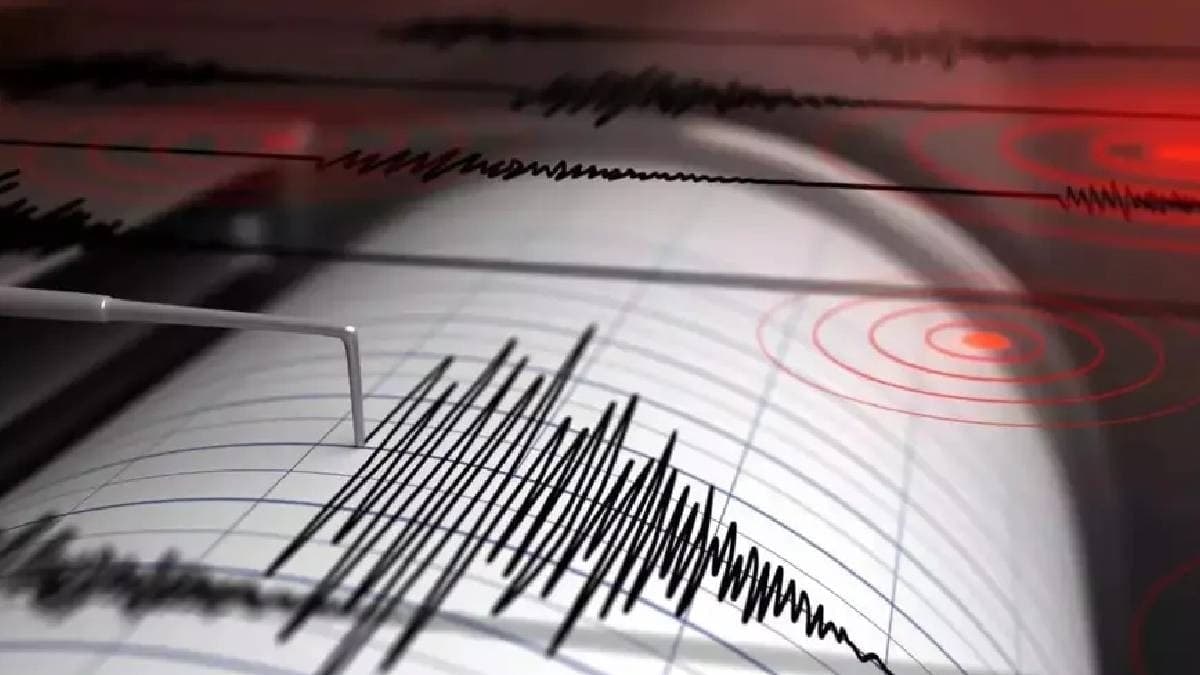
A powerful 8.2 magnitude earthquake struck Mindanao on Monday, triggering urgent tsunami warnings across the Philippines and Indonesia as coastal residents scramble for higher ground.
The quiet of a Monday morning in the Philippines was shattered by a massive 8.2 magnitude earthquake centered near Mindanao island. The sheer scale of the seismic activity has sent shockwaves through the region, prompting the U.S. Tsunami Warning System to issue an immediate alert. Authorities are warning of potentially hazardous waves that could crest over a meter high, threatening coastal settlements across the Philippines and parts of Indonesia.
For those living along the northeastern coasts of Indonesia, the directive from the local geophysics agency is clear: move to higher ground and stay away from the shoreline. Emergency response teams are currently on high alert, monitoring sea levels and bracing for the aftershocks that typically follow such high-intensity tremors. This event is not just a localized disaster; it is a significant regional emergency with the potential for widespread structural damage.
A Weekend of Tremors
This latest tragedy follows a weekend of tectonic unease across Asia. On Sunday, a 5.3 magnitude earthquake rattled a wide swathe of the continent, with its epicenter located in Bhutan. The tremors were felt across international borders, disturbing lives in parts of India—specifically across Assam and West Bengal—as well as in Nepal and China. While the Sunday quake was significantly lower in intensity compared to the Mindanao event, it served as a grim precursor to the current geological instability.
Why it Matters: The Ring of Fire Reality
The recurrence of these tremors underscores the volatile nature of the "Ring of Fire," the horseshoe-shaped belt around the Pacific Ocean where the majority of the world's earthquakes and volcanic eruptions occur. For nations like the Philippines and Indonesia, geography is a constant risk factor. When such large-scale events occur, the primary challenge for regional governments is the speed of communication—ensuring that evacuation orders reach rural coastal communities before the waves do.
Beyond the immediate crisis, this serves as a reminder for emergency preparedness in the Indian subcontinent. As we monitor the reports coming in via multiple outlets, from AajTak to international primary sources, the focus remains on the humanitarian response. The ability of the Philippines and Indonesia to manage this crisis will be watched closely by disaster management agencies globally, as they refine protocols for handling compound disasters where a massive quake is immediately followed by a tsunami threat.
For now, the priority remains the safety of the residents in the path of the potential waves. With the threat of aftershocks looming, the next 48 hours are critical for the survival and stabilization of the affected provinces.
World Desk at PoliticalPedia covers global affairs for an Indian audience in English and Hindi.