Russian Drone Strike Hits Spent Nuclear Fuel Storage Facility Near Chornobyl
Russian drone hit nuclear-fuel storage facility near Chornobyl, says Ukraine
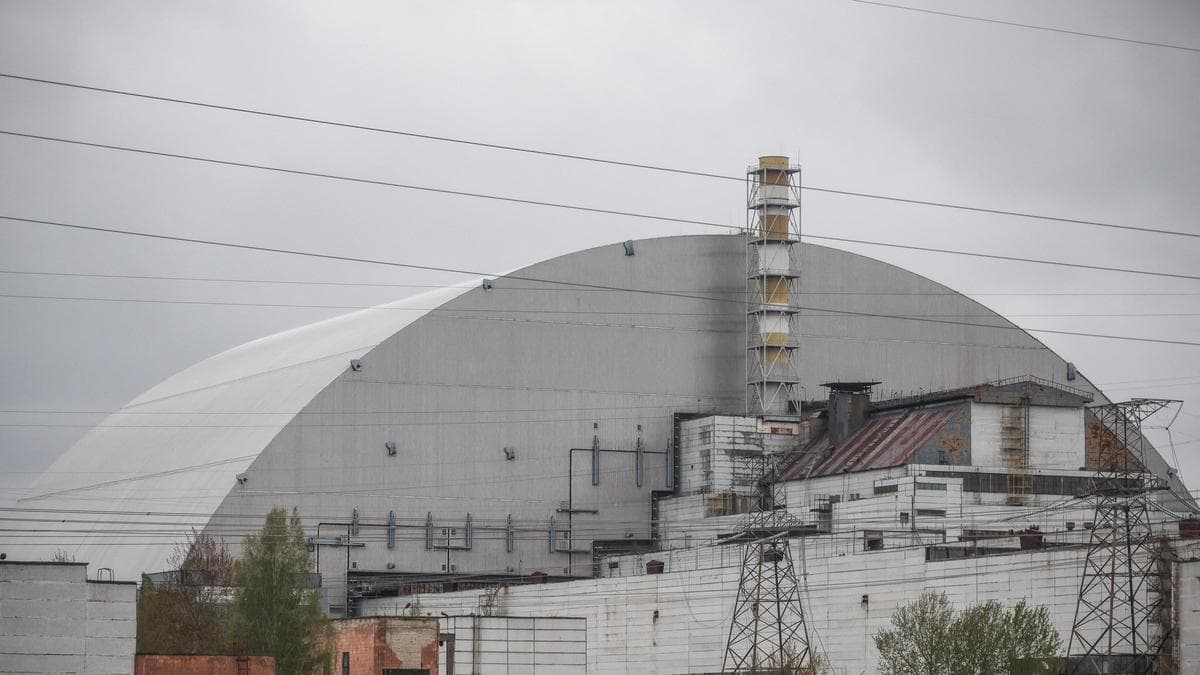
Ukrainian officials report a partial facility destruction following a drone strike near the infamous nuclear site, though radiation levels remain stable.
The spectre of nuclear catastrophe has once again loomed over Ukraine after a Russian drone struck a spent nuclear fuel storage facility located approximately 15 kilometres from the Chornobyl nuclear power plant. The incident, reported by Ukrainian officials on Sunday, June 7, 2026, saw a container-receiving building partially destroyed, sparking a fire that local emergency services were able to extinguish. While the physical damage to the infrastructure is confirmed, authorities have maintained that no spent fuel was present within the specific structure at the time of the impact, and current radiation levels at the site remain within stable parameters.
Escalating Risks in a War-Torn Zone
This latest strike marks a worrying trend of hostilities encroaching upon sensitive nuclear infrastructure. Ukrainian Foreign Minister Andrii Sybiha condemned the attack, describing the incident as part of a systemic and deliberate pattern of "nuclear blackmail" by Russian forces. The proximity of the strike to the site of the 1986 disaster—the world’s worst nuclear accident—has reignited international concerns regarding the safety of Ukraine's nuclear sites during the ongoing conflict.
The facility in question, designed for the long-term management of radioactive materials, has become a flashpoint in the broader regional struggle. While Russia has yet to issue a public statement regarding the June 7 attack, the incident follows a history of similar close calls. Notably, in February 2025, a Russian drone caused damage to the containment arch designed to shield the ruins of the original reactor, an event that led to significant recovery and repair efforts costing approximately €31 million.
A Pattern of Strategic Vulnerability
The Chornobyl exclusion zone has frequently found itself caught in the crossfire since the invasion began. Over the course of the conflict, the plant has faced power instability, including instances where it was briefly disconnected from external power sources due to nearby strikes. These events underscore the difficulty of maintaining safety protocols in a landscape where military activity regularly threatens delicate, aging, and high-risk nuclear installations.
Beyond the Chornobyl zone, the conflict has seen both Kyiv and Moscow trade persistent accusations regarding the security of the Zaporizhzhia Nuclear Power Plant in southeastern Ukraine. As the largest nuclear installation in Europe, its ongoing occupation and the surrounding military activity remain a focal point of global concern. For now, the latest strike near Chornobyl serves as a stark reminder of the fragile state of nuclear safety in a war-torn country, where the legacy of past disasters is now haunted by the realities of modern drone warfare.
The PoliticalPedia Editorial Desk brings verified, sourced political news and analysis from across India.