Riyadh’s Gamble: Deepest Crude Price Cut in 26 Years Offers India A Much-Needed Fiscal Breather
Saudi Arabia effects deepest crude price cut in 26 years
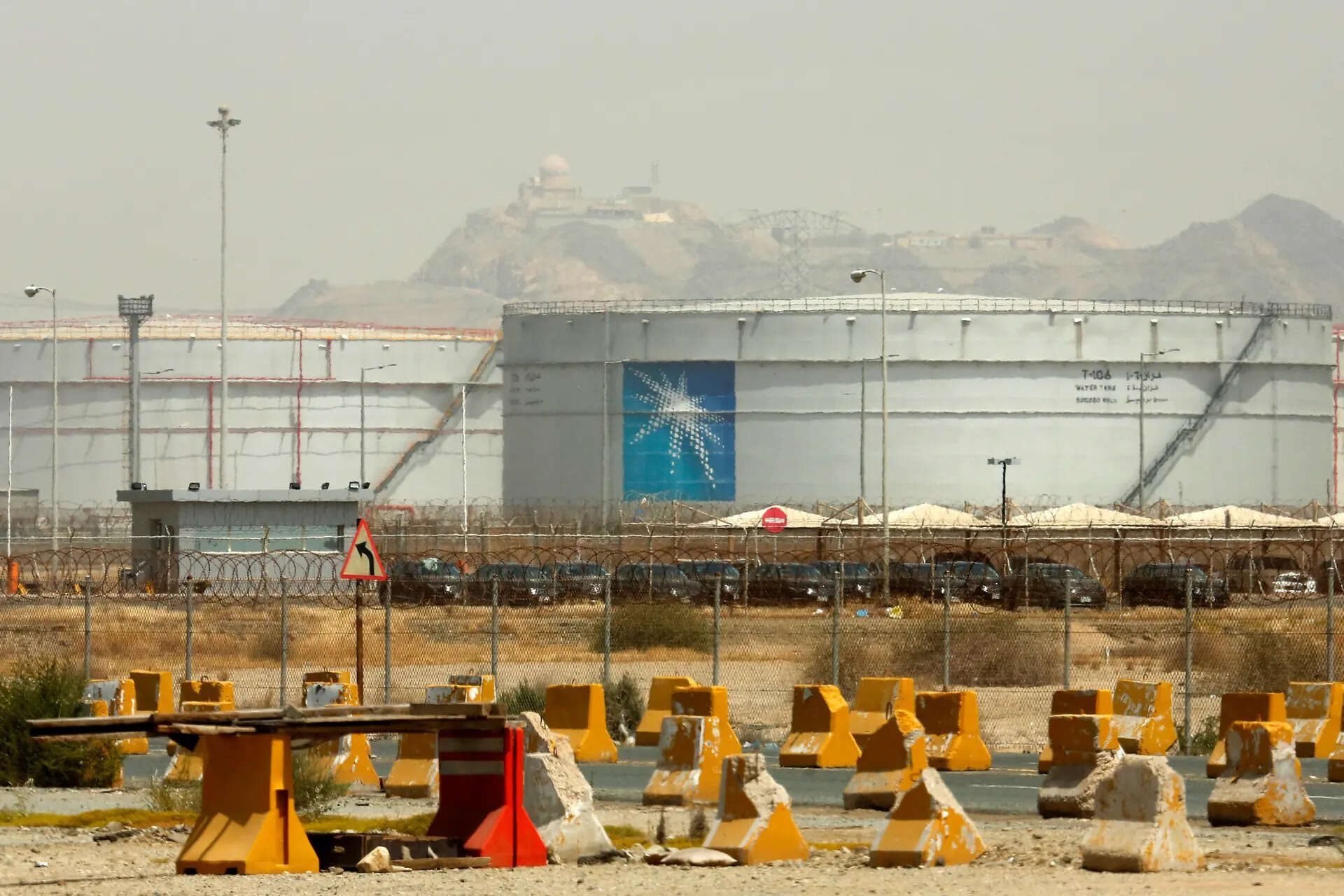
As Saudi Arabia slashes export prices to reclaim market share, India’s oil marketing companies look to plug mounting losses amid a cooling global energy market.
The oil markets are witnessing a tectonic shift that hasn't been felt in over a quarter of a century. Saudi Arabia, moving to defend its turf in a rapidly normalizing global supply chain, has slashed crude prices by a staggering $11 per barrel for August shipments. This follows a $6 reduction just a month prior, effectively dragging oil prices back to levels last seen before the February 28 market volatility. As tankers finally clear the Strait of Hormuz and producers like the UAE—now operating outside the OPEC fold—ramp up production, the era of pandemic-era scarcity is being replaced by a fierce battle for the Asian market.
The Asian Pivot
For Indian refiners, this price correction is a long-overdue reprieve. With Brent crude futures dipping below $72, the landing cost for Arab Light crude—now priced at a $1.50 discount to the Oman/Dubai average—is finally providing relief to balance sheets that have been bleeding for months. Domestic oil marketing companies (OMCs) have been forced to sell petrol and diesel well below market parity, while the subsidy burden for cooking gas has ballooned. The Centre, which has already absorbed a tax-cut hit exceeding Rs 1.2 lakh crore, is now bracing for an LPG subsidy bill that is projected to triple the original budget estimates.
However, the relief is not immediate. OMCs remain in a bind, struggling with inventory costs from high-priced crude purchased during the peak of the crisis. While the current price dip is a significant development, the impact on the September quarter remains uncertain, leaving companies cautious about when they can fully recoup their margins.
Why it matters
The bigger picture here is about more than just the price at the pump; it is about the stability of the Indian macro-economy. For India Inc., lower energy costs are the primary lever to keep runaway inflation in check. The fear among manufacturers had been that persistent high retail prices would force consumers to cut back on everything except the absolute essentials, stifling a fragile post-crisis recovery.
By stabilizing input costs, this price war between major Persian Gulf producers acts as a natural buffer for the Indian economy. Yet, it underscores a precarious reliance on global supply dynamics. The recent OPEC+ decision to incrementally increase output by 188,000 barrels per day signals that producers are finally prioritizing market share over price manipulation. For New Delhi, the focus now shifts to whether this trend can be sustained, or if the geopolitical friction in the Gulf—marked by the UAE’s exit from OPEC and regional rivalries—will once again disrupt the flow.
Ananya Iyer covers global affairs with an Indian lens for PoliticalPedia.