Rising Waters: Nashik and Beyond on Edge as Monsoon Fury Hits Heartlands
Monsoon Update: Heavy Rains Batter India, Godavari and Narmada Overflow
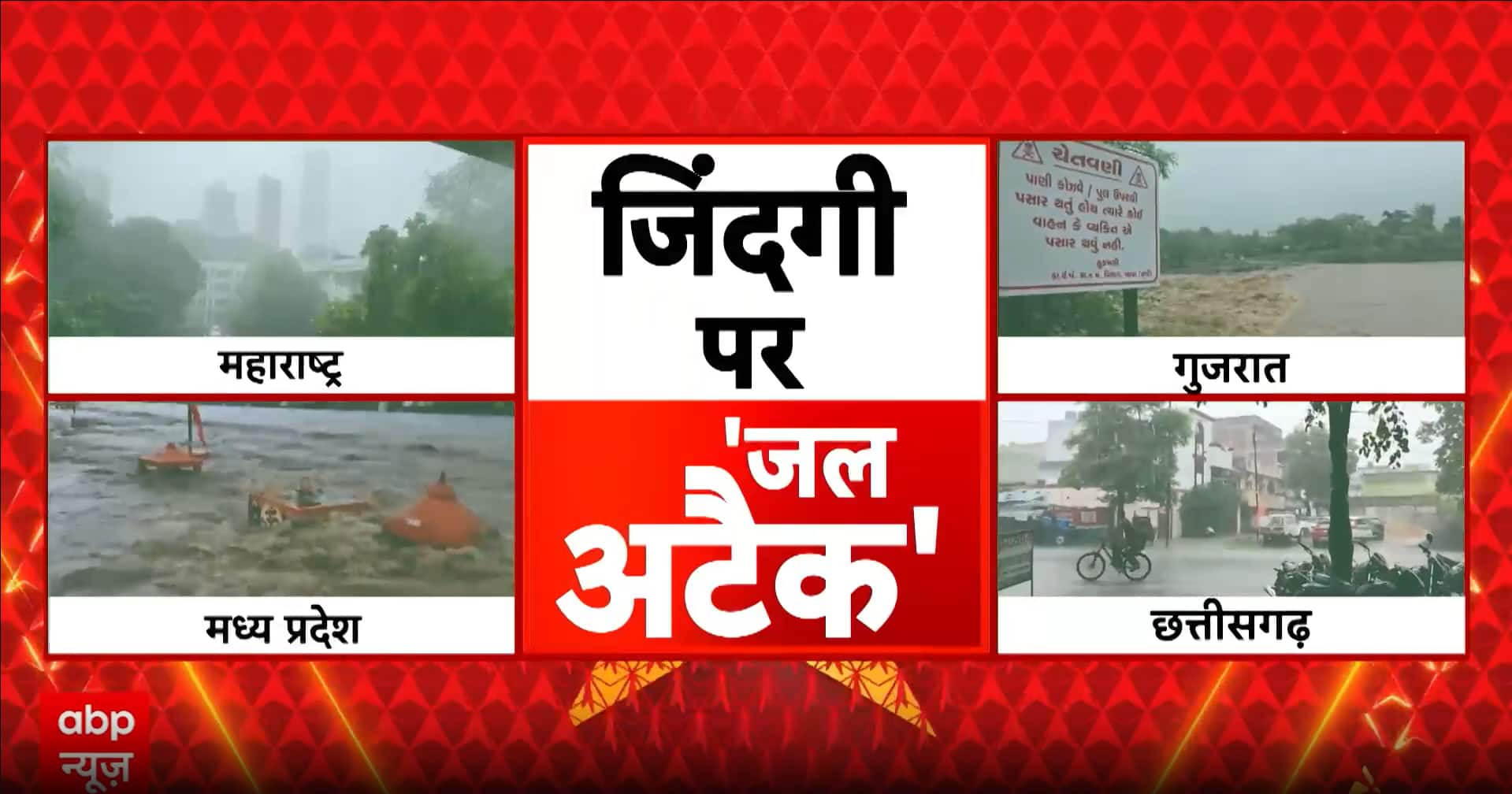
As relentless downpours trigger a red alert in Nashik and submerge infrastructure across central India, disaster response teams are racing against the clock.
The ghats of the Godavari are disappearing under a churning brown tide, a stark visual of the monsoon’s current ferocity. From the ancient temples of Nashik to the submerged bridges of Dindori in Madhya Pradesh, heavy rains batter India, forcing authorities into a state of high alert. The India Meteorological Department (IMD) has sounded a red alert for the Nashik-Trimbakeshwar belt, warning of a potential cloudburst that could dump a staggering 300 mm of water in just 24 hours.
A Landscape Under Siege
The situation remains critical across a wide swath of the country. In Maharashtra, the Godavari is in a state of dangerous overflow, swallowing temple complexes and prompting the closure of pilgrimage sites like Trimbashwar and Saptashrungi. Gujarat, Chhattisgarh, and Madhya Pradesh are facing a similar onslaught. In Dindori, the Narmada overflow has turned vital transport links into death traps, with local bridges and roads completely washed out. Despite repeated warnings from local administration, some residents are still risking their lives to cross these treacherous, swollen currents.
The impact of this weather pattern extends beyond rural landscapes into urban centers. In Pune, the fragility of older infrastructure was laid bare when a two-storey building collapsed under the sheer pressure of the deluge. Fortunately, the fire department’s rapid response ensured an evacuation that prevented a major tragedy, but the incident highlights the mounting risks for city dwellers during these intense weather spells.
Why it Matters: The Bigger Picture
This isn’t just a seasonal hiccup; it is a recurring stress test for India’s infrastructure. The pattern of concentrated, extreme rainfall—where a month’s worth of rain falls in a single day—is becoming the new normal for our southwest monsoon. When rivers like the Godavari and Narmada overflow with such suddenness, it exposes the lack of resilience in our flood-management systems and the dangers posed by urban densification in low-lying areas. The economic and social cost of these disruptions, from shuttered schools to isolated rural outposts, is climbing every year, necessitating a shift from reactive rescue missions to long-term climate-resilient urban planning.
Emergency Response in Motion
For now, the focus remains on the immediate ground reality. Rescue teams are stationed along riverbanks, and administrative machinery is working at full capacity to mitigate the threat of further casualties. With the IMD predicting that these heavy rains will continue to lash the affected states in the coming days, the precautionary measures—closing educational institutions and restricting movement—are likely to remain in place. Citizens are being urged to avoid riverbeds and stay updated on local weather advisories as the monsoon remains stubbornly active.
Ananya Iyer covers global affairs with an Indian lens for PoliticalPedia.