Monsoon Paralysis: Mumbai Braces for More as Rain Fury Batters Maharashtra
Weather Today Live: Mumbai Rain Fury Continues For 3rd Day, Emergency Teams Deployed Across City
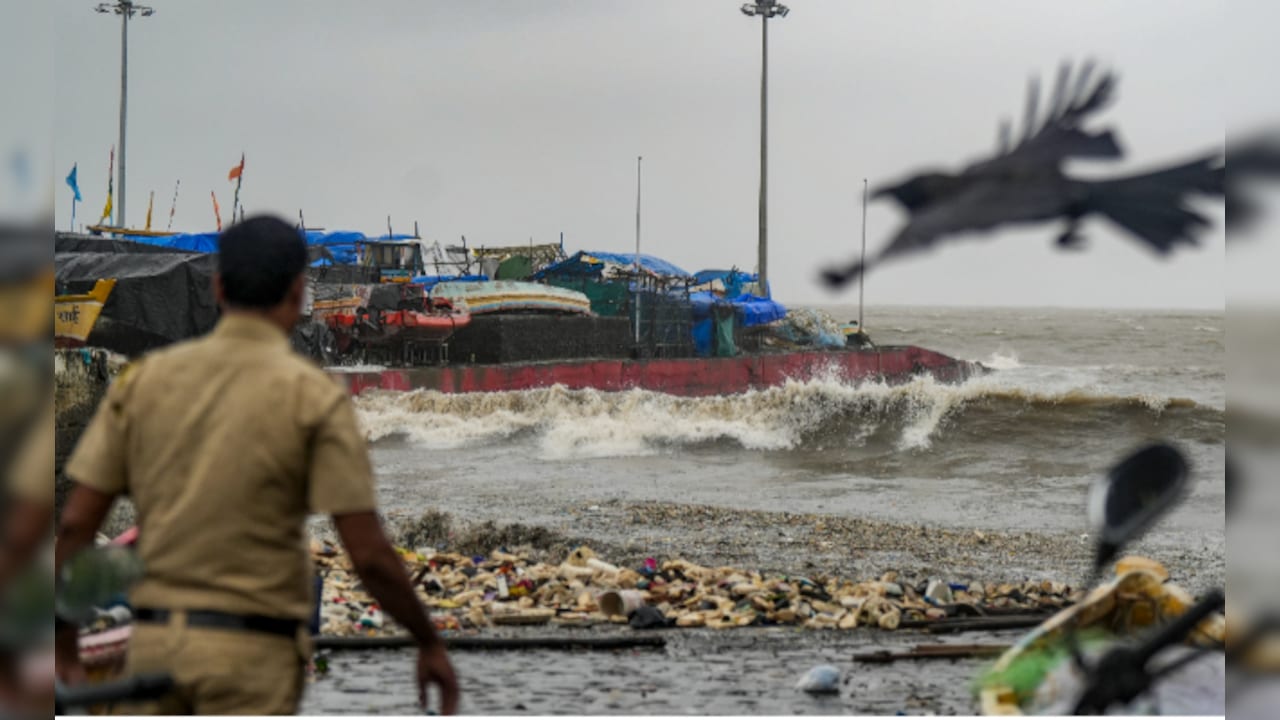
As record-breaking downpours cripple the financial capital, emergency teams are stretched thin across a state reeling from back-to-back weather disasters.
The streets of Mumbai have turned into virtual canals for the third consecutive day. With a staggering 380mm of rainfall recorded, the city’s drainage systems are once again struggling to cope with the relentless deluge. Commuters are wading through waist-deep water, gale-force winds are lashing against high-rises, and the Brihanmumbai Municipal Corporation (BMC) has sounded a high-alert status as they prepare for a special emergency meeting on July 9.
The crisis is not confined to the coast. Across Maharashtra, the weather today live updates paint a grim picture of monsoon fury. While Mumbai fights the tide, the state government has been forced to shift focus to the interior, where landslides have claimed at least four lives in Pune. The impact is so severe that it has reached the legislative floor; the Maharashtra Assembly was adjourned for the day as lawmakers grappled with the unfolding catastrophe. Chief Minister Devendra Fadnavis has urged residents to remain indoors, confirming that emergency teams are deployed across the city to manage the infrastructure breakdown.
The Regional Toll
The chaos in Maharashtra coincides with broader climate-related disruptions across the country. Further north, the Yamunotri yatra has only partially resumed as search operations continue for pilgrims missing in the wake of recent landslides. These incidents underscore a recurring pattern: as the monsoon intensifies, the vulnerability of both urban infrastructure and pilgrimage routes in hilly terrains is being tested to the breaking point.
Why it matters
The frequency of these extreme weather events is no longer an outlier; it is becoming the new baseline for Indian governance. When a city like Mumbai—the country’s economic engine—comes to a standstill for three days straight, the cost isn't just measured in emergency relief operations, but in massive economic productivity loss and the long-term strain on public infrastructure. The current "alert mode" response by the state is a necessary stopgap, but the bigger picture suggests that current urban planning and disaster management frameworks are struggling to keep pace with the increasing volatility of the Indian monsoon. Policy-makers are now facing mounting pressure to move beyond reactive measures and toward structural climate-resilience planning.
For those tracking the situation, authorities are urging citizens to monitor official bulletins rather than relying on unverified social media updates, as emergency services prioritize critical rescue missions. With the red alert still in force, the next 24 hours will be the ultimate test for the city’s disaster response mechanisms.
Arjun Mehta reports on government, policy and Parliament for PoliticalPedia, in English and Hindi.