Rawalakot’s Defiance: Why Protesters Say ‘PoK Is Not Part Of Pakistan’
"PoK Not Part Of Pakistan": Protesters Warn Islamabad Of Reaching Out To India
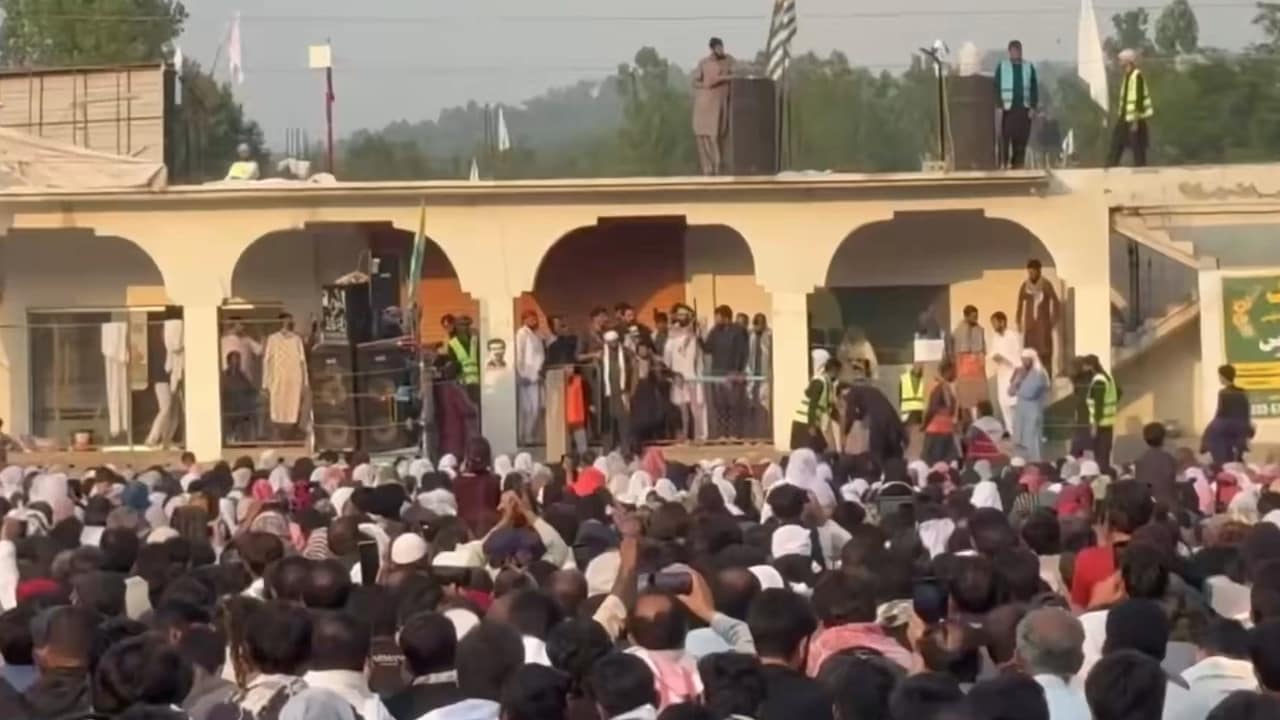
As demonstrations enter their fourth week, residents in Pakistan-occupied Kashmir are openly challenging Islamabad’s authority and signaling a shift toward India.
The Eidgah Ground in Rawalakot has become the epicenter of a tectonic shift. For 22 days, the air here has been thick with more than just the rhetoric of dissent; it is filled with a collective demand for autonomy that few expected to see manifest so brazenly. Thousands have gathered, braving what they describe as state repression and administrative neglect, to declare that the region they inhabit is not a subservient part of Pakistan.
The grievances driving these crowds are rooted in the harsh realities of daily survival. Inflation has decimated household budgets, and the lack of basic governance has left the youth feeling abandoned by the establishment in Islamabad. For the people on the ground, the choice to protest—and the subsequent warning that they might seek stronger engagement with India—is a calculated response to years of economic hardship and systemic exclusion.
A Blackout on Dissent
Authorities have responded to this rising tide of anger with a familiar playbook. Since June 5, the region has been subjected to a near-total internet blackout. By severing digital connectivity, the administration is clearly aiming to isolate the protesters, limit the reach of their message, and prevent the world from seeing the scale of the unrest. Yet, the persistence of the crowds suggests that physical presence has become a more potent tool than any digital campaign.
The protests have seen a diverse coalition of voices, with the youngest generation leading from the front lines. This isn't just a spontaneous outburst; it is a sustained, organized challenge that has forced a conversation about the very legitimacy of Islamabad’s control over the region. While the Pakistani government navigates its own internal turbulence—highlighted by recent legal developments involving high-profile political figures like Bushra Bibi—the situation on the ground in Rawalakot remains a volatile outlier.
Why it Matters
The significance of these protests lies in the explicit nature of the rhetoric. When demonstrators declare that "PoK is not part of" the Pakistani state, they are moving beyond local administrative complaints and touching upon the core of the geopolitical status quo. This is a rare, vocal pivot that complicates the regional narrative for Islamabad.
From a desk perspective, this unrest represents a critical juncture. The combination of economic desperation and a complete breakdown of trust between the populace and the central government usually signals a long-term erosion of authority. Whether these protests lead to genuine policy shifts or are met with further crackdowns, the message is clear: the status quo is no longer tenable for the people living under it. The "reaching out to India" sentiment is perhaps the most pointed warning yet, signaling that the residents are looking for alternatives that promise stability, even if only in theoretical terms.
Kabir Sharma writes on culture, technology and everyday life for PoliticalPedia.