Rapid Approval at Delhi Airport: How the Cockroach Janata Party Secured Its Jantar Mantar Protest
CJP founder applied for permission at Delhi airport, got it within minutes
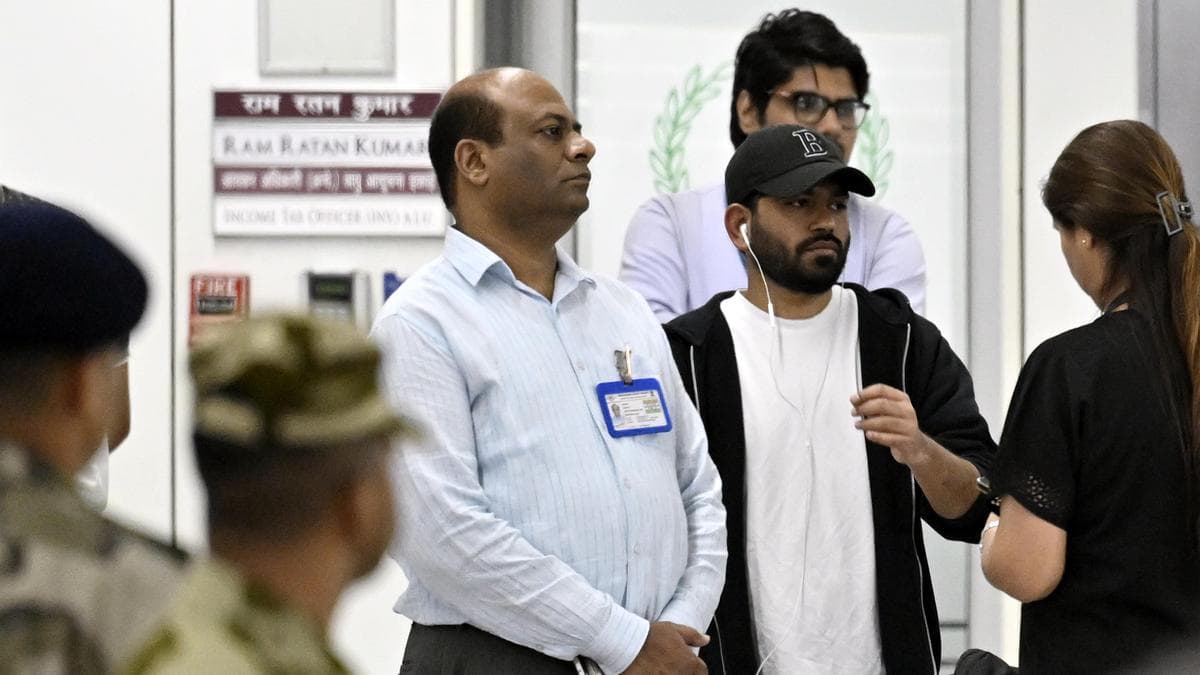
In a swift tactical move to mitigate youth unrest over examination irregularities, authorities granted the CJP protest permission directly at the IGI airport.
The national capital witnessed a unique turn of events on the morning of June 6, 2026, as the Cockroach Janata Party (CJP) successfully navigated the bureaucratic hurdles for their planned demonstration. While the party’s legal team had been prepared to file formal applications at the Parliament Street police station, the process concluded unexpectedly at the Delhi airport. Upon landing from the United States, CJP founder Abhijeet Dipke was escorted to a private room where police officials facilitated an immediate application and granted the necessary permissions within minutes of his signature.
Strategic De-escalation
Government sources suggest that the rapid approval was a calculated decision to prevent potential volatility. With growing anxiety among youth regarding the NEET-UG paper leak and broader concerns over examination integrity, authorities feared that a denial of permission could have mirrored the intensity of recent civil unrest witnessed in neighbouring countries. By formalising the gathering at Jantar Mantar, the police sought to contain the agitation within a designated space rather than risking a confrontational standoff at the airport or police headquarters.
The decision to avoid a hardline approach appears rooted in a desire to manage "Gen Z" frustration. A police official, speaking on condition of anonymity, noted that preventing the protest might have inadvertently fuelled the anger of a digitally-mobilised demographic. By 9:02 a.m., CJP spokesperson Saurav Das confirmed via social media that the party had secured the green light, explicitly instructing supporters to bypass Parliament Street and assemble directly at Jantar Mantar.
High-Profile Presence and Security
The demonstration saw the notable participation of climate activist Sonam Wangchuk, who arrived from Leh to stand in solidarity with the students. Despite his previous detention under the National Security Act following unrest in Leh in 2025, Wangchuk faced no obstruction from security agencies during his transit. His presence, combined with the arrival of Dipke, brought significant public attention to the event, which was managed under the watch of a dedicated mobile command and control centre.
The situation in Delhi had been tense for days leading up to the June 6 rally, with reports of heightened security at borders and key transport hubs. Earlier in the week, the party had engaged in a series of communications, with Dipke advising his followers to avoid gathering at the airport to prevent logistical chaos. This orchestrated approach—moving from a potential confrontation to an authorised, peaceful assembly—reflects the shifting landscape of youth-led political expression in India, where the threat of social media-driven mass mobilisation often forces a re-evaluation of traditional crowd control strategies.
The PoliticalPedia Editorial Desk brings verified, sourced political news and analysis from across India.