Rajya Sabha Standoff: Congress May Shift MLAs as BJP Fields 3rd Candidate for RS Polls
MP: Congress May Shift MLAs As BJP Fields 3rd Candidate For RS Polls
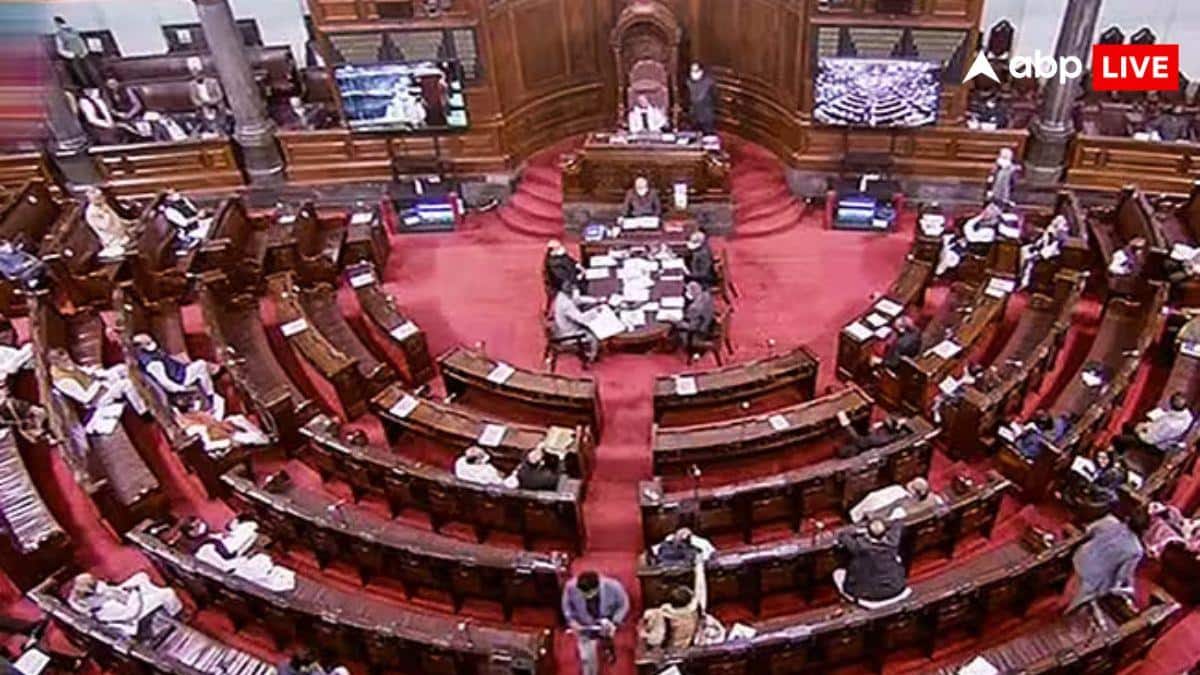
The Grand Old Party is bracing for a potential floor-crossing crisis in Madhya Pradesh, weighing a move to "safe" states to guard its numbers.
The Bhopal political circuit is humming with a familiar sense of anxiety. Just days before the June 18 Rajya Sabha polls, the Congress is scrambling to insulate its legislative flock, considering a plan to relocate its MLAs to a party-ruled state—likely Karnataka. This move, discussed during a late-night strategy session at the residence of Leader of Opposition Umang Singhar, comes as a direct response to the Bharatiya Janata Party’s surprise tactical maneuver: fielding Mahesh Kewat as its third candidate for the Upper House.
For the Congress, the math is delicate. With an effective assembly strength of 229, a candidate needs 58 first-preference votes to secure a seat. While the BJP comfortably commands 164 MLAs—enough to guarantee wins for its first two nominees, Tarun Chugh and Rajneesh Agrawal—the introduction of a third candidate like Kewat, the chairman of the MP Fishermen Welfare Board, has injected a volatile variable into the race. The Congress has officially nominated former MP Meenakshi Natarajan, but the shadow of "horse-trading" fears, seen recently in other states, has prompted the party’s central leadership to push for precautionary sequestering.
Keeping the Flock Together
The strategy session saw roughly 60 MLAs in attendance, with veteran leader Kamal Nath participating via a video link. The message from the high command is clear: avoid any slip-ups that could lead to cross-voting. While the party remains publicly confident in Natarajan’s prospects, the internal mood is one of extreme caution. The BJP, meanwhile, kept its cards close to its chest for days, deliberating with its central leadership before unveiling Kewat on the final day of nominations, effectively turning a predictable election into a high-stakes contest of numbers.
The reliance on moving MLAs—a tactic often jokingly dubbed "resort politics"—signals how fragile party discipline has become in the heat of electoral competition. For the Congress, the objective is to prevent the kind of poaching that has rattled its units in other regions. By potentially shifting legislators to a state like Karnataka or Telangana, the party hopes to keep its members insulated from the reach of political challengers until the ballots are cast.
Why it Matters: The Bigger Picture
This scramble reflects a deeper trend in Indian politics where the Rajya Sabha, intended to be a house of elder statesmanship, has increasingly become a battleground for raw legislative strength and internal party consolidation. When a ruling party decides to force a contest for a third seat despite lacking the surplus numbers for a clean win, it isn't just about the candidate; it is a signal of intent to probe the cracks in the opposition’s wall.
The pattern is clear: in an era of thin margins and intense polarization, the nomination phase is no longer a formality. It is a tactical opening move. For the Congress, the challenge isn't just winning the seat for Natarajan—it is proving that their legislative unit can remain impervious to external pressure. If they fail to keep their members together, the fallout would be more than just a lost seat; it would be a damaging blow to the party’s morale and its ability to hold its own against a dominant BJP in state assemblies.
Ananya Iyer covers global affairs with an Indian lens for PoliticalPedia.