Rajya Sabha Elections 2026: Mallikarjun Kharge, Tarun Chugh Among 22 MPs Elected Unopposed
Rajya Sabha Elections 2026 Winners: Mallikarjun Kharge, Tarun Chugh Among 22 MPs Elected Unopposed
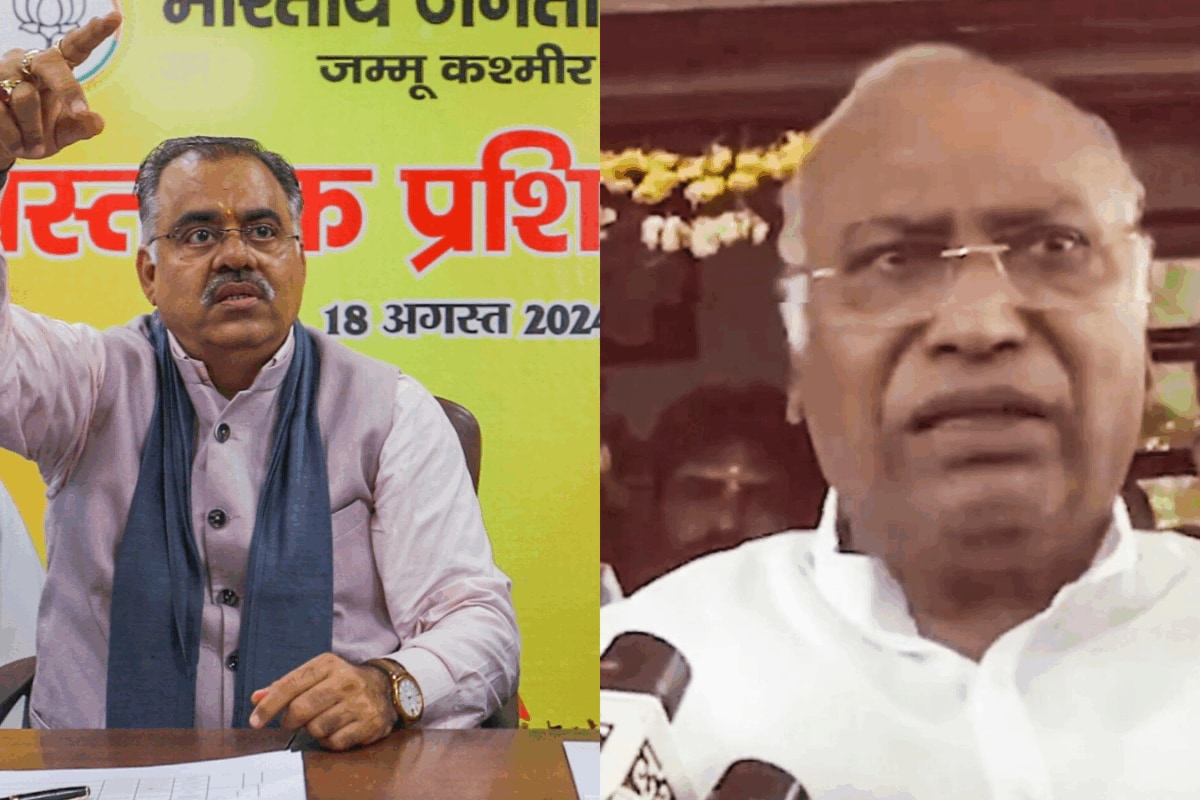
The curtains have closed on the June 18 polling schedule for 22 seats across nine states, as a wave of unopposed victories reshapes the Upper House dynamics.
The corridors of power in Delhi witnessed a quiet transition this week. With nomination papers scrutinized and withdrawal windows snapped shut, 22 candidates have officially secured their berths in the Rajya Sabha without the need for a single vote to be cast. The math was straightforward: where the number of valid nominees matched the available vacancies, the contest effectively ended before it could even begin.
High-profile political heavyweights headline this list of winners. Congress president Mallikarjun Kharge is set to return to the Upper House, representing Karnataka alongside party colleagues Pawan Khera and Mansoor Ali Khan. The BJP, meanwhile, maintains its steady presence in the state with N. Ravikumar. Across the country, the trend of non-contested wins was widespread, marking a significant consolidation of seat shares in key states.
The Regional Tally
In Gujarat, the BJP executed a clean sweep, securing all four available seats. The list of winners—Parshottam Rupala, Mayank Nayak, Kirit Solanki, and Rajni Patel—ensures the party retains a firm grip on the state’s representation. Similarly, in Andhra Pradesh, the NDA alliance swept all four seats, with candidates from the TDP and JSP, including Sana Satish Babu, Bhashyam Ramakrishna, Vijay Chintakayala, and Lingamaneni Ramesh, moving to the Upper House unopposed.
In Madhya Pradesh, the result was decided by administrative procedure rather than a ballot. The Returning Officer’s decision to reject the nomination of Congress candidate ಮೀನಾಕ್ಷಿ ನಟರಾಜನ್ paved the way for the BJP to claim all three seats in the state without a contest. Meanwhile, Rajasthan saw a more balanced outcome, with BJP’s Satish Poonia and Alka Gurjar joining Congress’s Neeraj Dangi in a peaceful seat-sharing arrangement.
Why it matters
This trend of unopposed elections points to a growing predictability in the Upper House composition. When the seat math aligns perfectly with party strengths in state assemblies, the "elections" often function as a formalization of pre-existing power dynamics rather than a contest of choice. For the BJP and the Congress alike, these results suggest a focus on securing veteran leadership and stabilizing party strategy before upcoming legislative sessions. By avoiding floor fights, parties have not only saved resources but also signaled a temporary pause in the aggressive cross-voting maneuvers that had previously cast a shadow over these polls in states like Jharkhand.
The return of stalwarts like Kharge and the induction of strategic leaders indicate that both the ruling NDA and the opposition are prioritizing experience as they brace for the legislative challenges of the 2026 session. With the Rajya Sabha set to welcome these 22 new members, the focus now shifts to the floor of the House, where the real debate on the country's economic and social policy will resume.
Rohan Gupta covers the economy, markets and companies for PoliticalPedia.