Rain Fury Across India: Infrastructure Strained as Red Alerts Cascade
Weather Today LIVE: Heavy Rain Grounds Flights, Triggers Flood Alerts Across India
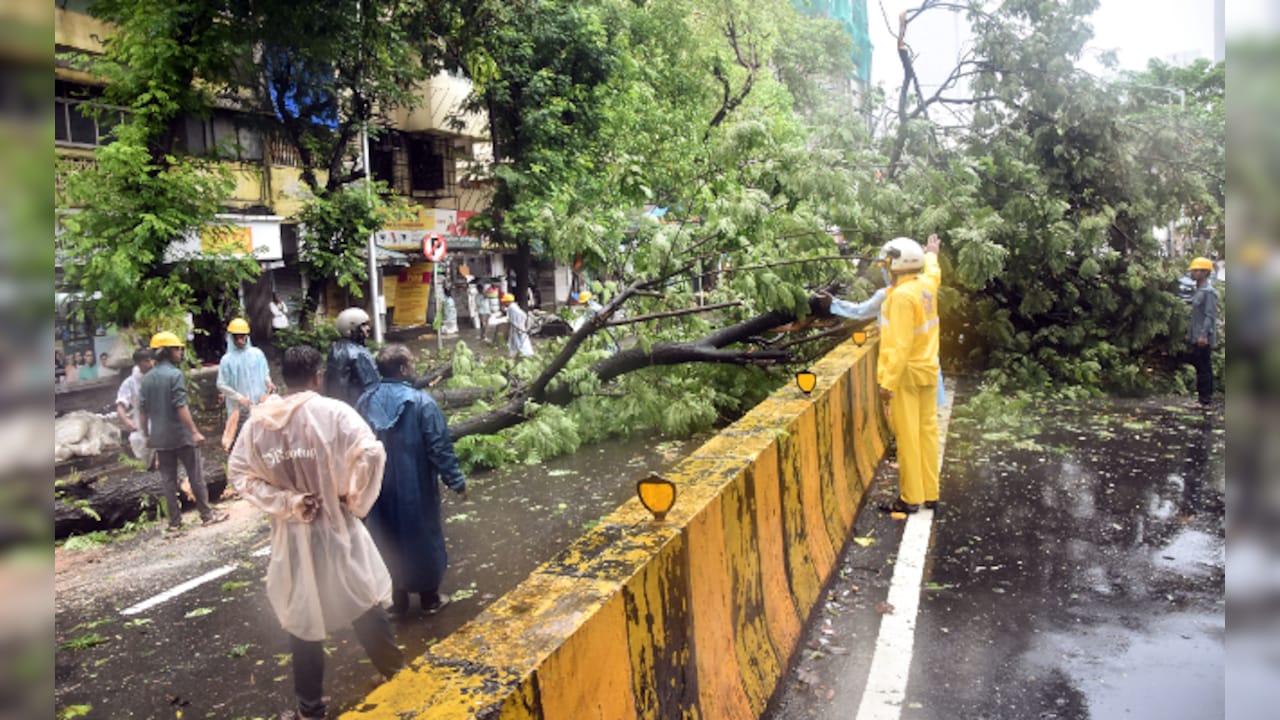
As Cyclone Ditwah lashes the southern coast and monsoon fury paralyses the financial capital, a wave of extreme weather is testing the resilience of India's urban and rural networks.
The human cost of this week’s extreme weather is becoming increasingly grim. In Mumbai, the relentless downpour has turned catastrophic, with a chawl collapse claiming six lives—including four women—as the city grapples with the fallout of a red alert. Across the country, the narrative is painfully similar: weather today live reports indicate that heavy rain grounds flights and triggers flood alerts across multiple states. From the waterlogged runways at Mumbai airport to the flash flood warnings issued in Arunachal Pradesh, where the death toll has already climbed, the infrastructure of the nation is under immense duress.
A Regional Crisis, A Global Pattern
The situation in India is part of a broader, unsettling trend. Cyclone Ditwah is wreaking havoc not just on the Indian coast, but with devastating effect in Sri Lanka, where the death toll has surged toward 100 amid widespread landslides and flooding. Even as India issues humanitarian flood alerts to Pakistan, the domestic impact of the heavy rain remains acute. North India is currently battling a state of emergency as landslides cut off connectivity, mirroring the chaos seen as far away as Japan and the United States, where storms have similarly disrupted aviation and displaced thousands.
Why it Matters: The Economic Toll
Beyond the immediate humanitarian tragedy, these weather events represent a recurring fiscal and logistical bottleneck for the Indian economy. When primary transit hubs like Mumbai—the country’s financial engine—come to a standstill, the ripple effects are felt instantly in supply chains, worker productivity, and operational costs for logistics firms. The recurrent failure of urban infrastructure to withstand extreme precipitation suggests that our current city planning is failing to keep pace with shifting climate patterns. Investors and policymakers are increasingly looking at these "disruption costs" as a permanent, rather than anomalous, risk to India’s growth story.
Managing the Monsoon Risk
The India Meteorological Department (IMD) remains on high alert, with warnings of over 200 mm of rainfall in specific pockets, keeping emergency services in a constant state of mobilization. As the government coordinates relief efforts, the focus will inevitably shift toward the long-term sustainability of our drainage systems and the structural safety of older residential buildings, like those involved in the recent Mumbai tragedy. For now, the priority remains survival—keeping transit links functional and ensuring that vulnerable communities, already reeling from the deluge, receive timely aid.
Rohan Gupta covers the economy, markets and companies for PoliticalPedia.