Monsoon Chaos: Heavy Rain Grounds Flights and Triggers Flood Alerts Across India
Weather Today LIVE: Heavy Rain Grounds Flights, Triggers Flood Alerts Across India
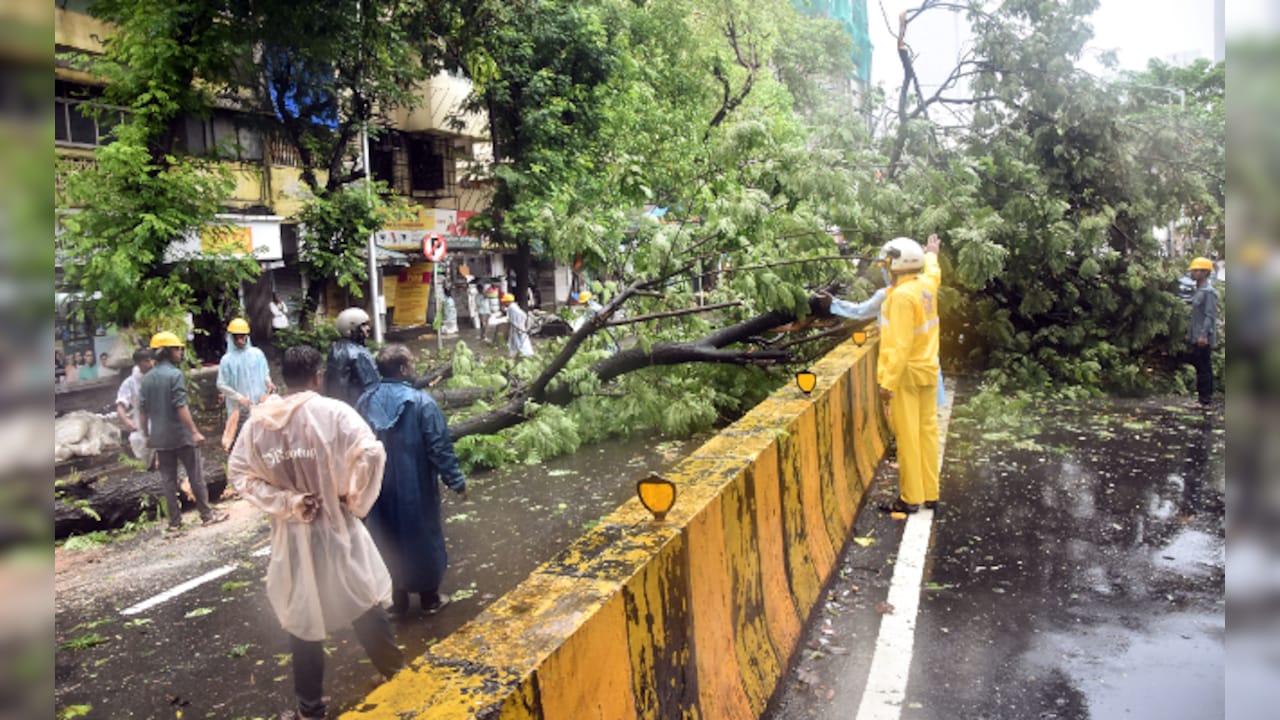
As Cyclone Ditwah churns towards the coast and torrential downpours paralyze major cities, the country faces a mounting humanitarian and economic crisis.
The scenes from Mumbai this weekend are haunting: rescue workers sifting through the debris of a collapsed chawl, a grim reminder of the human cost when extreme weather meets aging infrastructure. The collapse, which claimed six lives, including four women, is just one ripple in a wider storm system currently battering the subcontinent. From the financial capital to the remote hills of Arunachal Pradesh, where flash floods have already claimed three lives, the weather today live reports paint a harrowing picture of a nation under duress.
The logistics of the country have taken a severe hit. Heavy rain grounds flights and forces massive delays, with major carriers like Air India and IndiGo struggling to maintain schedules amid an IMD red alert. High tides and waterlogged runways have effectively turned airports into bottlenecks, while road transport across various states has been crippled by urban flooding. The situation is not isolated; as the IMD issues urgent warnings, the impact is cascading from the delta districts of Tamil Nadu—now bracing for Cyclone Ditwah—to the rain-lashed plains of North India.
A Regional Crisis in Motion
The atmospheric instability is not confined by borders. While India is grappling with internal emergencies, the regional fallout from this weather system is stark. Sri Lanka is currently reeling from a humanitarian catastrophe, with reports confirming nearly 100 deaths linked to the same cyclonic activity. Meanwhile, India has taken the diplomatic step of issuing flood alerts to Pakistan, warning of a "high probability" of risk as river levels rise. The devastation mirrors reports reaching us from further afield, where heavy storms have left thousands homeless in Japan and claimed lives in Oman.
The Bigger Picture
Why does this matter? For the economy, these recurring extreme weather events are no longer "black swan" occurrences but a structural drag on growth. When major hubs like Mumbai and Chennai effectively shut down, the ripple effect—lost man-hours, broken supply chains, and the enormous cost of disaster recovery—hits the GDP in ways that spreadsheets often fail to capture immediately. Furthermore, the strain on public infrastructure, illustrated by the tragic collapse in Mumbai, underscores a widening gap between urban expansion and climate-resilient planning. We are moving toward a reality where the cost of inaction far outweighs the investment required for robust, weather-hardy infrastructure.
As the IMD warns of rainfall exceeding 200 mm in certain pockets through Monday morning, the focus shifts from business as usual to basic survival. Whether in the waterlogged streets of our metros or the flood-prone valleys of the Northeast, the challenge remains the same: the climate is shifting faster than our capacity to adapt.
Rohan Gupta covers the economy, markets and companies for PoliticalPedia.