Rahul Gandhi Labels Great Nicobar Project a 'Colossal Theft' of Ecological Assets
Nicobar project largest theft of Indian property to fulfil fantasies of one businessman: Rahul Gandhi
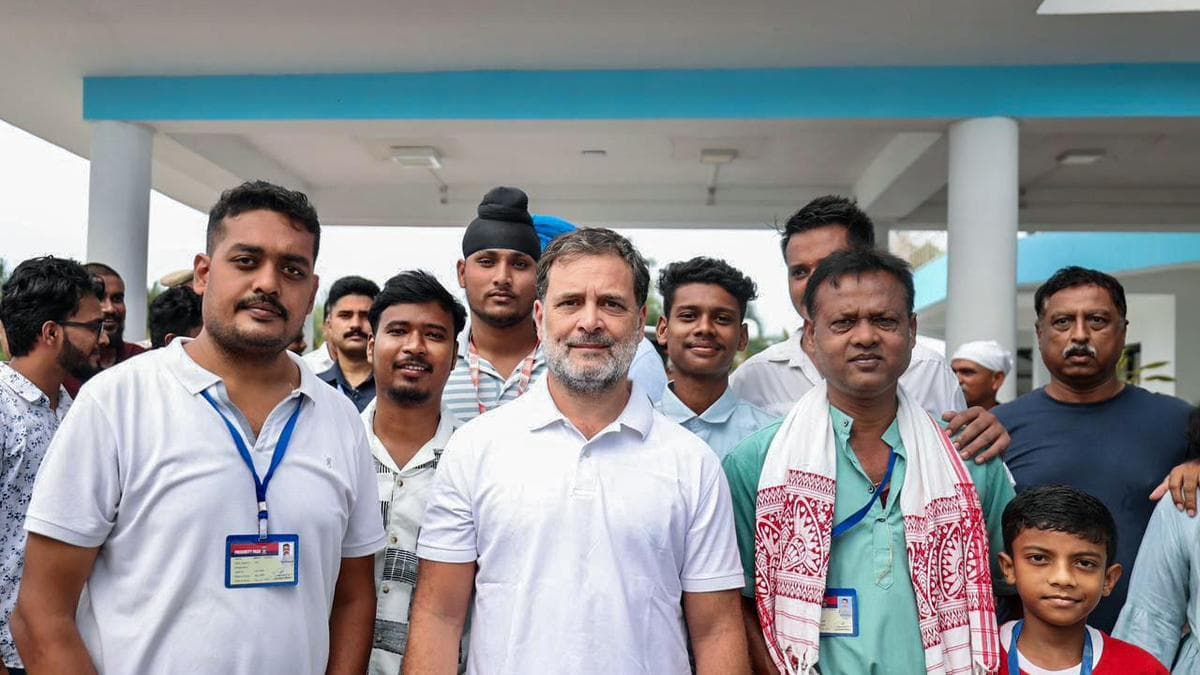
The Leader of Opposition visited the Andaman and Nicobar Islands to voice strong opposition against a multi-thousand crore infrastructure plan, alleging it prioritizes corporate interests over tribal rights and environmental integrity.
During a visit to the Andaman and Nicobar archipelago, Leader of Opposition in the Lok Sabha, Rahul Gandhi, launched a scathing attack on the government’s ambitious infrastructure plans for Great Nicobar Island. Standing amidst the dense, ancient rainforests, Gandhi described the proposed transshipment terminal, airport, and township as a "grave crime" against the nation's natural and tribal heritage. He argued that the initiative, which has sparked significant local concern, represents a form of "destruction dressed in development’s language."
Allegations of Corporate Favoritism
Rahul Gandhi (రాహుల్ గాంధీ) specifically targeted the project's objectives, claiming it is being fast-tracked to serve the personal ambitions of a single businessman. According to the Congress leader, the ecological cost—which includes the potential loss of 160 square kilometres of primary rainforest—is an unacceptable price to pay. He alleged that the government has maintained a shroud of secrecy around the project, keeping local communities in the dark regarding compensation and the long-term impact on their ancestral lands.
Concerns from Local Communities
The island visit by the Congress leader followed rising tensions between the central administration and local Nicobarese tribal communities. These residents have expressed deep apprehension over the potential loss of their traditional villages and forest access. Many of these families, including settlers and ex-servicemen, have reported that their forest rights remain unsettled. Gandhi emphasized that he found universal opposition to the project among the residents he met, noting that the government had failed to engage in a transparent dialogue with those most affected by the construction.
Legal and Strategic Debates
The project, which carries a staggering estimated cost of up to ₹92,000 crore, has faced a complex path through the judiciary. While the National Green Tribunal has previously granted clearance—asserting that the government had accounted for ecological mitigation measures—the decision is currently being contested in the Calcutta High Court. Critics and legal challengers are questioning whether the mandatory consent procedures for such a massive industrial undertaking were followed correctly.
While proponents of the plan argue that the facility is essential for enhancing India’s maritime trade, connectivity, and national security, the project continues to divide opinion. Skeptics point to reports from the Finance Ministry suggesting the port may lack clear strategic goals, further fueling the debate. As the legal battle continues, the site remains a focal point for the broader national conversation on how to balance urgent developmental needs with the preservation of fragile ecosystems and the rights of indigenous populations.
The PoliticalPedia Editorial Desk brings verified, sourced political news and analysis from across India.