Power Struggles in Vidhana Soudha: Why Byregowda Is Holding Off on Taking Charge
Fresh Cabinet Tensions In Karnataka? Byregowda Yet To Take Charge Of Bengaluru Development Portfolio
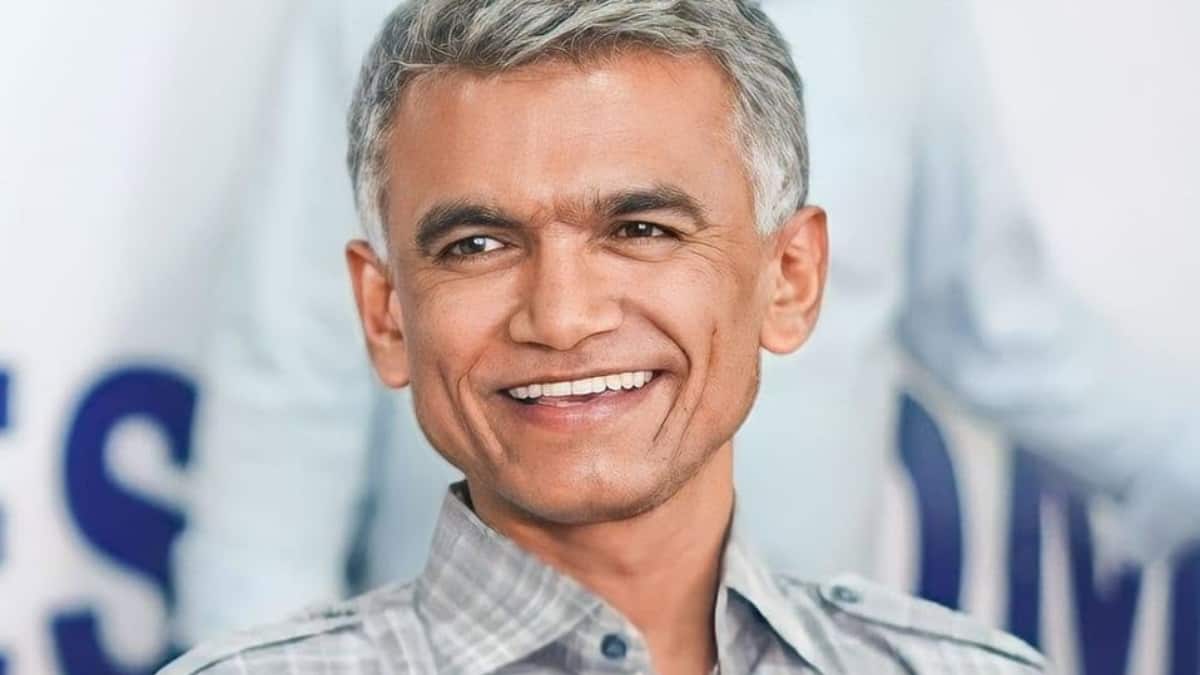
Senior Congress leader Krishna Byregowda remains in a holding pattern as questions over administrative jurisdiction stall his official entry into the Bengaluru Development portfolio.
The corridors of the Vidhana Soudha are buzzing once again, and this time, the friction isn't just about party politics—it’s about the fine print of governance. Krishna Byregowda, a senior Congress leader, has notably not taken charge of his assigned Bengaluru Development portfolio. While such delays are often dismissed as routine administrative pauses, the silence from his office points to something deeper: a fundamental disagreement over who actually runs the city’s development agenda.
The Friction Over Authority
At the heart of these fresh cabinet tensions in Karnataka is a struggle for administrative clarity. Traditionally, the minister in charge of Bengaluru holds the reins of the city’s major planning bodies. However, the current power structure has left Byregowda in a unique predicament. Deputy Chief Minister D.K. Shivakumar has retained direct oversight of the Bengaluru Development Authority (BDA) and the Bengaluru Metropolitan Region Development Authority (BMRDA).
For a department tasked with the "Greater Bengaluru" vision, the absence of control over these two primary agencies effectively hollows out the portfolio. Without authority over the BDA and BMRDA, the department’s role becomes largely symbolic, leaving the minister with little say over the city’s core infrastructure and urban planning trajectory.
Unresolved Questions
Byregowda is reportedly holding out for a clearer mandate. Insiders suggest he is seeking a definitive answer on whether his department will have any real say over the town planning wing or the five municipal corporations currently falling under the Greater Bengaluru Authority (GBA). Without this, he appears reluctant to step into an office that lacks the functional teeth to implement policy.
He is expected to hold further discussions with Shivakumar to bridge this gap. The goal is to determine whether the department’s current limitations—which have triggered this hesitation to take charge—can be addressed through a formal redistribution of powers, or if the current status quo is intended to persist.
Why it matters
This standoff is a classic example of the "dual-power" dynamic often seen in state governments, where the lines between a high-profile Deputy Chief Minister and a senior cabinet minister blur. When the state capital’s development is split between competing desks, urban governance inevitably suffers. Projects, clearances, and long-term city planning often fall into a bureaucratic limbo, leaving the public to deal with the fallout of political recalibration.
If the ruling party fails to resolve these internal administrative overlaps quickly, it risks sending a message of disarray at a time when the city is grappling with urgent infrastructure demands. For the administration, the challenge is not just about keeping the cabinet happy, but about ensuring that the machinery of Bengaluru’s development isn't stalled by a struggle for the steering wheel.
Kabir Sharma writes on culture, technology and everyday life for PoliticalPedia.