Power Play in Parliament: Abhishek Banerjee’s Direct Appeal to Speaker Om Birla
EXCLUSIVE: Abhishek Banerjee’s Letter To Speaker Om Birla Accessesed! "Don't Recognize TMC Rebels"
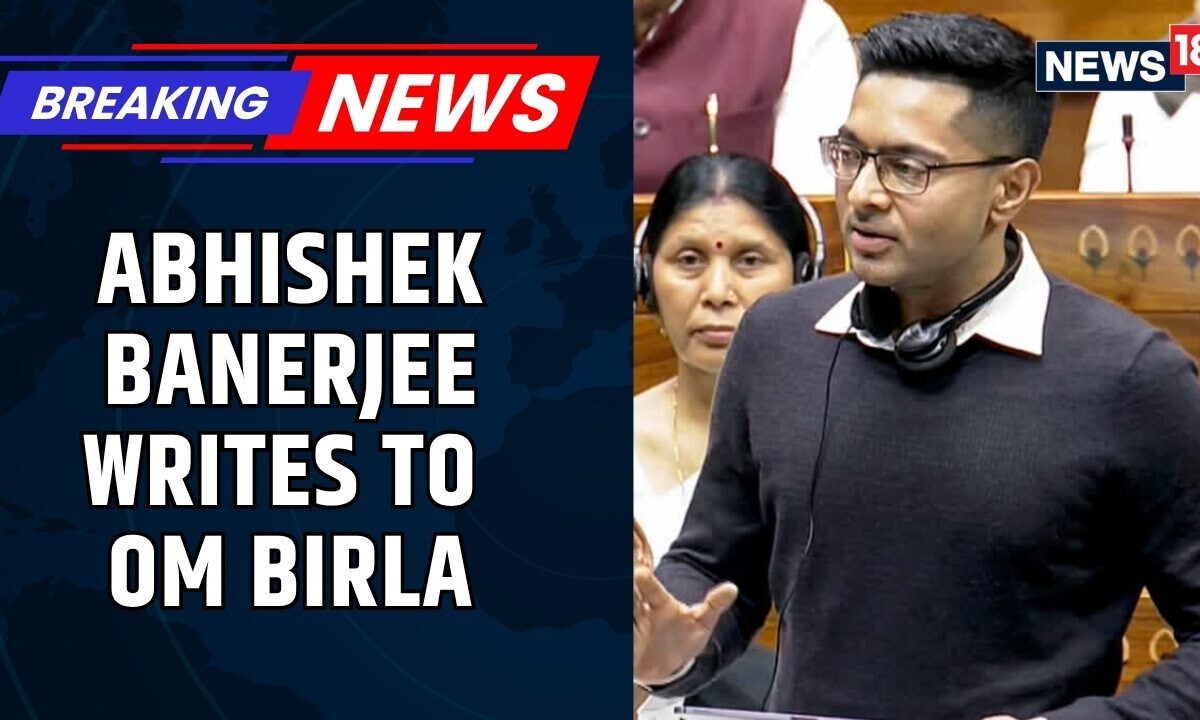
TMC leadership moves to preempt internal dissent by formally requesting that the Speaker reject any recognition of party rebels.
The corridors of power in Delhi are abuzz following an exclusive development involving the Trinamool Congress (TMC). Abhishek Banerjee has fired off a formal letter to Speaker Om Birla, explicitly urging the presiding officer of the Lok Sabha not to recognize TMC rebels. This move, accessed by News18, marks a critical escalation in the party's ongoing internal struggle, signaling that the leadership is taking no chances with its parliamentary numbers as the world watches the unfolding TMC crisis.
The letter serves as a legal and political firewall. By officially notifying the Speaker, the TMC high command is aiming to preempt any potential claims of a split within its parliamentary ranks. In the high-stakes arithmetic of the House, where every vote counts, maintaining party discipline is paramount. The leadership is clearly looking to invoke anti-defection safeguards before any internal friction manifests as a formal breakaway group on the floor of the House.
The Strategy Behind the Move
Why is this happening now? The TMC is acutely aware that internal murmurs often have a way of spiraling into public challenges to party authority. By putting the onus on Speaker Om Birla to disregard any potential rebel faction, Banerjee is effectively closing the door on the possibility of a "loyalist" versus "rebel" division being officially recorded in parliamentary proceedings. It’s a tactical maneuver designed to ensure that the party’s whip remains absolute.
While the political theatre plays out in the national capital, the party is simultaneously managing optics back home. Whether this will successfully stifle internal dissent or inadvertently highlight the depth of the rift remains to be seen. The timing is particularly sensitive, as the political heat coincides with a busy news cycle ranging from the cricket pitch—where the T20 world cup is keeping fans glued to their screens—to the latest updates on movies and cultural events.
Why It Matters: The Bigger Picture
This incident highlights the fragile nature of party management in Indian politics. When a regional powerhouse like the TMC faces internal pressure, the ripples are felt far beyond Kolkata. If the Speaker were to recognize a rebel faction, it could trigger a domino effect, potentially altering the legislative agenda or the stability of the party’s position in the House.
The pattern here is clear: mainstream parties are increasingly turning to institutional mechanisms—like direct letters to the Speaker—to settle internal scores before they reach the public stage. It reflects a trend where parliamentary procedure is becoming the primary battleground for party supremacy. As observers track these developments via https portals and news18 updates, the broader takeaway is that for the TMC, the battle for the party’s identity is now officially a matter of parliamentary record.
Rohan Gupta covers the economy, markets and companies for PoliticalPedia.