Behind the power play: NDA eyes parliamentary edge as internal rifts stir
NDA looks to boost numbers in Lok Sabha, Sena UBT may also split
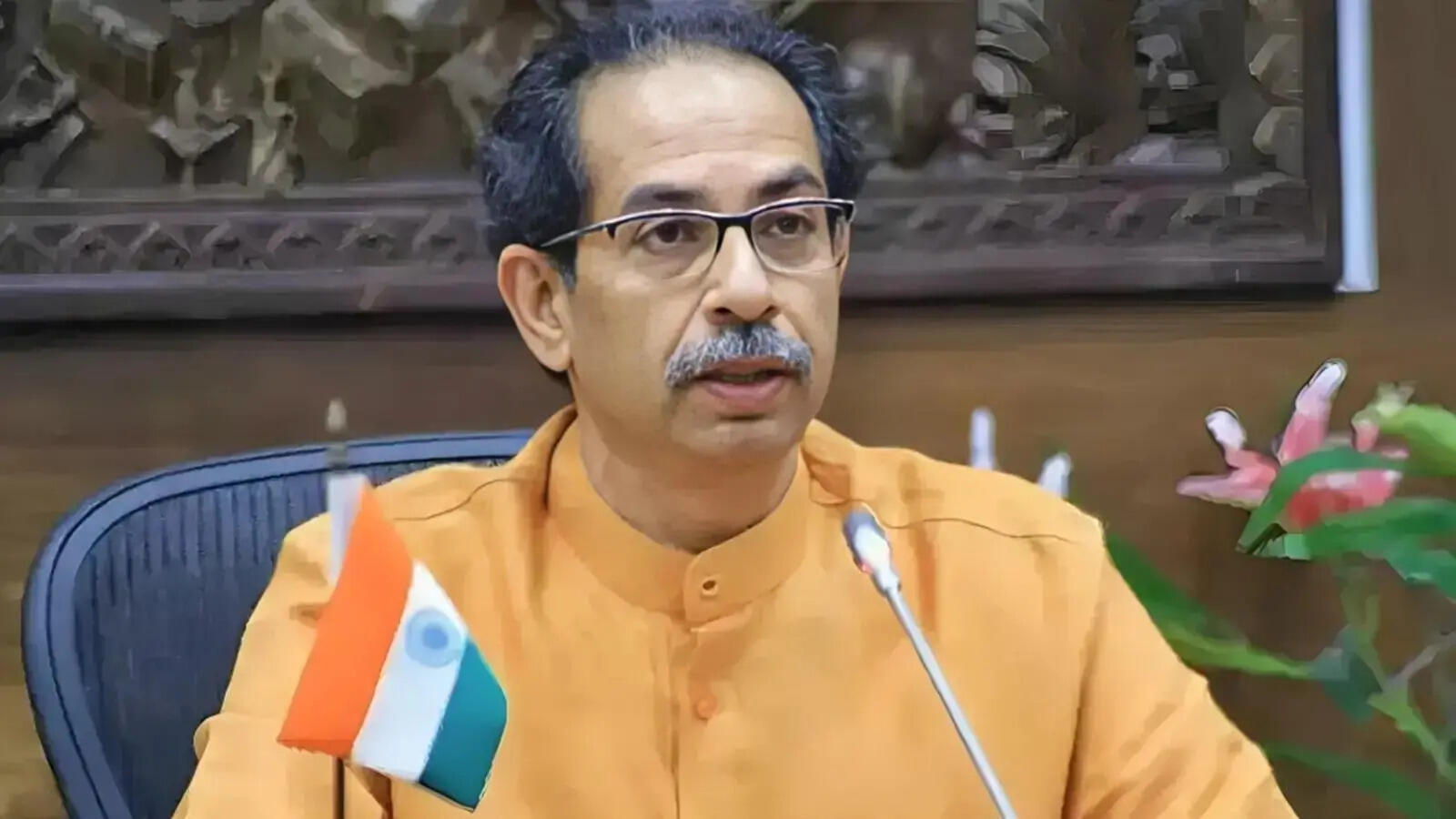
As reports of potential realignments emerge, the NDA looks to boost its numbers in the Lok Sabha while the opposition faces fresh internal challenges.
The corridors of power in Delhi are abuzz with talk of a structural shift in the Lok Sabha. Fresh intelligence suggests that the NDA is moving to consolidate its position, eyeing potential support from fence-sitters and breakaway factions. While the dust from the recent general elections has barely settled, the focus has already shifted to the arithmetic of the House, where every seat is now a high-stakes asset.
Whispers of a looming split within the Sena UBT have gained momentum, mirroring the volatility seen in other opposition camps. Reports indicate that the TMC is also contending with an internal rebellion, with a group of MPs positioning themselves as the "real" faction and seeking an audience with the Speaker. If these cracks widen, the opposition’s ability to coordinate a unified front—even on issues where they share common ground, such as the "idea of India"—will face a severe test.
The numbers game
For the ruling coalition, the goal is clear: securing the legislative runway necessary to push through ambitious reforms. Speculation is rife that with the opposition’s numbers potentially shrinking, the government might finally find the parliamentary cushion required to move the long-pending Delimitation Bill. With discussions floating about increasing the total seat count to 816 to accommodate one-third reservation for women, the NDA needs a robust majority that transcends its current baseline.
The shifting landscape isn't limited to the Lok Sabha. With 37 Rajya Sabha seats across ten states heading to the polls, the upper house remains a critical battleground. The outcome of these contests will determine whether the government can navigate legislative hurdles with ease or if it will remain dependent on complex floor management and cross-party negotiations.
Why it matters
This scramble for numbers reflects a deeper, more permanent reality in Indian politics: the era of razor-thin margins. When the government looks to boost its strength, it isn't just seeking a simple majority; it is aiming for the legislative immunity that comes with a commanding lead. If factions within the Sena UBT or the TMC do indeed break away, it signals a deeper fragmentation of the INDIA bloc, which had managed to hold its own during the polls.
The bigger picture suggests that the BJP-led coalition is betting on the fact that political survival often outweighs ideological loyalty. As individual MPs assess their own political futures, the temptation to align with the treasury benches, especially when ministerial berths or legislative agendas are at stake, becomes a potent tool for the ruling establishment. Whether these realignments lead to a stable policy environment or merely deepen the cycle of defection remains the primary question for the coming session.
Priya Nair covers parties, elections and the business of power for PoliticalPedia.