Pope Leo XIV Warns of 'Deep Spiritual Crisis', Urges Action on Migration and Global Conflicts
Pope Leo XIV Warns Of 'Deep Spiritual Crisis', Urges Action On Migration And Global Conflicts
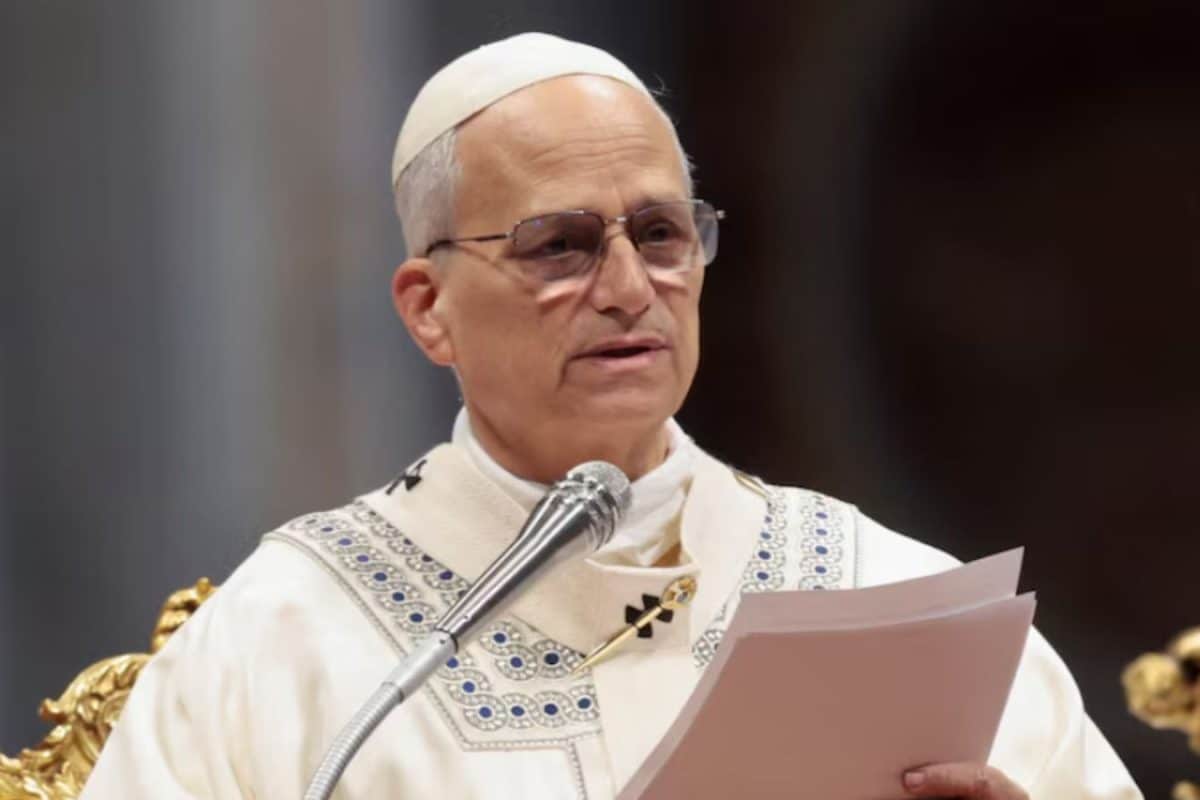
The pontiff’s high-stakes visit to Spain and his recent addresses to global diplomats signal a shift toward a more interventionist Vatican agenda on the world stage.
As the popemobile moved through the streets of Madrid, drawing cheers from hundreds of thousands—including a generation of younger Catholics drawn to his unconventional, youth-friendly gestures—Pope Leo XIV delivered a stinging indictment of the current international order. Addressing Spain’s parliament, the pontiff characterized the state of the world not merely as a series of political disputes, but as a "deep spiritual and cultural crisis." He warned that global stability is fracturing under the weight of violence, polarization, and a dangerous "globalization of indifference."
For the Pope, the drift toward rearmament is a strategic and moral failure. In his recent remarks to the diplomatic corps representing 184 nations at the Vatican, he noted that "war is back in vogue," cautioning that nations are increasingly trading dialogue for the roar of weapons. This message took on immediate urgency during his visit to Spain, where he explicitly challenged the trend of military build-ups, arguing that true security is built on justice and the rule of law, not on the profit-driven interests of the arms trade.
The Human Cost of Polarization
Beyond the high-level policy critiques, the Pope’s week-long tour of Spain—which includes visits to homeless shelters and meetings with migrants in the Canary Islands—serves as a physical manifestation of his rhetoric. He has consistently urged leaders to stop "fanning the flames of polarization" with sterile, divisive narratives. By drawing on Spain’s own history of medieval coexistence between Christians, Muslims, and Jews, he is attempting to reframe the debate on migration as a question of human dignity rather than a political burden.
The crisis, as the Pope sees it, is amplified by modern technology, which he believes often weakens critical thinking and magnifies existing prejudices. His stance has put him at odds with some of the world's most powerful political figures, including U.S. President Donald Trump, whom he has openly criticized for restrictive immigration policies and the escalating conflict in Iran.
Why it matters: A Vatican Pivot
This is a departure from the traditional, quieter diplomacy of the Holy See. By explicitly linking the "globalization of powerlessness" to the suffering of over 100 million displaced people, the Pope is leveraging the moral authority of his office to force a shift in the global conversation. The pattern is clear: he is positioning the Church as a central mediator, pushing nations to prioritize humanitarian aid over the "inevitable" response of military escalation.
However, his influence faces a steep uphill climb. With nearly two-thirds of the world’s population living in countries where religious freedom is under significant strain, the Pope’s call for the protection of marginalized groups, including the unborn and refugees, often clashes with the domestic agendas of the very governments he addresses. Whether his "diplomatic courage" can actually silence the weapons in places like the Middle East remains the defining test of his papacy.
Politics Desk at PoliticalPedia covers parties & elections for an Indian audience in English and Hindi.