PM Modi Reviews Growth Strategy as EAC Meets Amid Global Economic Headwinds
PM Modi pushes growth agenda at EAC meet amid economic pressure
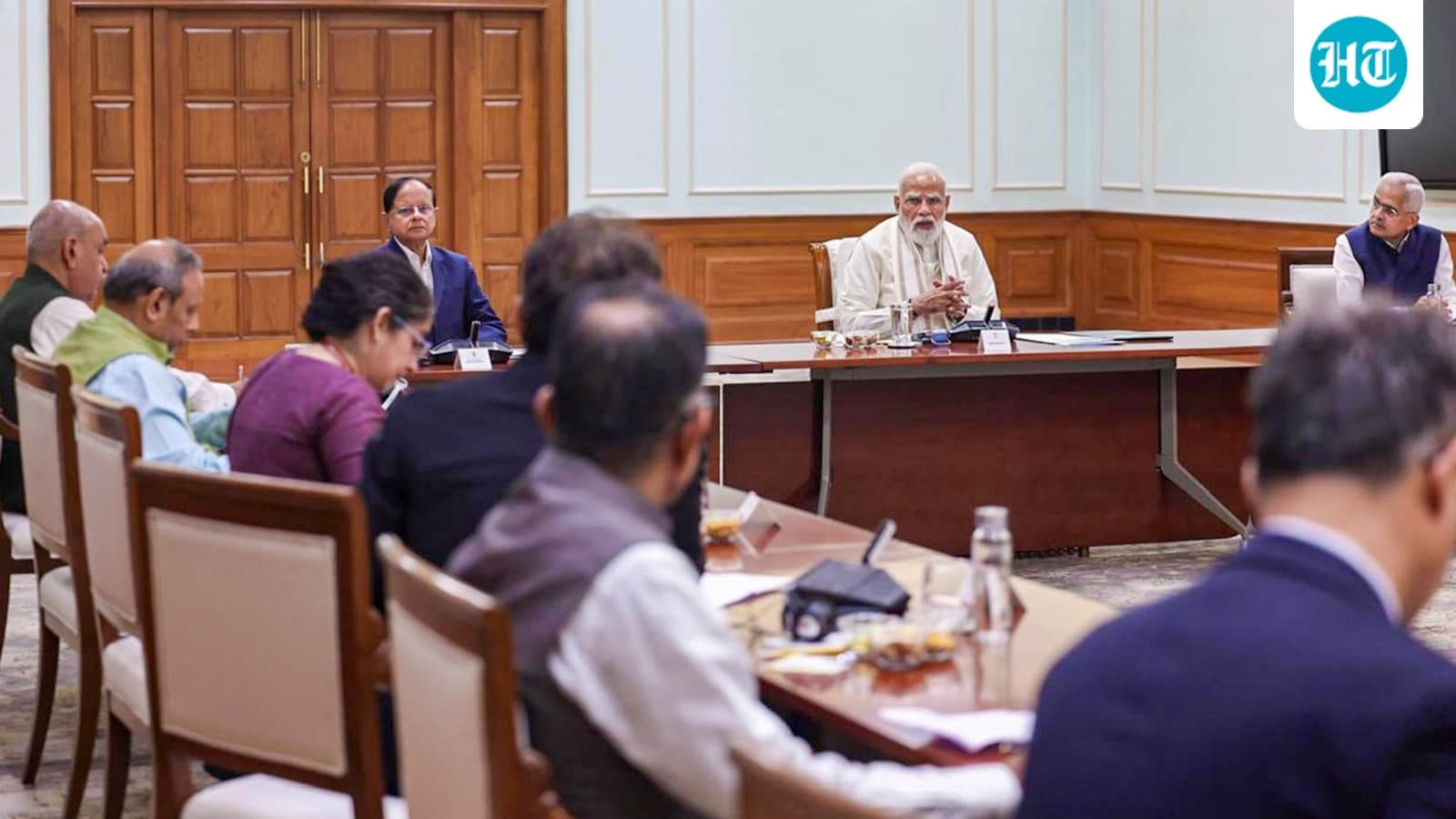
A high-level review of India’s economic trajectory seeks to balance structural reforms with the need to shield domestic markets from external volatility.
Prime Minister Narendra Modi chaired a high-level meeting of the Economic Advisory Council (EAC) on Saturday, focusing on strategies to sustain India’s momentum in an increasingly unpredictable global landscape. The session, held at a time of heightened geopolitical tension in West Asia, served as a platform for the government to deliberate on long-term development priorities while addressing immediate concerns regarding the stability of the Indian rupee.
The deliberations followed a significant uptick in macroeconomic data, with the National Statistics Office reporting a robust 7.7% GDP growth for the 2025-26 fiscal year, bolstered by a 7.8% expansion in the final quarter. Despite this strong headline figure, Modi emphasized that the government remains committed to deepening the reform journey, specifically targeting improvements in the "Ease of Living" and "Ease of Business" indices to ensure the gains reach the grassroots level.
Navigating External Volatility
The government’s push for growth comes at a time when the opposition has aggressively targeted the administration over rising retail fuel prices and the currency's recent depreciation. In a proactive move to stabilize the financial environment, the finance ministry and the Reserve Bank of India (RBI) rolled out a series of measures on Friday designed to attract foreign capital. By widening investment avenues for foreign portfolio investors and offering tax concessions on government bonds, policymakers aim to make Indian sovereign instruments more competitive against peer emerging markets.
The central bank’s intervention, which includes cost subvention for external commercial borrowings and a concessional swap window for foreign currency deposits, appears to have yielded immediate results. Following the announcement, the rupee appreciated by 56 paise, signaling a potential stabilization that officials hope to sustain through continued fiscal vigilance.
The Reform Roadmap
Beyond immediate monetary support, the economic strategy discussed during the council meeting focused on structural deregulation. Sources familiar with the proceedings indicate that the Prime Minister has directed ministers to prioritize the reduction of compliance burdens, a move aimed at streamlining industrial output and incentivizing private investment.
The focus on "Ease of Doing Business" is not merely a domestic administrative goal; it is a critical component of India’s strategy to position itself as a preferred destination for global supply chains amid shifting international trade dynamics. By integrating long-term developmental planning with targeted market interventions, the council is attempting to build a buffer against the inflationary pressures currently exacerbated by the ongoing crisis in West Asia. As the administration looks toward the coming quarters, the success of these reforms will likely depend on how effectively they can insulate the domestic economy from external shocks while maintaining the current 7.7% growth trajectory.
The PoliticalPedia Editorial Desk brings verified, sourced political news and analysis from across India.