Beyond the Cap and Belt: Why Kangana Ranaut is Calling for a Redesign of the Nursing Uniform
Kangana Ranaut calls nursing ‘most sexualised profession’: ‘Their uniform is very British’
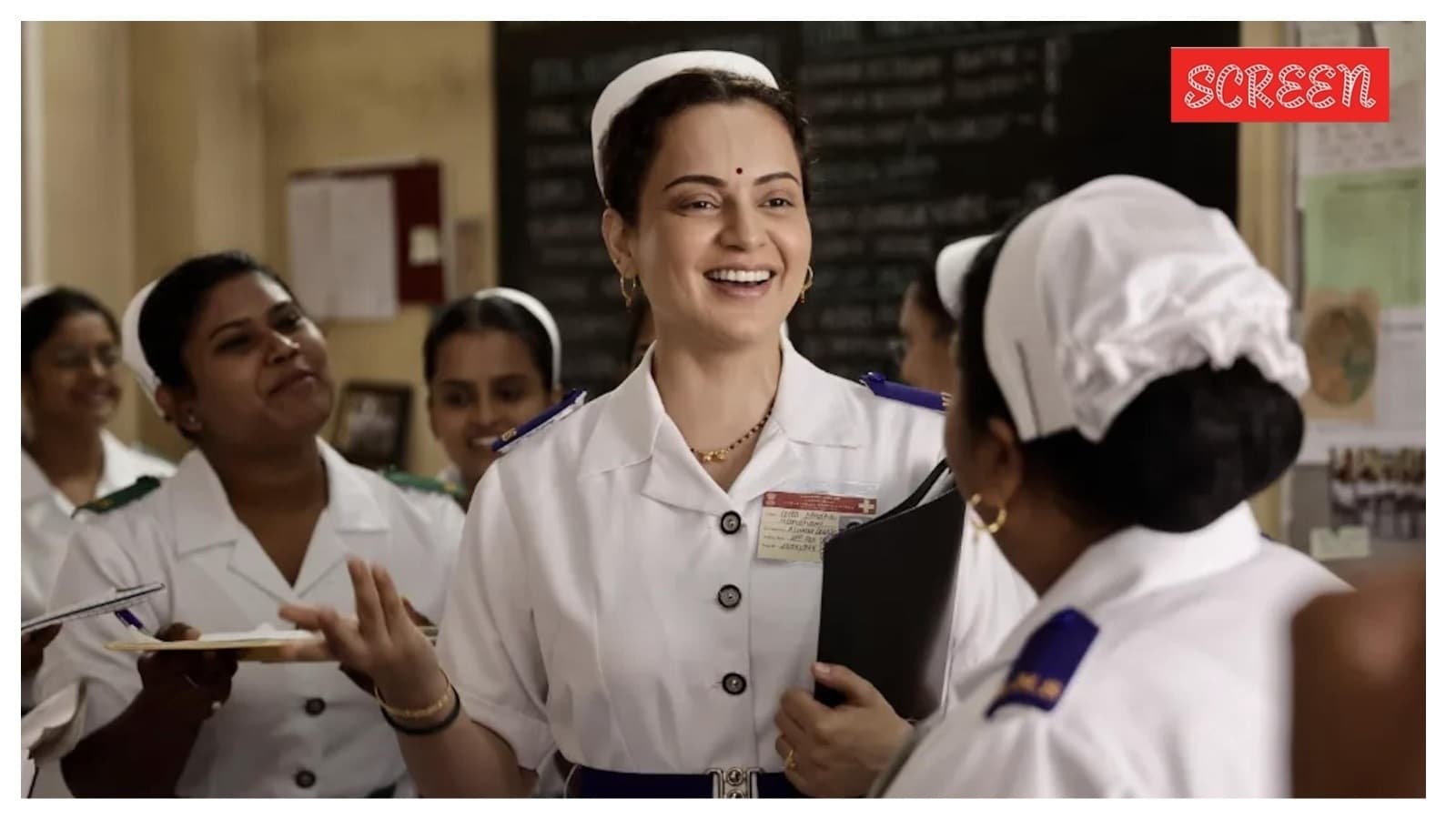
The actor-turned-politician argues that the colonial-era aesthetic and persistent societal stereotypes have turned nursing into one of the most sexualised and underappreciated professions in India.
In the high-stakes corridors of Mumbai’s Cama Hospital, the silence of the night was shattered by the 26/11 terror attacks, leaving the nursing staff to emerge as unlikely, unsung heroes. As Kangana Ranaut steps into the shoes of one such survivor for her upcoming period thriller, Bharat Bhhagya Viddhaata, the role has forced a deeper reckoning with how society views the medical frontline. Beyond the cinematic portrayal, the actor is pointing to a systemic issue: nurses, she argues, are the most sexualised professionals in the country, trapped in a cycle of being overworked, underpaid, and perpetually stereotyped.
For Ranaut, the optics of the profession are part of the problem. She contends that the standard uniform—often defined by pins, caps, and structured belts—carries a heavy colonial hangover that feels increasingly out of place. Drawing parallels to the US Navy uniforms of World War I and II, she describes the current dress code as a "very British look" that ignores the practical realities of the Indian climate. While doctors enjoy the flexibility of wearing a white coat over their choice of clothing, nurses remain tethered to a rigid, foreign-influenced aesthetic that she believes contributes to an uncomfortable distance between the caregiver and the public.
The Reality Behind the Stereotype
The actor’s critique isn't merely about fabric; it is about the "diminished" respect afforded to those who keep hospitals running. During promotional interactions, Ranaut highlighted a stinging reality, noting that pop culture often uses the nurse as a trope—dressing up in nursing gear for Halloween or reducing the role to cheap jokes. She admits that a dialogue in her own film, which hinted at this casual objectification, had to be trimmed for time, but it remains a lived experience for thousands of healthcare workers.
It is a paradox of our times: we revere the doctor as a savior, yet the support staff—nurses, ward boys, and cleaners—who handle the most grueling, intimate aspects of patient care are often invisible. Ranaut emphasizes that these workers were the ones who stood as key witnesses against terrorists like Ajmal Kasab, yet their contribution to both the nation's security and its daily health infrastructure remains largely unacknowledged.
Why it Matters: The Bigger Picture
This discourse touches on a deeper, uncomfortable pattern in Indian healthcare: the colonial legacy of our professional hierarchies. While medicine has modernized, the social status of nursing has struggled to shed its mid-century baggage. Ranaut’s call to "Indianise" the uniform is, in essence, a call for professional autonomy. By suggesting that nurses should be the ones to decide on reforms that prioritize their comfort and dignity, she is challenging the top-down management structures that have dictated healthcare aesthetics for decades. Whether or not her film triggers a national conversation, it successfully shifts the spotlight from the high-profile surgeon to the floor-level caregiver, asking us to reconsider the human beings behind the uniform.
Features Desk at PoliticalPedia covers culture, tech & life for an Indian audience in English and Hindi.