Odisha Doubles Rice Milling Charges to Streamline Paddy Procurement Process
Odisha doubles rice milling charges, to encourage paddy procurement
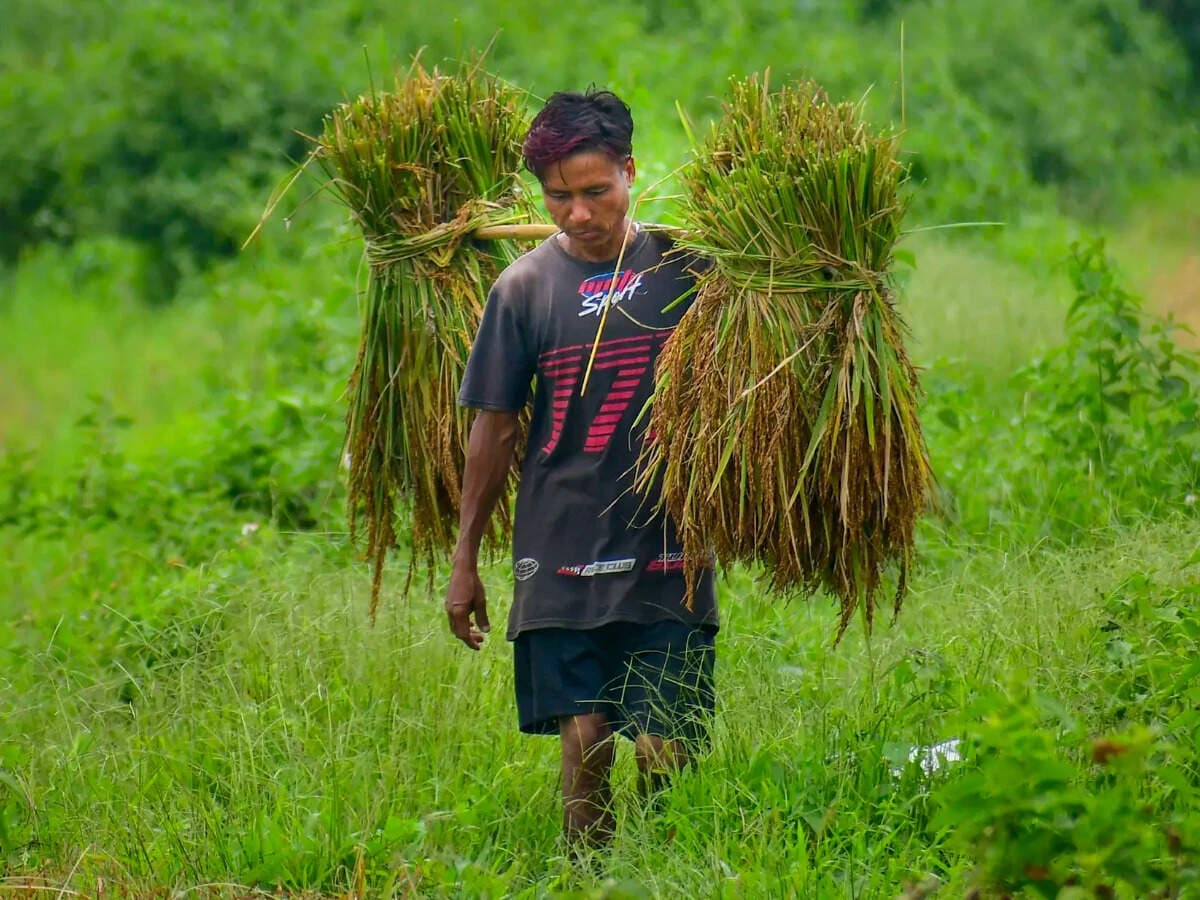
The state government has announced a significant hike in processing rates to bolster the agricultural supply chain and support local millers.
In a move aimed at revitalizing the state’s agricultural infrastructure, the Odisha government has officially doubled the rice milling charges. Chief Minister Mohan Charan Majhi approved the proposal on Friday, a decision that comes as the current paddy procurement season remains in full swing across the state. By addressing long-standing financial grievances within the milling sector, the administration intends to ensure a smoother, more efficient transition of stocks from the farm gate to the market.
Addressing Industry Demands
For several years, millers in the state have been lobbying for a revision of the processing fees, citing the mounting pressures of inflation. Factors such as the steady rise in fuel prices, increased labour wages, and the escalating costs of necessary milling inputs had rendered the previous rates unsustainable. By doubling these charges, the government expects to provide the necessary relief to millers, which officials said will ultimately strengthen the overall paddy processing ecosystem in Odisha.
The revised financial framework involves a substantial increase for both primary varieties of rice. According to the Chief Minister’s Office, the milling charge for parboiled (Ushuna) rice has been raised from Rs 20 to Rs 40 per quintal. Similarly, the charge for raw (Arua) rice has been adjusted from Rs 10 to Rs 20 per quintal. These updated rates are set to be implemented with immediate effect, ensuring that the current procurement drive does not face logistical bottlenecks.
Strengthening the Agricultural Value Chain
The broader implications of this policy shift extend beyond the interests of the millers. By incentivizing the processing sector, the state aims to secure a more robust agricultural value chain. When the milling infrastructure operates at peak efficiency, the handling of paddy and rice stocks becomes more reliable, which directly benefits the farmers who depend on the state procurement system to sell their produce at designated price points.
This development follows a period of heightened focus on the state’s agrarian economy. Recent policy discussions have also highlighted the government’s commitment to fair pricing, including cabinet approvals for norms that allow for the purchase of paddy at Rs 3,100 per quintal. Coupled with the recent economic data showing the state’s GSDP nearing the Rs 10 lakh crore mark, these administrative measures are part of a larger push to ensure that Odisha’s growth remains inclusive and resilient in the face of rising operational costs.
The PoliticalPedia Editorial Desk brings verified, sourced political news and analysis from across India.