NTPC Pivots to Flexible Coal Units to Stabilize India’s Renewable-Heavy Power Grid
NTPC to set up flexible coal-fired units to ensure reliable power supply
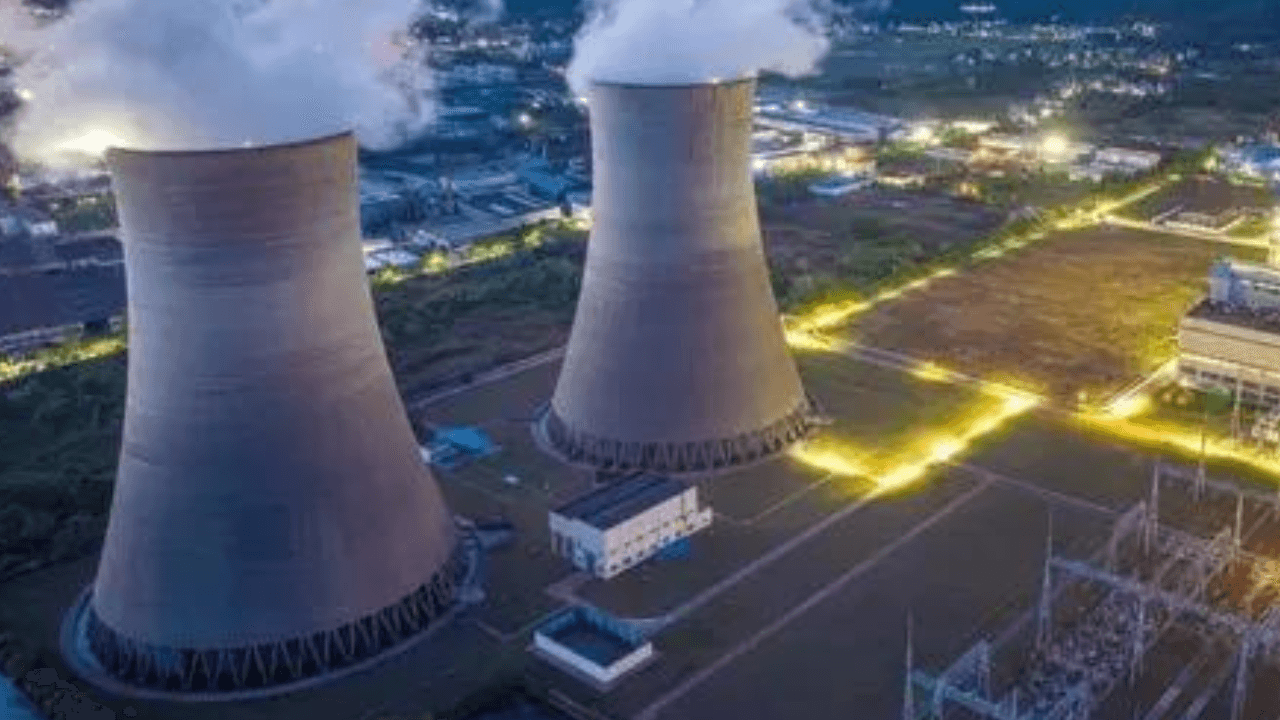
State-run utility launches initiative for agile thermal plants to bridge the intermittency gap as solar and wind integration accelerates across the national grid.
As India rapidly scales its renewable energy capacity, the volatility inherent in solar and wind power is forcing a strategic rethink of the country's electricity infrastructure. NTPC, the nation’s largest power generator, is now inviting expressions of interest to develop flexible, sub-critical coal-based thermal plants. These units, designed with capacities between 150-250 MW, are intended to act as shock absorbers for the grid, capable of rapid adjustments to compensate for the sudden dips in renewable generation that often occur when weather patterns shift or the sun sets.
Redefining the Role of Thermal Power
Traditionally, India’s coal-fired plants were designed for "base load" operation—running continuously at near-full capacity. However, as the share of renewables grows, these plants are increasingly forced to cycle. Currently, NTPC’s existing fleet operates at a technical minimum load of 55%, a level that experts in Power Line Magazine note is becoming increasingly difficult to maintain without compromising equipment longevity. The shift toward units that can operate at a 25% technical minimum load marks a departure from rigid legacy systems, allowing the grid to remain stable even when solar input fluctuates.
The Balancing Act: Beyond Renewables
The decision to prioritize sub-critical technology over more complex supercritical or ultra-supercritical models is rooted in operational necessity. According to NTPC, smaller sub-critical units offer superior flexibility for two-shift operations, a vital requirement for balancing the grid. With hydroelectric and gas-based power limited in their ability to scale to meet India's massive energy demand, coal remains the cornerstone of the country's power security. This transition is not merely about capacity, but about "flexibilisation"—a strategy that involves digitalizing plant operations and upgrading technical protocols to ensure that when renewables fail to deliver, the thermal units can ramp up almost instantaneously.
A Multidimensional Energy Future
This move comes as NTPC simultaneously explores a diverse energy mix, including recent interest in nuclear power to complement its decarbonization journey. By balancing nuclear, coal, and renewables, the utility is attempting to build a resilient architecture that avoids the pitfalls of relying on any single energy source. While critics have pointed to the risk of premature aging for coal plants forced to operate under fluctuating loads, the company is countering this by integrating advanced digital solutions and artificial intelligence to monitor plant health. These "self-tuning" technologies are becoming essential tools for maintaining efficiency in an era where power plants are no longer just generators, but active participants in grid frequency management.
Ensuring Long-Term Reliability
The broader energy transition reflects a shift in priority from simple volume generation to systemic reliability. As the country aims for aggressive carbon reduction targets, the interplay between intermittent green energy and "flexible" thermal support will define the next decade of infrastructure development. By modernizing its approach to coal, NTPC is acknowledging a practical reality: while the future is renewable, the current grid requires the heavy lifting of thermal plants to keep the lights on during the transition.
The PoliticalPedia Editorial Desk brings verified, sourced political news and analysis from across India.