NTA Shifts to ‘Zero-Trust’ Model: Paper Setters to Remain in the Dark to Prevent Exam Leaks
After NEET-UG 2026 leak, NTA wants question setters to not know which exam they’re setting papers for
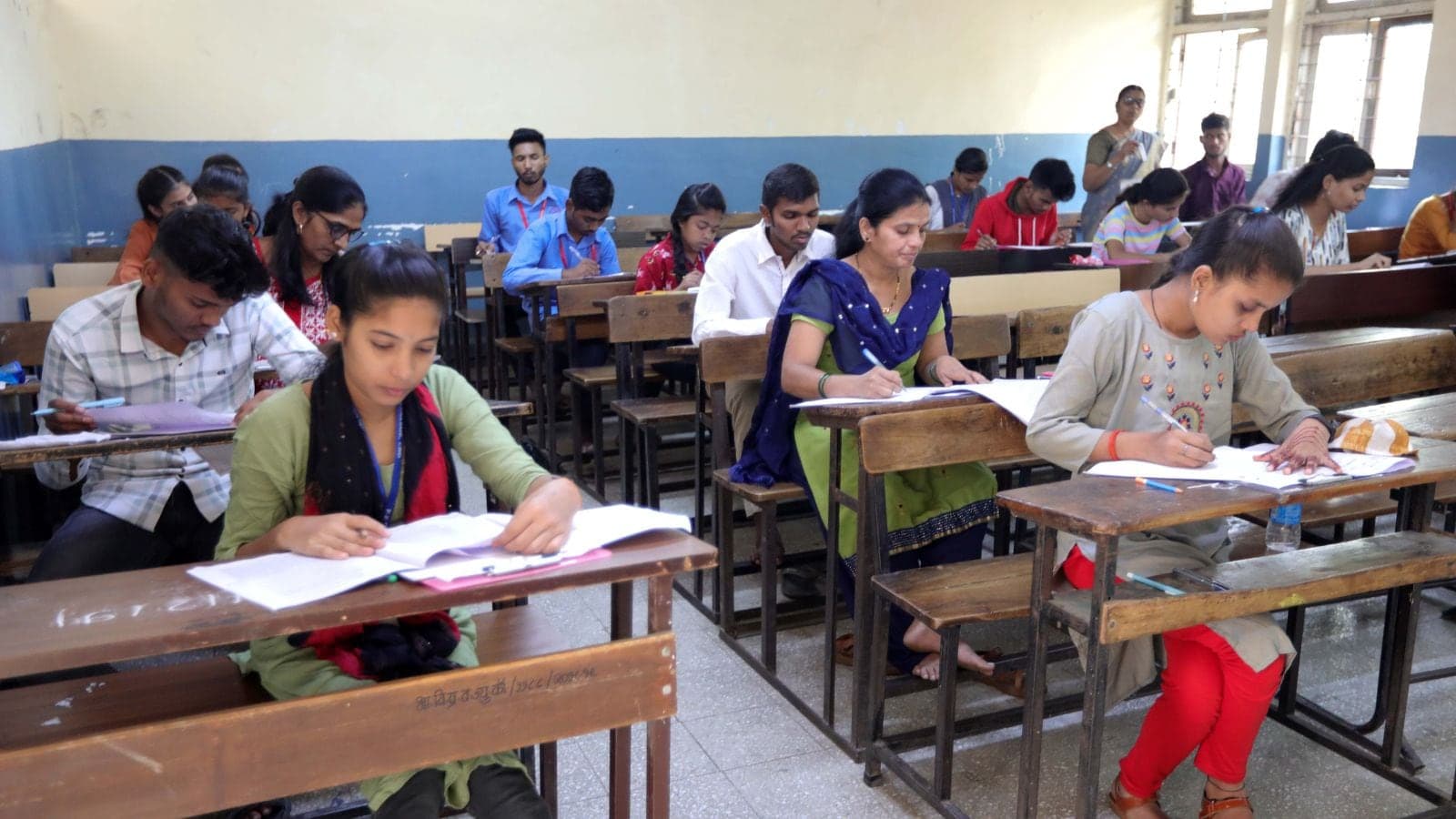
In a radical overhaul following the NEET-UG 2026 breach, the NTA plans to decouple question setting from specific exams to eliminate insider threats.
The National Testing Agency (NTA) is moving toward a “zero-trust architecture” to secure high-stakes entrance tests, aiming to ensure that subject experts no longer know which examination they are contributing to. This structural shift comes in the wake of the NEET-UG 2026 leak, which exposed deep vulnerabilities within the confidential operations (CONOPs) process. By removing the link between individual experts and specific papers, the NTA hopes to dismantle the possibility of targeted leaks that have plagued recent testing cycles.
Redesigning the Paper-Setting Protocol
Under the proposed system currently under government review, the role of domain experts will be fundamentally transformed. Previously, experts were tasked with crafting sections for a specific exam, such as NEET or JEE. Under the new model, their contribution would be funneled into a massive, centralized repository of questions. Because these experts would be “examination-agnostic,” they would have no visibility over the final composition of any specific exam paper.
This design is intended to move the burden of security away from relying on the integrity of individuals and toward a more robust system process. As one senior official noted, the goal is to ensure that no single person possesses enough information to compromise the integrity of a complete exam paper.
Lessons from the NEET-UG 2026 Investigation
The urgency for this transition follows an extensive CBI investigation into the 2026 NEET-UG leak, which has led to the arrest of 13 individuals. The probe revealed that the breach occurred during the highly restricted CONOPs phase—a process previously bolstered after the 2024 controversies. Among those arrested were translators and subject experts who were accused of leaking specific sections of the biology, chemistry, and physics papers.
These arrests served as a harsh wake-up call for authorities, proving that even the most stringent traditional security measures are susceptible to human greed. Officials now acknowledge that the leak was not merely a “pen-and-paper” issue but a fundamental failure in system design that allowed trusted insiders access to too much sensitive data.
Towards a Centralized Question Bank
The NTA is currently exploring the logistical requirements of building a repository capable of housing thousands of questions across various subjects. By generating papers from this massive, randomized bank, the agency intends to drastically reduce the human interface that has historically facilitated leaks.
While the administrative challenge of managing such a system is significant, the government views this as a necessary evolution for the NTA. By shielding the identity and purpose of each question until the final hour of paper generation, the agency aims to restore public confidence in the fairness and security of national examinations. Whether this "zero-trust" approach will be fully operational for upcoming cycles remains the primary focus of ongoing discussions within the education ministry.
The PoliticalPedia Editorial Desk brings verified, sourced political news and analysis from across India.