No Tanker Water In Mumbai From Today: 'LPG-Like Crisis' Feared As Societies, Hotels Face Crunch
No Tanker Water In Mumbai From Today: 'LPG-Like Crisis' Feared As Societies, Hotels Face Crunch
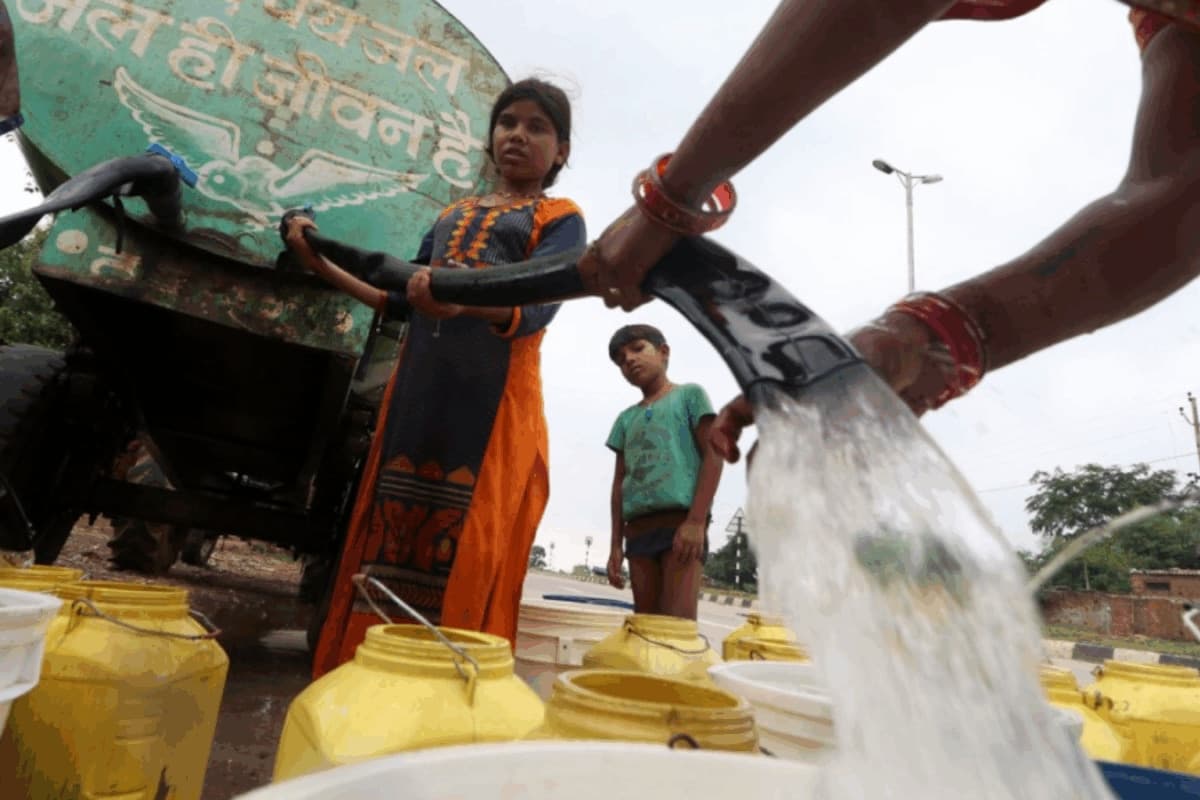
As an indefinite strike by tanker operators hits the city, residents and businesses scramble for alternatives amid an already strained municipal supply.
The taps aren't just running dry in Mumbai; they are becoming a luxury. Starting today, the city’s lifeblood—the water tanker fleet—has ground to a halt. With the Mumbai Water Tanker Association (MWTA) pulling over 2,000 vehicles off the streets, roughly 550 million litres of daily water supply has vanished overnight. For high-rise societies, hospitals, and hotels that rely on this supplementary flow to survive the BMC’s existing 10 per cent water cut, the timing couldn't be more punishing.
A Regulatory Stand-off
The industry isn't calling this a strike so much as a forced retreat. At the heart of the standoff is a flurry of legal notices—over 250 in the last week alone—issued by the BMC and revenue authorities. These notices cite Central Ground Water Authority (CGWA) rules, demanding that every borewell and well operator secure a No-Objection Certificate (NOC) for groundwater withdrawal.
For the operators, the frustration is rooted in geography. They claim these rules are being enforced with aggressive selectivity within Mumbai’s city limits, while the rest of the Mumbai Metropolitan Region and Maharashtra operate under a different, more lenient reality. With authorities threatening to seal wells, cut electricity, and even confiscate tankers, the association has declared it cannot risk operations until a formal resolution is reached with the government.
The Bigger Picture: Why It Matters
This is a collision between long-standing infrastructure deficits and sudden, rigid bureaucracy. Mumbai has historically relied on these private tankers as a stop-gap for its creaking water distribution network. By enforcing groundwater regulations without providing an immediate municipal alternative or a transition period, the state is risking a public health and logistical nightmare.
If this persists, we are looking at a classic supply-chain shock. Much like an LPG-like crisis, the sudden scarcity will inevitably drive up black-market prices, hit the hospitality sector’s bottom line, and leave residential societies struggling to meet basic sanitation needs. The threat of a deficient monsoon only adds a layer of existential anxiety to a city that is already living on the edge of its reservoir capacity.
What’s Next?
For now, the city waits for a signal from the state. The tanker operators are clear: they want a seat at the table. Until the BMC and the CGWA find a way to reconcile environmental regulations with the practical, daily reality of Mumbai’s water dependency, the city’s taps will remain at the mercy of this standoff. For the average Mumbaikar, the focus shifts from managing a 10 per cent cut to surviving a total blackout of supplementary supply.
Politics Desk at PoliticalPedia covers parties & elections for an Indian audience in English and Hindi.