NIA Court Orders Charges Against 26 PFI Leaders Over 'Caliphate' Conspiracy
NIA court orders framing of charges against 26 PFI leaders for seeking to establish caliphate
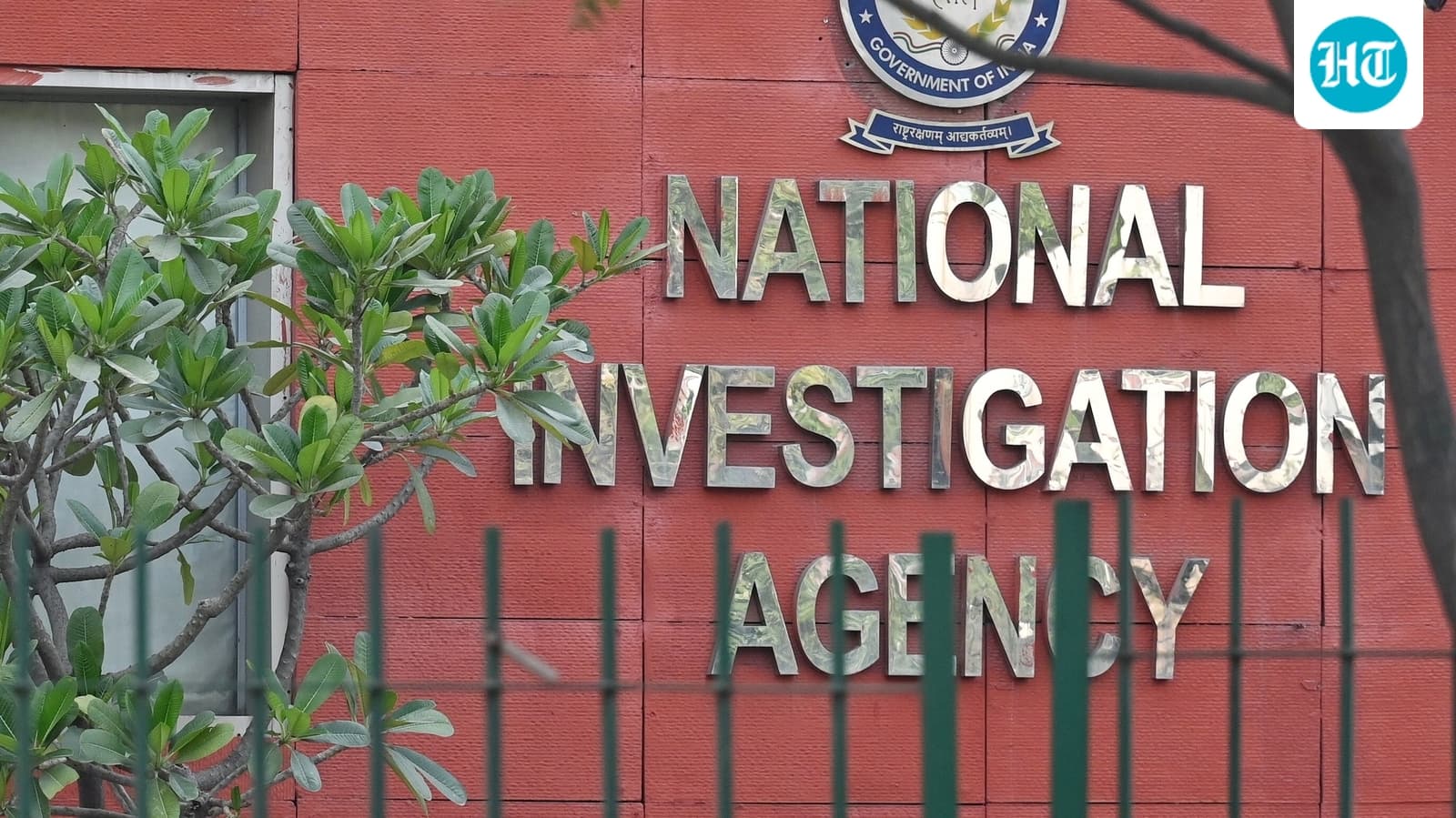
A special court in Delhi has found prima facie evidence of a broader plot to overthrow the Indian state and enforce Sharia law by 2047.
In a significant legal development regarding the crackdown on the banned Popular Front of India (PFI), a special NIA court in Delhi has ordered the framing of charges against 26 of its top leaders. Special Judge Prashant Sharma, presiding over the Patiala House courts, ruled that there is “grave suspicion” of a coordinated conspiracy involving the organization’s National Executive Council (NEC) to dismantle India’s secular democratic framework.
The 2047 Agenda
The court’s order highlights a chilling roadmap allegedly drafted by the outfit, which sought to establish an Islamic caliphate in India by the year 2047. According to the observations made during the proceedings, the accused did not act as isolated individuals but as part of a structured hierarchy working toward a common objective: an armed struggle against the state. The court explicitly noted that the PFI itself—treated as a juristic person—will also face charges for its role in these activities.
The list of those facing trial includes prominent figures within the organization’s leadership, such as PFI chairman OMA Salam and vice-chairman EM Abdul Rahman. Prosecutors argued, and the court concurred, that the evidence suggests a multi-layered operation. This ranged from high-level strategic direction provided by the NEC to execution at the state level, which allegedly included terror funding, targeted recruitment, arms training, and providing organizational support to the global terror group ISIS.
Legal Implications and Next Steps
The charges to be formally framed include serious offenses under the Unlawful Activities (Prevention) Act (UAPA) and the Indian Penal Code (IPC). Specifically, the court has directed the inclusion of provisions related to criminal conspiracy, waging war against the government, and the promotion of enmity between religious groups. The accused have been summoned to appear before the court on July 10, when the formal charges will be read out.
This court order marks a critical juncture in the government’s ongoing investigation into the PFI, which was banned in 2022 following large-scale raids by the National Investigation Agency (NIA). By recognizing the PFI as a collective entity capable of committing such grave crimes, the judiciary has set a significant precedent for how extremist organizations are prosecuted under India's counter-terror laws. The legal focus remains on dismantling the ideological and financial networks that the NIA alleges were designed to undermine national sovereignty.
The PoliticalPedia Editorial Desk brings verified, sourced political news and analysis from across India.