New EPFO 2026 Rules: Why Bureaucrats Are Now Personally Liable for Your Delayed PF Claims
EPFO's new social security rules tighten claim timelines, mandate digital compliance
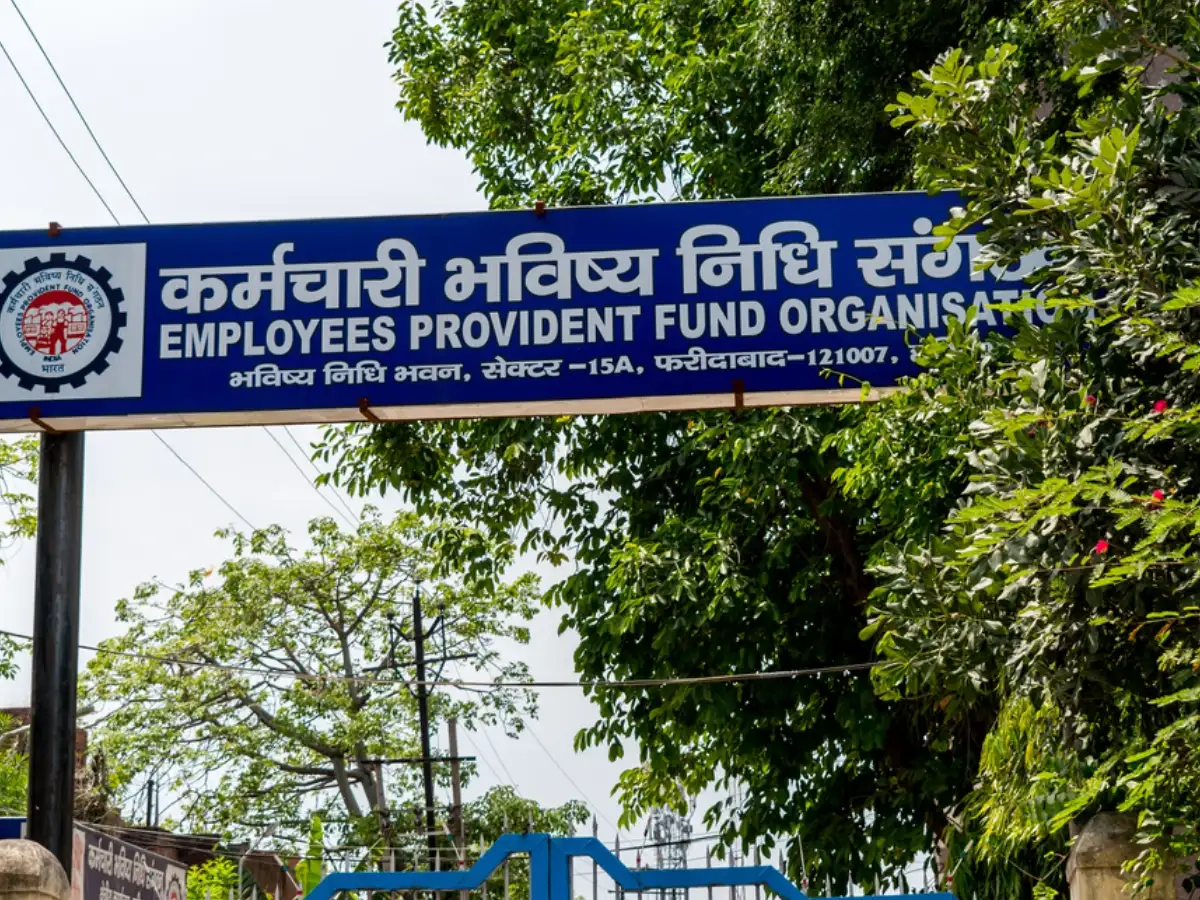
The government has overhauled the Employees' Provident Fund framework, replacing legacy rules with a digital-first mandate that imposes a 12% penal interest on officials for processing delays.
For millions of Indian employees, the कर्मचारी भविष्य निधि (Employees' Provident Fund) has long been a source of both financial security and administrative frustration. While the corpus is a vital safety net, the process of accessing it has often been mired in bureaucratic red tape. That is set to change. The Ministry of Labour and Employment has officially notified the 2026 schemes, effectively replacing the existing framework governing provident fund, pension, and insurance payouts under the new Code on Social Security.
The 20-Day Clock and Accountability
The most significant shift in this scheme is the move toward strict accountability. Under the new rules, officials at the EPFO will be held personally responsible if a claim—complete in all respects—is not settled within 20 days. If a Commissioner fails to meet this deadline without a valid reason, they face a penal interest of 12 per cent per annum. Crucially, this penalty is not just a departmental statistic; the notification explicitly states that this amount will be deducted directly from the Commissioner's salary.
This marks a departure from the previous, softer approach where officials were only liable for the declared interest rate on delayed settlements. By sharpening the consequences, the government is signalling a shift toward a "digital-first" service delivery model, aiming to force administrative efficiency into a system that has historically struggled with manual backlogs.
What Stays the Same
While the delivery mechanism is undergoing a digital overhaul, the core financial structure remains untouched. Employees and employers will continue to contribute 12 per cent of the basic wage toward the fund. Of the employer’s share, 8.33 per cent remains diverted to the Employees' Pension Scheme, while the government maintains its 1.16 per cent contribution. These economic constants ensure that while the compliance and speed are changing, the fundamental savings architecture remains stable for the workforce.
Why it Matters
The push for a 20-day settlement window is an admission that the existing digital infrastructure needs a more aggressive enforcement layer to function effectively. By moving from a vague threat of "delayed interest" to a direct financial hit on the official in charge, the Labour Ministry is attempting to bridge the gap between policy and practice.
For the average employee, this transition means that the "digital compliance" mandates are not just about making the user interface smoother; they are about creating a paper trail that holds the bureaucracy accountable. If the EPFO successfully implements these 2026 schemes, we could see a drastic reduction in the time it takes to process pension fixations and insurance benefits. However, the real test will be whether the internal digital infrastructure is robust enough to process the volume of claims within such a tight timeframe without compromising on the necessary verification checks.
Ananya Iyer covers global affairs with an Indian lens for PoliticalPedia.