Beyond the Viral Noise: Clearing the Air on the E20 Fuel Controversy
'No such proposal for exporting E20 petrol': Centre dismisses Bhutan E20 rejection claims
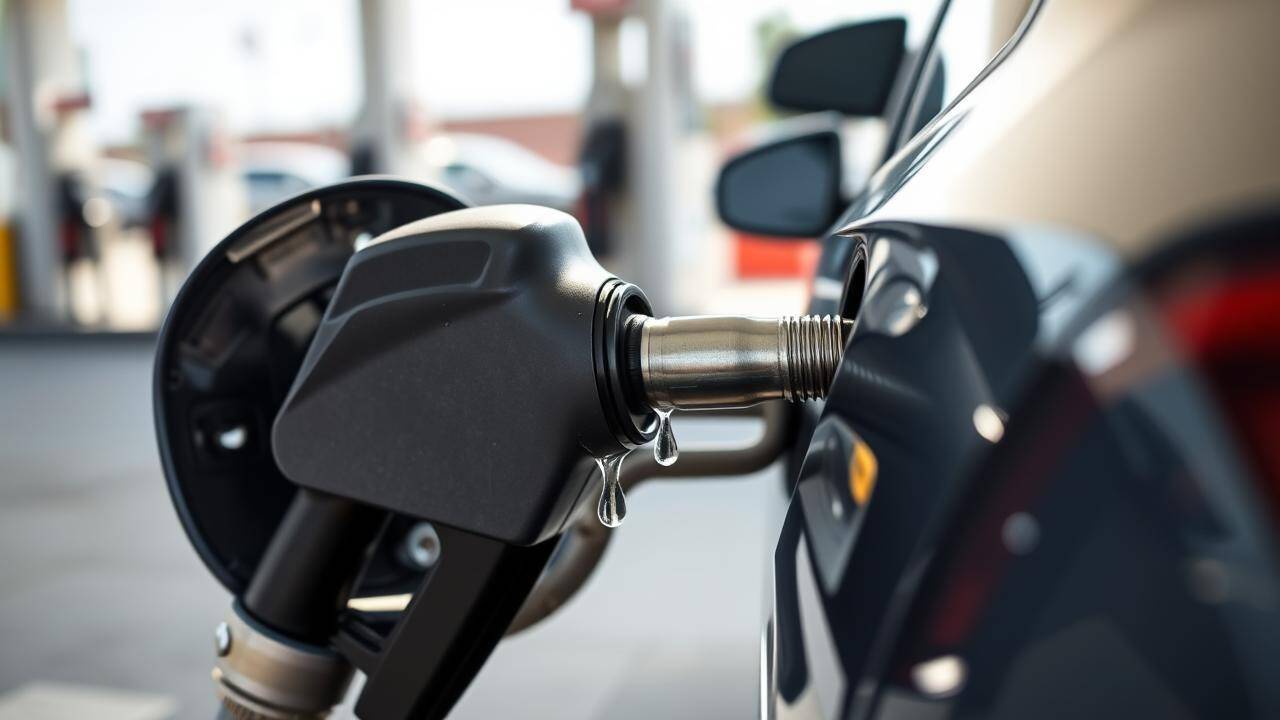
The government has officially debunked claims that neighbouring nations rejected India’s ethanol-blended petrol, clarifying that no such export offers were ever extended.
The rumour mill hit overdrive this weekend when reports began circulating that Bhutan—along with Nepal, Bangladesh, and Sri Lanka—had flatly rejected India’s E20 petrol. The narrative, amplified rapidly on social media, suggested a diplomatic and technical snub against the country’s aggressive push for ethanol-blended fuel. However, the Ministry of Petroleum and Natural Gas (MoPNG) has stepped in to stop the speculation, categorically stating that no such proposal for the export of E20 petrol to Bhutan was ever initiated by India’s Oil Marketing Companies (OMCs).
Fact-Checking the Fuel Narrative
The confusion appears to have stemmed from political commentary, specifically a post from Congress Kerala on X, which claimed these neighbouring countries had said "no" to the fuel blend. The government’s ministry was quick to label these reports as incorrect. In a clear business-side clarification, officials stated that since there was never an offer made to these nations, the question of a rejection is moot. They have urged the public to rely solely on official communications from the ministry and the OMCs rather than unverified viral claims.
Why the Tech Matters
Behind the diplomatic chatter lies the broader rollout of E20—a blend of 20% ethanol and 80% petrol. As the fuel hits pumps across the country, public anxiety regarding engine performance has been palpable. The Ministry of Information and Broadcasting (MIB) has pushed back against these concerns, highlighting that the fuel’s introduction was the result of rigorous laboratory and field testing by India’s top technical institutions, including ARAI and the Indian Institute of Petroleum (IIP).
The government maintains that this is not a case of fuel adulteration, but a scientifically formulated standard similar to practices in countries like Brazil. Officials have also addressed consumer fears regarding vehicle warranties, clarifying that using approved E20 fuel does not automatically void manufacturer guarantees, provided the vehicles are aligned with the new blending standards.
The Bigger Picture: Understanding the Noise
Why does this story matter beyond the immediate correction? In an era where energy policy is inextricably linked to national infrastructure, misinformation about fuel quality can cause significant economic ripple effects. The intensity of the reaction suggests a high level of consumer sensitivity toward the E20 transition. When technical shifts are communicated poorly, or when political rhetoric fills the vacuum left by official data, public trust in long-term energy projects becomes the first casualty. For the centre, the challenge lies in ensuring that the science of the Ethanol Blended Petrol Programme is not buried under a mountain of digital hearsay.
Kabir Sharma writes on culture, technology and everyday life for PoliticalPedia.