New Delhi and Kathmandu Eye Fresh Start: Nepal Seeks ‘Transformative’ Bilateral Ties with India
India, Nepal discuss ways to take forward bilateral ties, development cooperation
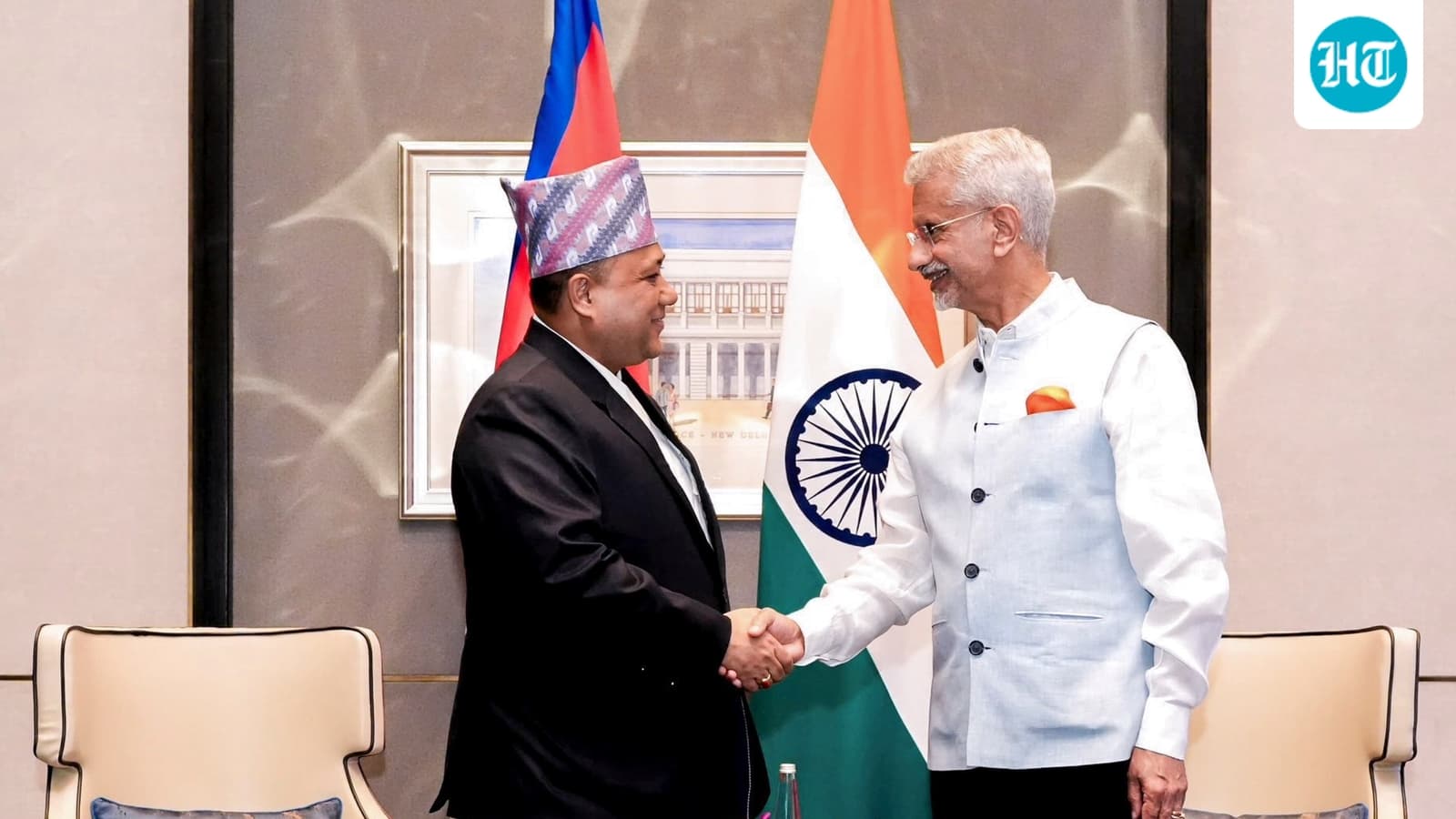
Visiting Foreign Minister Shisir Khanal arrives in New Delhi with a mandate for result-driven diplomacy, signaling a clean slate for India-Nepal development cooperation.
The winds of political change in Kathmandu are blowing toward New Delhi, as Nepal’s newly minted government moves to redefine its relationship with its largest neighbor. Fresh off a sweeping electoral mandate, Nepalese Foreign Minister Shisir Khanal arrived in India this week, carrying a clear message: the new administration intends to leave behind the friction of the past to focus on a future driven by economic growth and pragmatic diplomacy.
A Mandate for Change
The visit follows a significant political upheaval in Nepal, where the Rastriya Swatantra Party (RSP)—led by Rabi Lamichhane—emerged as a major force following the rise of a younger generation of voters. This shift, which analysts describe as a "Gen Z" reaction against entrenched political norms, has paved the way for a reset in regional relations. Khanal’s arrival, occurring just days after a high-profile visit by Lamichhane, underscores a concerted effort by the new regime to prioritize the India-Nepal partnership.
During his meeting with External Affairs Minister S. Jaishankar on Saturday, Khanal was explicit about the intent of the current leadership. "We carry no old baggage," the Foreign Minister remarked, emphasizing that the new government is committed to a genuinely transformative relationship. He noted that Kathmandu views its ties with India not merely as a diplomatic formality, but as an essential pillar for the country's own economic transformation.
Broadening the Agenda
While traditional pillars of the relationship—such as trade, transit, and energy—remained central to the talks, both sides signaled an intent to pivot toward 21st-century sectors. Jaishankar highlighted that while the foundation of the partnership remains deeply rooted in shared cultural and religious traditions, there is a timely opportunity to expand into modern domains. Startups, artificial intelligence, and information technology were identified as key areas where the two nations could bridge their economies more effectively.
For India, the outreach is significant. By engaging early with the new government in Kathmandu, New Delhi aims to solidify its status as a reliable partner in Nepal’s development journey. The discussions also touched upon regional and multilateral issues, reinforcing the view that the two countries are inextricably linked as stakeholders in a shared civilization.
The Road Ahead
The emphasis on "result-driven diplomacy" marks a distinct departure from the rhetoric of previous years. By focusing on connectivity and cross-border cooperation, both nations are attempting to move beyond historical grievances. As the two sides look to take forward their bilateral agenda, the focus remains on tangible outcomes that can benefit the citizens of both countries.
This diplomatic maneuver suggests that the relationship is entering a phase of pragmatic stability. With both New Delhi and Kathmandu expressing a desire to fast-track development cooperation, the upcoming months will likely see a flurry of activity aimed at turning these high-level discussions into concrete policy shifts.
The PoliticalPedia Editorial Desk brings verified, sourced political news and analysis from across India.