NEET-UG 2026: NTA Shifts to ‘Zero Trust Architecture’ to Prevent Future Paper Leaks
NEET-UG 2026: What is NTA’s ‘Zero Trust Architecture’ for securing exam question papers? Here’s what NTA is planning
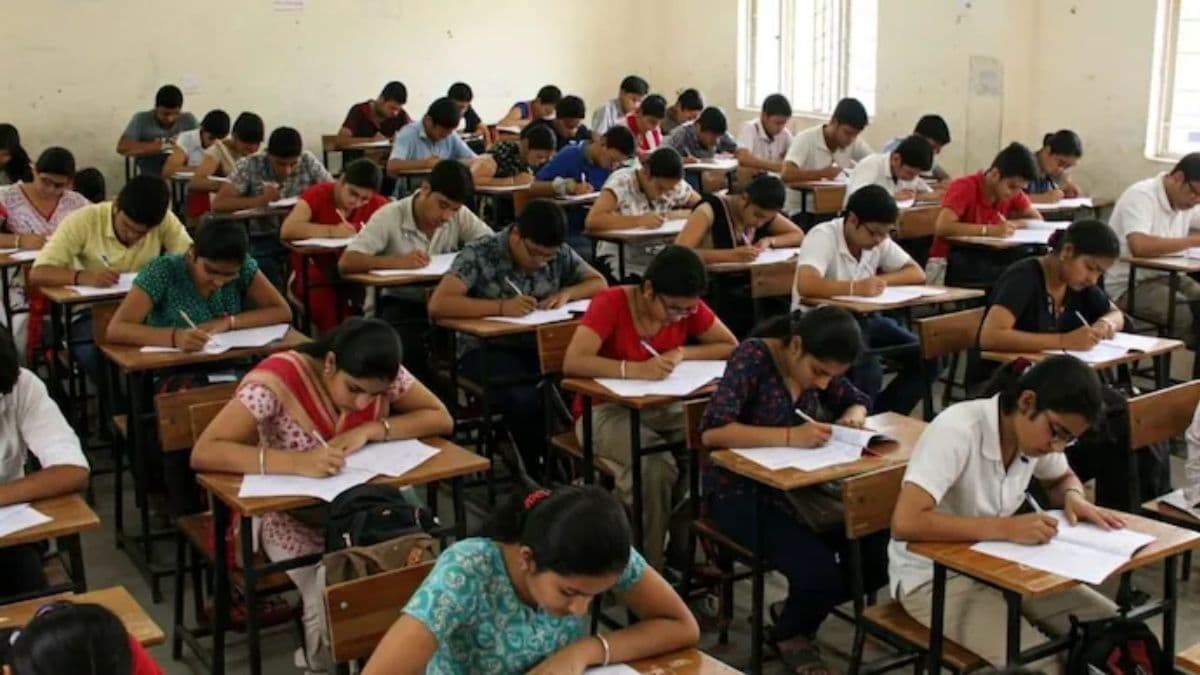
Following the fallout of the NEET-UG 2026 paper leak, the National Testing Agency is overhauling its security protocols by automating question paper generation and removing individual human oversight.
The National Testing Agency (NTA) is dismantling its traditional examination framework in a bid to restore credibility after the May 3 NEET-UG 2026 exam was cancelled due to widespread allegations of a paper leak. With a crucial re-examination scheduled for June 21, the agency is now under immense pressure to prove that its systems can withstand the organised cheating networks that targeted the previous test. The central pillar of this reform is the adoption of a "Zero Trust Architecture," a design philosophy that replaces reliance on individual human experts with automated, compartmentalized processes.
Dismantling the Human Element
Under the existing setup, subject matter experts are tasked with drafting questions for specific examinations, a process that inherently creates a vulnerability if a single person or a small group is compromised. The proposed "Zero Trust" model aims to eliminate this risk by completely blinding the experts. In this new workflow, contributors will submit questions to a massive, centralized repository without knowing which exam—whether NEET, JEE, or others—the material is intended for. By decoupling the creation phase from the specific testing event, the NTA hopes to ensure that no single individual possesses the comprehensive information required to orchestrate a leak.
The urgency for these reforms stems from the scale of the recent crisis. Investigative findings by the Rajasthan Police’s Special Operations Group (SOG) confirmed that handwritten questions circulating on messaging platforms before the May 3 exam matched sections of the actual paper. This revelation, which impacted over 22 lakh aspirants, forced the government to order a full cancellation. Sources within the agency have admitted that while the logistics of conducting a re-examination within 30 days present a "massive challenge," the current priority is to plug every loophole, including the potential for "rogue elements" to operate from within the system.
Tightening Logistics and Surveillance
Beyond the digital architecture of the question papers, the NTA has heightened its physical and surveillance protocols. Reports indicate that the agency is now monitoring social media platforms and encrypted messaging services, such as Telegram, which investigators identified as primary channels for the distribution of leaked material. To secure the upcoming June 21 test, the agency is implementing rigorous audits and cross-checking mechanisms. There have even been reports of enhanced coordination with central agencies to manage the secure transport of materials, highlighting a shift toward a more militarized logistical approach to civilian testing.
Despite these changes, the NTA has firmly cautioned students against falling for misinformation. As the June 21 date approaches, the agency has taken to social media to label recent online claims of a new "leak" or the "sale" of the re-examination paper as fraudulent. These messages, the NTA asserts, are part of a predatory strategy by cheating syndicates designed to exploit the anxiety of students and their families. For the 22 lakh candidates preparing for the re-test, the focus remains on the upcoming admit cards and city slips, even as the broader debate over the necessity of a permanent shift to computer-based testing continues to gain momentum.
The PoliticalPedia Editorial Desk brings verified, sourced political news and analysis from across India.