Nature’s Fury: How Landslides Are Severing India’s Economic Arteries
Landslide on the expressway—how are people getting through now?
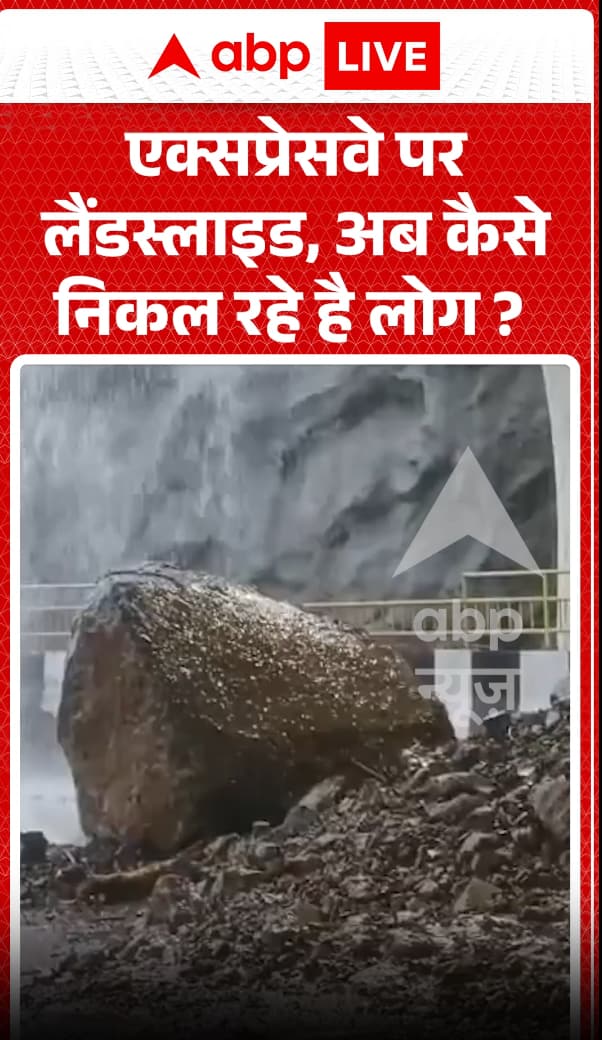
As monsoon rains intensify across the country, critical road networks are buckling under the weight of recurring landslides, leaving thousands of commuters stranded and disrupting the national supply chain.
The scenes playing out on our highways are becoming terrifyingly familiar. From the Badrinath National Highway to the Mandi-Manali route, massive boulders are crashing down slopes, turning vital transit corridors into death traps. In Himachal Pradesh, the closure of the Chandigarh-Manali highway at Banala has left hundreds of vehicles trapped, forcing tourists to spend harrowing nights on the road. This isn't an isolated event; it is a systemic breakdown. Whether it is the Srinagar-Jammu highway or the arterial links near Mumbai, the narrative remains the same: a sudden, violent shift in geography that renders our engineering infrastructure powerless.
The Viral Reality of Infrastructure Failure
If you scroll through social media, you will see a viral collection of clips capturing these disasters. One video after another shows houses razed in an instant and roads splitting open, leaving citizens to rely on candlelight as power grids fail. For the average commuter, the modal reality is simple: the highway is no longer a path to a destination, but a dialog of uncertainty. When a landslide hits, the immediate text of the situation is clear—logistics stop, emergency services are delayed, and the economic cost begins to climb. Even in urban centers, the impact is visible; from waterlogged roads outside celebrity homes to flooded bridges, the drainage and road networks are struggling to handle the sheer volume of this year's monsoon.
Why It Matters
This recurring crisis is a stress test for India’s infrastructure resilience. While road connectivity is the backbone of our economy, the frequency of these disasters suggests that our current mitigation strategies for landslide-prone zones are insufficient. We are seeing a pattern where rapid construction and heavy seasonal rains collide, often with tragic consequences. Beyond the immediate inconvenience to travelers, these closures inflate the cost of goods and perishables, creating a ripple effect across regional markets. The bigger picture is clear: we need a fundamental shift in how we design, audit, and maintain transit routes in mountainous and high-risk topography. Patchwork fixes will no longer suffice when the climate is shifting the very ground beneath our wheels.
Moving Forward
For now, restoration work is underway on several fronts, but the volatility remains high. Authorities are urging caution, yet the sheer scale of debris often dwarfs the available clearing equipment. As we watch these updates, it is worth remembering that the close of a highway is more than just a traffic jam; it is a disruption of the country's daily heartbeat. Whether you are tracking the Mumbai Pune expressway news or reports from the north, the message is the same: the monsoon has arrived, and our roads are finding it harder than ever to stand their ground.
Rohan Gupta covers the economy, markets and companies for PoliticalPedia.