Mumbai Drowns as Monsoon Fury Dumps 200mm in Eight Hours
Mumbai records over 200 mm of rainfall in 8 hours after monsoon onset
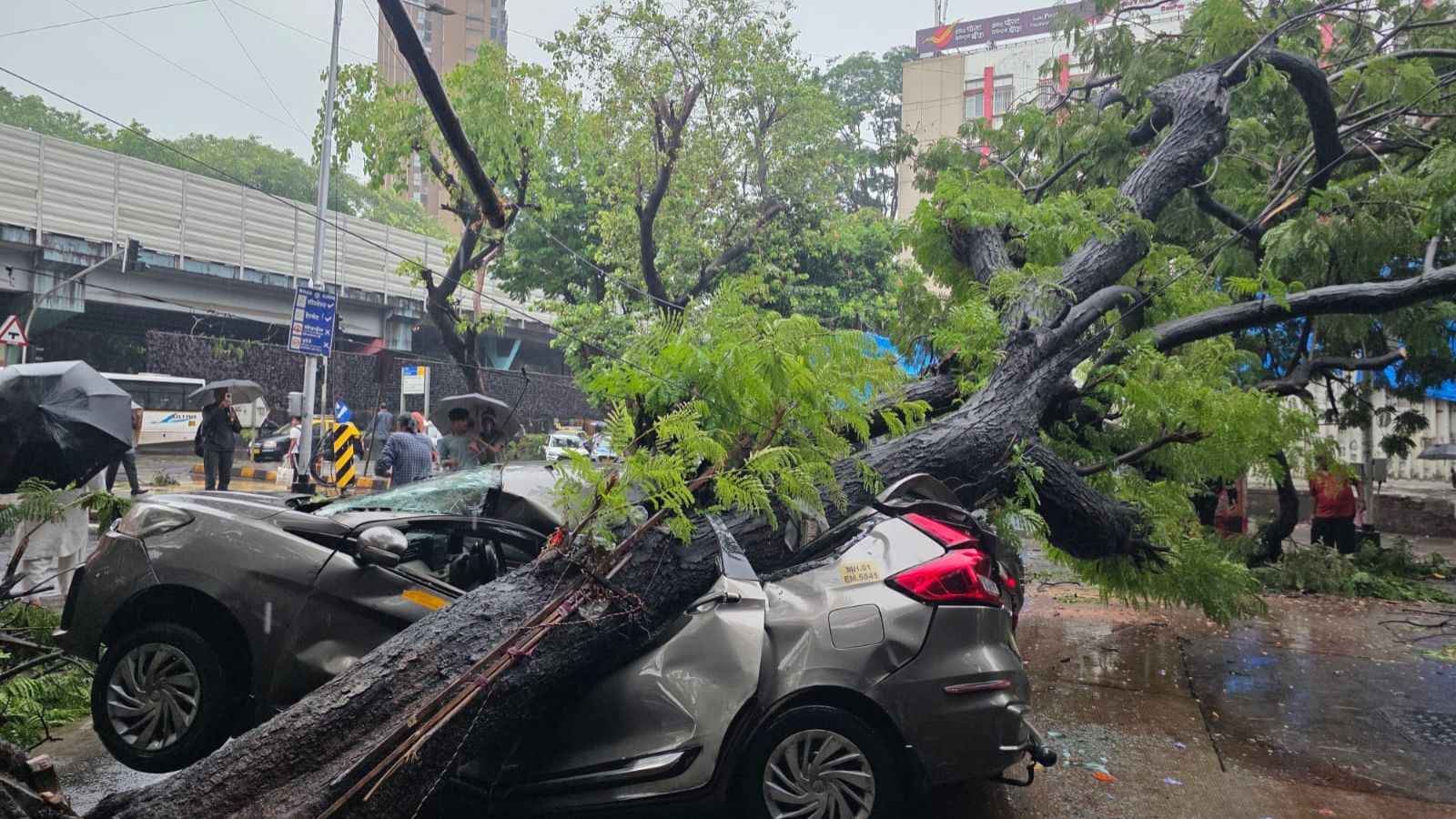
The city’s infrastructure buckled overnight as a fierce, sudden burst of monsoon rain submerged major junctions and brought early morning travel to a standstill.
The monsoon didn't just arrive in Mumbai; it surged with a ferocity that caught even the most seasoned city dwellers off guard. Between 10 pm on Tuesday and 6 am Wednesday, the metropolis recorded an astonishing 200 mm of rainfall in a mere eight-hour window. As the India Meteorological Department (IMD) officially declared the onset of the Southwest Monsoon, the sky turned dark and unleashed a deluge that turned suburban streets into rivers almost overnight.
The impact was swift and widespread. By the early hours of Wednesday, BMC automatic weather stations were flagging staggering totals: Malwani recorded 272 mm, Powai hit 248 mm, and areas like Kandivali and Malad saw over 240 mm. This intense rainfall overwhelmed the city’s drainage capacity, causing severe traffic snarls across the western suburbs and the island city. From the Andheri Subway to the Hindmata Junction and Gandhi Market, low-lying areas became virtual lakes, forcing commuters to wade through knee-deep water as the morning rush hour began.
A Rapid Escalation
The weather bureau’s response was a frantic dance of changing alerts. While the day began with a yellow alert, the intensity of the downpour triggered a red nowcast warning by 4 am for Mumbai and Palghar, signaling the threat of gusty winds and thunderstorms. By 7 am, as the pace of the rain showed signs of settling, the IMD downgraded the warning to an orange alert, though a yellow alert remains in place until Thursday morning.
The chaos was compounded by the usual vulnerabilities of the city's aging infrastructure. A large tree collapsed near Dadar TT, further obstructing already congested routes. While civic authorities deployed dewatering pumps to clear the submerged subways—successfully reopening the Andheri Subway by 5:30 am—the scene at King Circle and other flood-prone junctions highlighted the recurring struggle of the mumbai landscape during peak monsoon months.
The Bigger Picture
Why does the city seem to choke year after year? The answer lies in the intersection of climate shifts and civic readiness. While this early monsoon onset is being compared to records not seen in decades, the pattern of extreme, concentrated bursts of rain is becoming the new normal. For years, the debate has cycled between incomplete desilting, roads torn up for various utility projects, and the sheer volume of water outstripping the city's colonial-era storm drainage systems.
The mumbai rains weather situation serves as a stark reminder that early monsoon arrivals are no longer just meteorological events; they are stress tests for the city’s urban planning. When 69% of a monthly average falls in just a few days, it exposes the limits of civic maintenance. As the monsoon progresses, the focus now shifts from the initial shock of the onset to how the administration manages the weeks of sustained rainfall that lie ahead, and whether the lessons of these flooded mornings will lead to more robust infrastructure before the next heavy spell hits.
Arjun Mehta reports on government, policy and Parliament for PoliticalPedia, in English and Hindi.