MSMEs Weathering the Storm: ECLGS 5.0 Crosses Rs 1.55 Lakh Crore in Guarantees
ECLGS 5.0 crosses 4.11 lakh guarantees, extends Rs 1.55 lakh crore support to firms hit by West Asia crisis
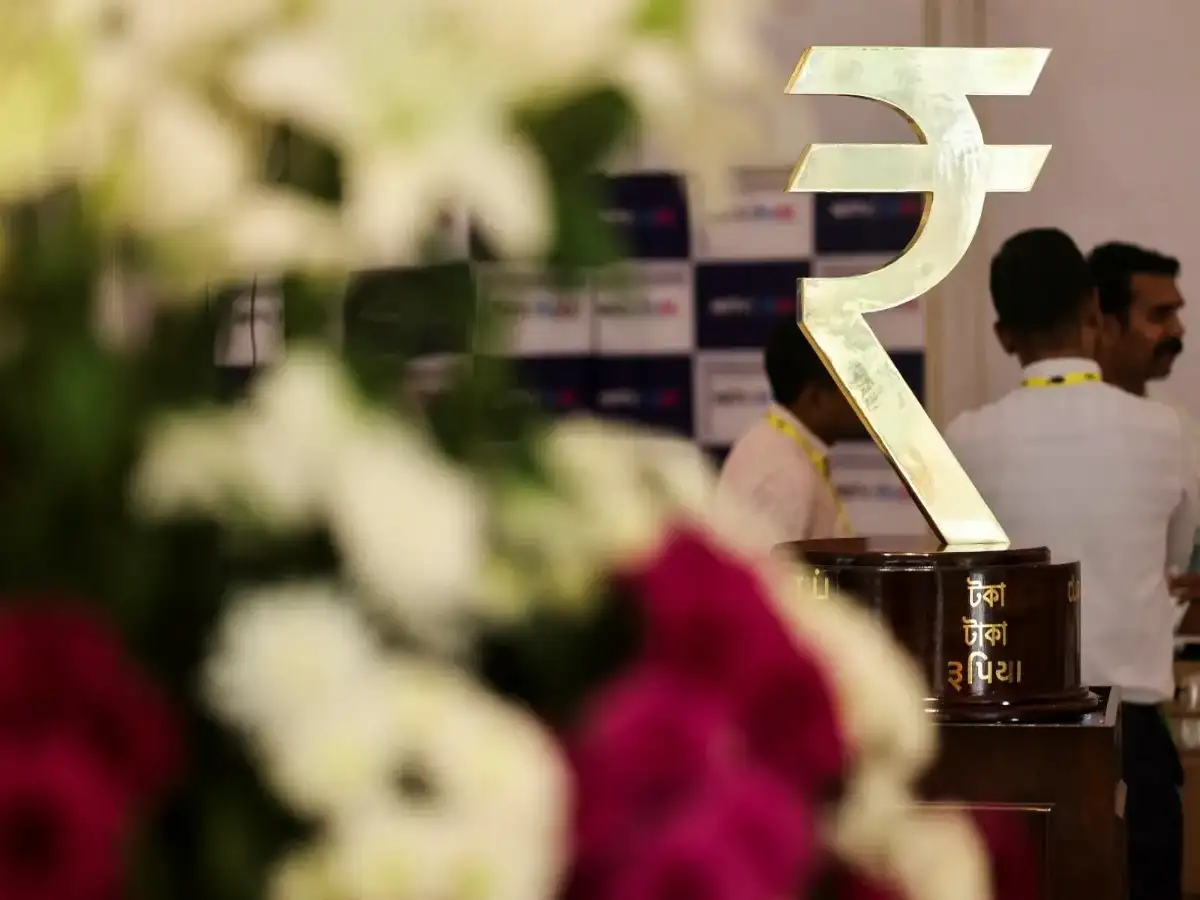
As the West Asia crisis disrupts supply chains, India’s emergency credit scheme provides a vital liquidity lifeline to over 4.11 lakh businesses.
The geopolitical volatility emanating from West Asia has sent ripples through global trade, but for India’s small-business backbone, a familiar safety net is proving its worth once again. Since its launch in May 2026, the fifth iteration of the Emergency Credit Line Guarantee Scheme (ECLGS) has rapidly scaled, issuing over 4.11 lakh individual guarantees. These efforts have funneled Rs 1.55 lakh crore in crucial support into an ecosystem struggling with sudden cash-flow disruptions.
Data from the Finance Ministry highlights a clear focus on the grassroots economy. Micro, Small, and Medium Enterprises (MSMEs) have been the primary beneficiaries, securing 98 per cent of the total guarantees issued. In terms of financial weight, these smaller firms account for 82 per cent of the total guaranteed amount, underscoring the government's intent to protect the most vulnerable segments of the corporate value chain from external shocks.
How the Mechanism Works
The scheme is designed to de-risk the lending process, allowing banks to extend credit with greater confidence during uncertain times. By providing a 100 per cent sovereign-backed guarantee on additional loans for MSMEs—and 90 per cent for other qualifying business segments—the government has successfully encouraged member lending institutions to keep credit lines open. The ultimate target for this liquidity infusion is set at Rs 2.55 lakh crore, a figure that officials believe is well within reach as the scheme’s outreach efforts intensify.
To ensure this capital actually reaches the intended entrepreneurs, the Department of Financial Services has moved beyond mere policy drafting. A multi-phase nationwide outreach drive is currently in motion, involving State Level Bankers' Committees, the National Credit Guarantee Trustee Company, and local industry associations. With the first phase having already connected with borrowers across nine locations, the ongoing second phase is working to bridge the information gap for businesses in 10 additional regions.
The Bigger Picture: Why It Matters
For the Indian economy, the success of ECLGS 5.0 is more than just a balance sheet figure; it is a tactical response to a global crisis that threatened to choke domestic production. By ensuring that liquidity remains accessible even when traditional risk appetites shrink, the scheme acts as a stabilizer. It prevents short-term, crisis-induced cash crunches from turning into long-term insolvency for viable, productive enterprises.
Looking ahead, the momentum behind these guarantees suggests that the government is leaning heavily on the "cushioning" strategy to maintain industrial output. As long as the regional tensions in West Asia continue to cast a shadow over energy costs and logistics, this credit support will remain a cornerstone of India's economic resilience. It demonstrates a pivot toward a more responsive credit ecosystem—one that stands ready to deploy capital exactly where the market is most likely to fracture.
Ananya Iyer covers global affairs with an Indian lens for PoliticalPedia.