Monsoon Session Showdown: Is the BJP Finally Poised to Clear the Women’s Reservation and Delimitation Bills?
TMC-DMK की उथल-पुथल में परिसीमन बिल पास कराने के कितने करीब बीजेपी?
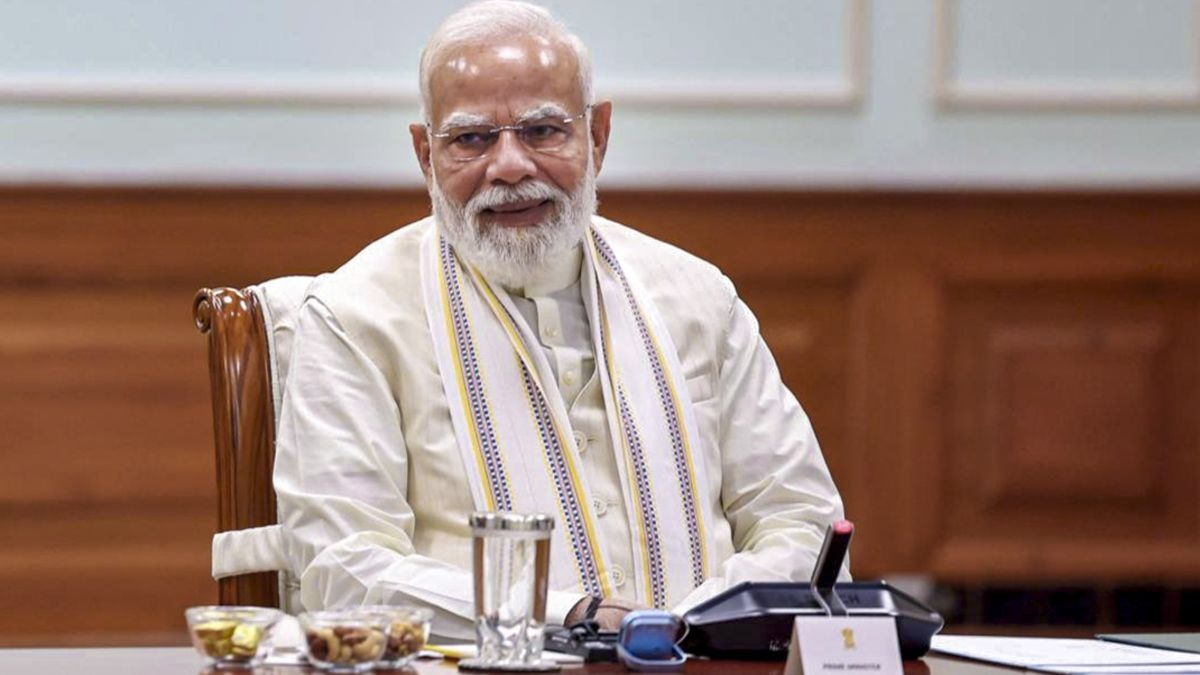
With the political landscape in West Bengal and Tamil Nadu shifting, the Centre is eyeing a second attempt to pass the landmark constitutional amendments that once stalled.
For the Modi government, the failure of the Women’s Reservation and Delimitation bills in the previous session was a rare, stinging tactical setback. For the first time in 12 years, a government-sponsored constitutional amendment bill collapsed on the floor of the House, garnering 298 votes against 230—falling short of the required threshold. At the time, the opposition’s success was largely anchored by the defiance of the TMC and the DMK. But as the monsoon session approaches, the ground beneath these regional powerhouses has shifted, potentially tilting the numbers back in the Centre’s favour.
The political survival of both parties is currently under intense scrutiny. In West Bengal, the TMC is grappling with a wave of internal dissent, as a steady exodus of legislators and parliamentarians threatens to erode the party's once-formidable cohesion. Meanwhile, the DMK’s recent electoral displacement in Tamil Nadu has left its leadership visibly rattled. With the AIADMK also failing to reclaim power—leaving the state’s political landscape in a state of flux—the regional bloc that once successfully thwarted the government’s legislative agenda appears significantly weakened.
The Numbers Game
The government’s primary objective remains the passage of the 33% Women’s Reservation Bill, which is inextricably linked to the Delimitation Bill to ensure a structural overhaul of Lok Sabha constituencies. After the initial defeat, the BJP leadership didn’t just move on; they viewed the outcome as a mission left unfinished. Sources indicate that the party has been proactively reaching out to regional allies and fence-sitters, sensing an opening in the wake of the opposition’s fragmentation.
The exit of AAP’s seven MPs from the broader opposition fold has sent ripples of anxiety through the remaining anti-BJP ranks. This vacuum allows the Centre to navigate the monsoon session with more leverage than it had during the last attempt. While the opposition previously celebrated the bill’s failure as a litmus test of their collective strength, the current climate suggests that the BJP is calculating a more favourable arithmetic this time around.
Why It Matters
This isn't just about legislative business; it is a signal of the changing power dynamics between New Delhi and the states. When a government pushes for delimitation, it directly touches the nerves of regional parties who fear a loss of political weight. The previous defeat was a rare instance where regional identity politics successfully stalled a core ideological promise of the ruling party. Should the BJP succeed in this session, it will not only secure a historic legislative victory but also demonstrate that the current political landscape—marked by the decline of traditional regional strongholds—is increasingly receptive to the Centre's centralizing agenda.
Whether the government can effectively bridge the gap between its current support base and the two-thirds majority required for a constitutional amendment remains the defining question of the upcoming session. The TMC and DMK, once the architects of a successful blocking strategy, are now fighting for their own political relevance. As the primary research suggests, the window for the BJP to push its agenda is wider than ever, yet the high stakes of constitutional reform ensure that every vote will remain fiercely contested.
Priya Nair covers parties, elections and the business of power for PoliticalPedia.