Monsoon Nears Delhi-NCR: IMD Predicts Rain Likely Over Next Few Days
Weather Today LIVE: Monsoon Nears Delhi-NCR, Rain Likely Over Next Few Days
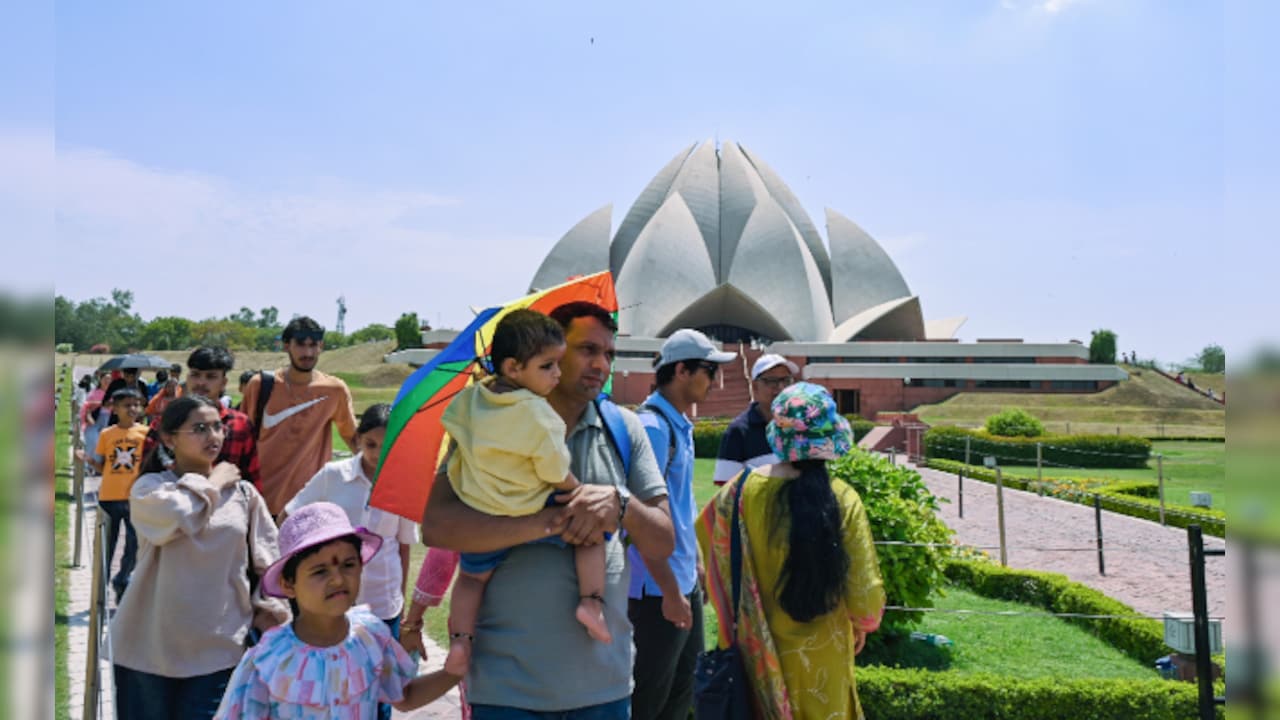
As the monsoon gains momentum across the country, the capital braces for a wet spell while regional crises, from infrastructure hurdles to agricultural distress, continue to test policy resilience.
The skies over Delhi-NCR are finally shifting. After weeks of fluctuating temperatures and heatwave warnings, the India Meteorological Department (IMD) reports that the monsoon is closing in on the capital, with rain likely over the next few days. This transition arrives as a relief for a city currently navigating the precarious rise of the Yamuna River, which is inching toward the danger mark, forcing authorities to stay on high alert.
Across the country, the weather narrative remains fractured. While the IMD monitors the monsoon’s advance into Madhya Pradesh, Bihar, and East Uttar Pradesh, other regions are grappling with the stark reality of climate volatility. In Tamil Nadu, the Madurai mango belt is witnessing a grim agricultural crisis, where farmers are abandoning their harvests as prices have plummeted to a dismal Rs 3 per kg. It is a reminder that even as the rains bring the promise of replenishment, the economic backbone of rural India remains vulnerable to supply chain and price-point collapses.
Infrastructure vs. Ecology
Policy decisions are also under intense scrutiny this week. The Bombay High Court has cleared the path for the cutting of mangroves to facilitate the Vadhvan Port project in Palghar, Maharashtra. While the government positions the port as a critical infrastructure asset for India’s maritime trade, environmental groups have long voiced concerns about the permanent loss of coastal buffers. It is a classic development-versus-environment tug-of-war that underscores the difficulty of balancing industrial ambition with ecological preservation.
The Human Element
Beyond the headlines on weather and policy, the national news cycle is dominated by the disturbing developments in the Pune fort murder case. The parents of the accused, Siya Goyal, have made startling public remarks, suggesting the law should take its course with severe finality if their daughter is proven guilty. As investigators piece together the testimony—including claims that the victim, Ketan Agarwal, was desperate to avoid calling off their wedding—the case has become a grim focal point of social discourse, shifting the conversation away from policy and toward the darker complexities of personal relationships.
Why it matters
The current news cycle presents a snapshot of a nation in transition. The meteorological shifts, the industrial projects in Maharashtra, and the tragic crime in Pune might appear disparate, but they collectively highlight the friction between rapid growth and societal stability. Whether it is the infrastructure sector bracing for the monsoon or farmers struggling with price crashes, the underlying theme is a need for more robust, responsive governance. As the capital prepares for the rains, the broader challenge remains: managing the systemic volatility—climatic, economic, and social—that defines modern India.
Arjun Mehta reports on government, policy and Parliament for PoliticalPedia, in English and Hindi.