From Delhi’s Pulse to Gurugram’s Silence: The Urban Disconnect
Delhi Resident Misses City Chaos After Moving To Gurugram: 'Feels Less Connected Here'
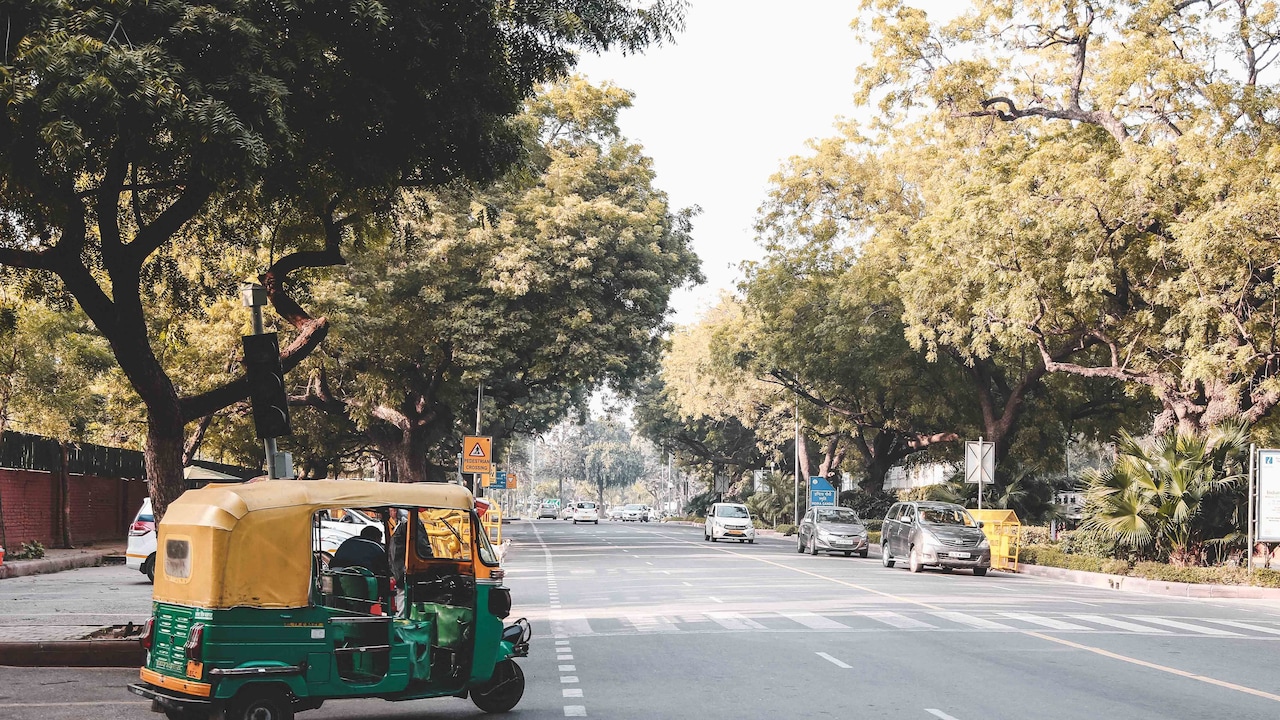
Moving from the capital’s heart to the gated quiet of its satellite neighbor often brings an unexpected case of the blues.
The transition from Delhi to Gurugram is rarely just about a change of address. It is a shift in rhythm. For the average delhi resident misses city life, the move often feels like stepping out of a crowded, vibrant bazaar into a high-security bunker. While the capital hums with the daily friction of protest, policy, and pedestrian chaos, the move to Gurugram—often fueled by the promise of modern infrastructure—frequently leaves a newcomer feeling marooned. It is a common refrain: "It feels less connected here," a sentiment rooted in the loss of that tangible, gritty proximity to the machinery of power and the raw energy of urban density.
The chaos after moving to the Millennium City is of a different variety. In Delhi, chaos is organic—an intersection of neighborhoods, bureaucracy, and history. In Gurugram, it is structural. The transition from the chaotic, connective tissue of central Delhi to the isolated, high-walled enclaves of the outskirts creates a psychological distance that even the best road networks cannot bridge. For those used to the unplanned, human-centric nature of the capital, the antiseptic efficiency of the suburb can feel like a vacuum.
The Bigger Picture: Why It Matters
This shift reflects a growing tension in modern Indian urbanization. We are seeing a pattern where our growth centers—whether they are the industrial corridors of Uttar Pradesh chasing a $1 trillion dream or the tech-hubs of the NCR—often struggle to replicate the social fabric of older cities. While policymakers focus on economic output and infrastructure, the "connective" aspect of city living is frequently neglected.
When a resident feels disconnected, it isn't just a personal grievance; it is a signal that our urban planning is prioritizing transit-oriented development over community-oriented living. The lack of organic interaction in the sprawling suburbs of Gurugram isn't a bug; it is a design choice that is fundamentally altering how we experience citizenship and neighborliness in India's expanding urban landscape.
A Nation in Flux
Beyond the personal stories of displacement, the country is currently navigating a period of significant scrutiny. From the high-stakes investigations into the Ram Temple donation row, where bank staff and attendants find themselves under the lens for alleged financial irregularities, to the persistent, nagging fear of a weak monsoon threatening our economic stability, the national mood is one of watchful waiting.
Even in our pursuit of growth, the fissures are visible. Whether it is the exclusion of women from the formal growth story of our largest states or the persistent, ingenious attempts to bypass customs—like the recent gold smuggling arrests at Hyderabad airport—these events serve as a backdrop to our daily lives. They remind us that while we reach for global economic milestones, the fundamental challenges of equity, integrity, and connectivity remain our most pressing, and often most overlooked, domestic issues.
Priya Nair covers parties, elections and the business of power for PoliticalPedia.