Monsoon Fury: Track Cave-ins and Power Failures Bring Mumbai to a Standstill
Tracks cave in, trains stall, buses break down as monsoon rain disrupts Mumbai
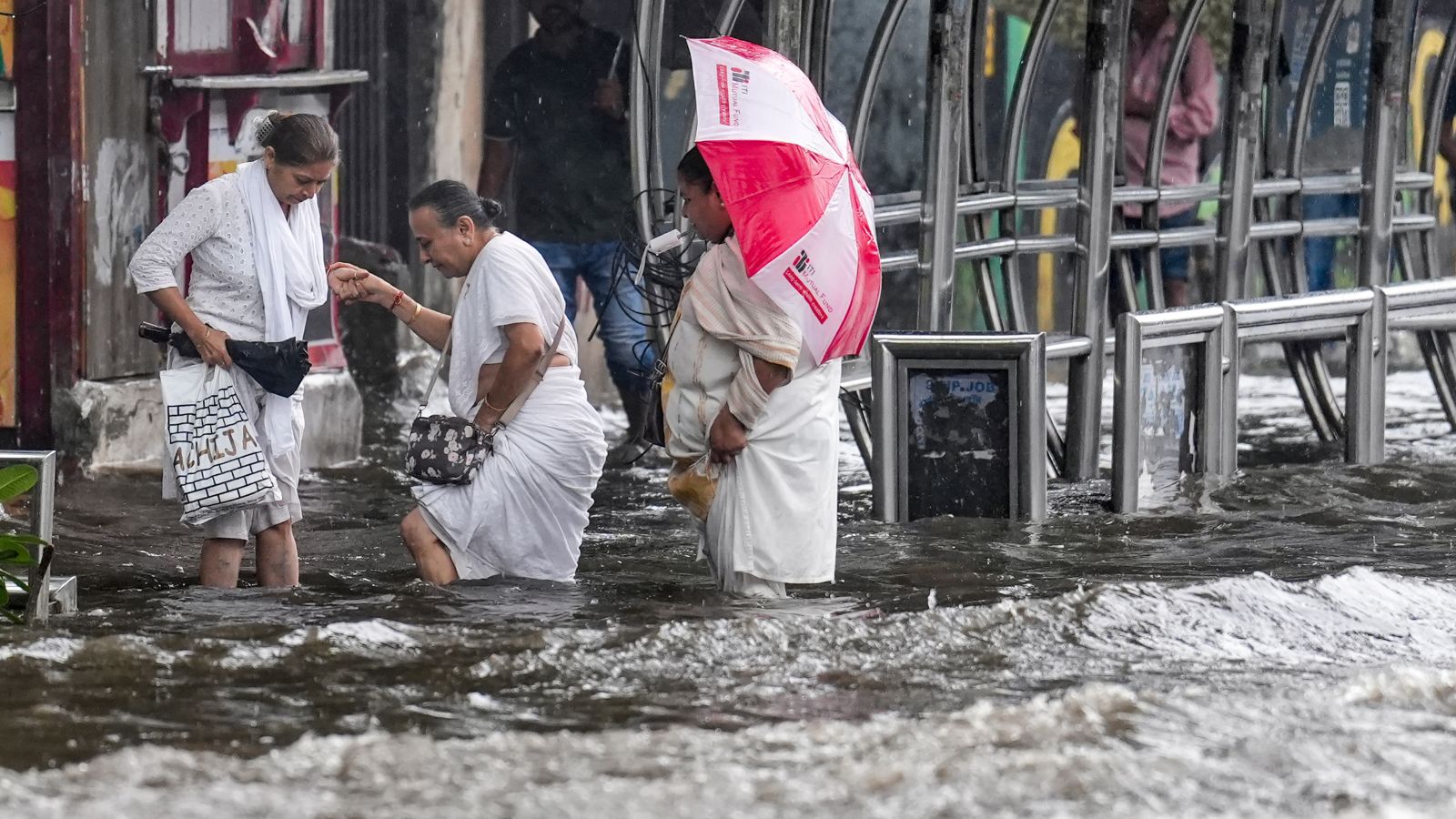
As torrential rains lash the city, the suburban railway network grapples with infrastructure failures, leaving thousands of commuters stranded during peak morning hours.
The morning rush hour in Mumbai turned into a logistical nightmare on Wednesday as relentless monsoon showers exposed deep-seated vulnerabilities in the city’s transport lifeline. For thousands of office-goers, the commute between Thane and Navi Mumbai hit a dead end when soil and ballast beneath the tracks caved in between Turbhe and Koparkhairane stations. The collapse forced a complete suspension of services on the Trans-Harbour line for nearly two hours, trapping passengers in stalled trains and on crowded platforms from 5:50 am.
Cascading Disruption Across the Network
While engineering teams scrambled to stabilize the track bed and restore safe operations by 7:35 am, the damage to the schedule was already done. The incident, which disrupted 12 services, triggered a domino effect of delays across the entire suburban network. Across the city, the struggle continued: Central Railway’s main line saw waterlogging at Matunga, while the Western Railway faced similar challenges near Dadar and Matunga Road stations. To add to the chaos, a tree fall between Churchgate and Marine Lines caused a fire after striking overhead wires, further complicating travel for those relying on the western corridor.
The Preparedness Paradox
The irony of the day’s events was not lost on the public. Despite claims of extensive pre-monsoon desilting and drain-cleaning conducted by the railways as late as May, social media was flooded with videos of submerged platforms, notably at Bhandup station. For the daily commuter, the sight of water-logged tracks and the resulting 15 to 20-minute delays serves as a grim reminder that the city’s infrastructure remains perpetually reactive rather than resilient. While authorities managed to clear accumulated water at key junctions, the morning’s systemic failures point to a larger gap between maintenance budgets and ground reality.
Why it matters
The recurring nature of these disruptions highlights the increasing volatility of Mumbai’s urban infrastructure in the face of intense, concentrated rainfall. When core transit arteries—which move millions daily—fail at the first sign of a heavy downpour, the economic and social cost to the city is immense. Beyond the immediate inconvenience, these incidents raise critical questions about the efficacy of current monsoon preparedness models. As the city continues to expand, relying on legacy drainage systems and aging track foundations will likely lead to more frequent gridlock, requiring a shift toward more robust, climate-resilient engineering rather than temporary, seasonal fixes.
Arjun Mehta reports on government, policy and Parliament for PoliticalPedia, in English and Hindi.