From Rafale Audits to the 'Operation Sindoor' Row: The Accountability Paradox
Anand Ranganathan on Operation Sindoor Debate | Rafale Allegations, Accountability & More | Watch
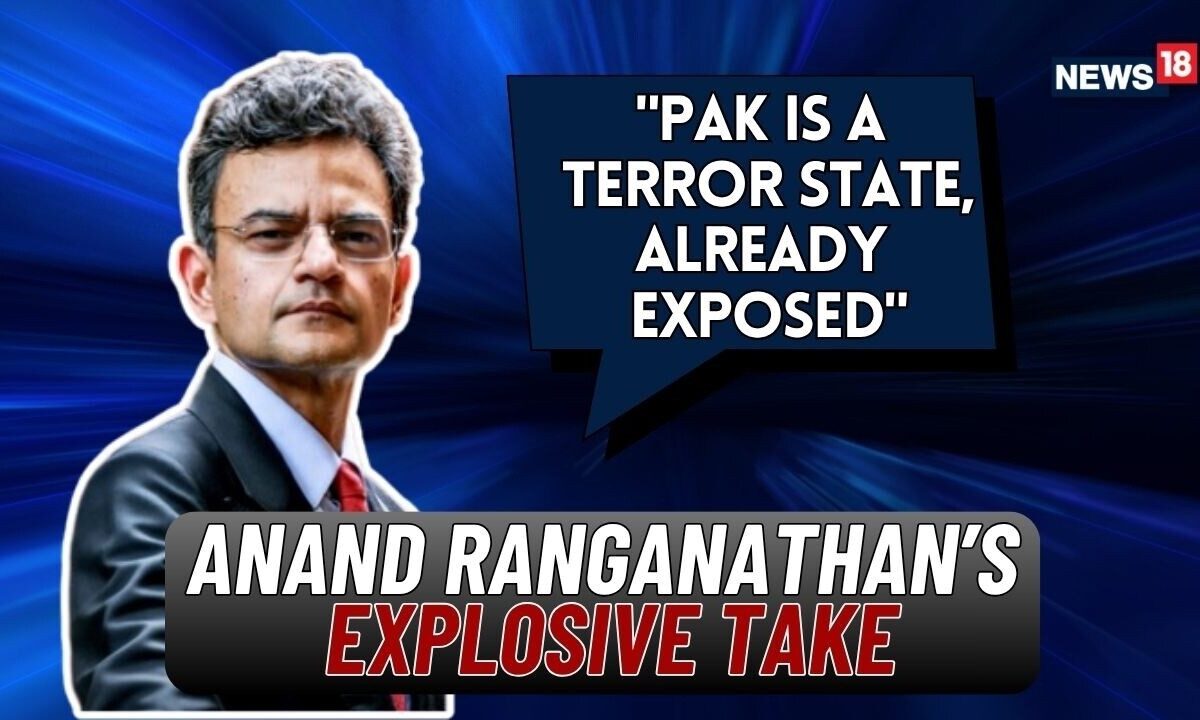
As heated debates erupt over defence transparency and local criminal investigations, the growing demand for public scrutiny is reshaping the national discourse.
The corridors of power and the digital town square are currently colliding, marked by intense scrutiny over legacy defence contracts and fresh questions regarding judicial accountability. A recent, high-voltage Operation Sindoor debate—featuring vocal commentator Anand Ranganathan—has brought these simmering tensions to the fore. Whether it is renewed Rafale allegations or the public hunger for institutional accountability, the national mood has shifted toward a demand for granular, real-time answers.
The Defence Narrative
The latest discourse surrounding the Rafale tender has reignited long-standing questions about procurement protocols. When experts like Ranganathan weigh in on platforms like News18, the conversation moves beyond mere technical specifications. The focus has shifted toward the "why" and "how" of government transparency. For the average citizen, these terms often feel abstract, yet they remain tethered to the broader theme of how India manages its strategic assets and public funds.
Beyond the Headlines
While the corridors of New Delhi grapple with policy, the streets are equally volatile. The Ketan Agarwal case, specifically the assertions made by the father of the accused, Chetan, adds a sobering layer to our news cycle. Claims that the accused is being "falsely framed" highlight the deep-seated skepticism that often permeates police investigations. It serves as a reminder that the demand for accountability is not limited to high-level Rafale allegations; it is a grassroots expectation for fairness in the criminal justice system as well.
Why it Matters
The intersection of these stories—high-stakes defence debates and localized criminal investigations—reveals a significant pattern. We are living in an era where the public no longer accepts official narratives at face value. Whether it is watching a fiery panel discussion or following the latest updates on a crime investigation, the Indian audience is actively participating in a quest for institutional integrity. The pattern here is clear: the digital age has democratized the demand for proof, making silence or ambiguity from those in power increasingly difficult to maintain.
The Bigger Picture
What we are witnessing is a maturation of the Indian voter-consumer. The interest in these debates is not just about political point-scoring; it is about the mechanics of governance. As we navigate a landscape filled with everything from cricket updates to complex policy audits, the underlying thread remains the same. When institutions fail to provide clarity, the public vacuum is filled by independent voices and rigorous questioning. The long-term implication is a more demanding citizenry, one that requires transparency as a prerequisite for trust.
Staying Informed
For those looking to track these developments, the digital ecosystem offers a deluge of information. From tracking the latest photos of key political figures to accessing detailed reports on the News18 portal, the tools for verification are more accessible than ever. However, with this access comes the responsibility to distinguish between noise and substance. As the Operation Sindoor debate continues to evolve, the challenge for the reader—and the reporter—will be to cut through the rhetoric and focus on the cold, hard facts that govern our national life.
Ananya Iyer covers global affairs with an Indian lens for PoliticalPedia.