Monsoon 2026: When will the rains reach Delhi? IMD forecast sheds light on timeline
When will monsoon arrive in Delhi? IMD's latest forecast says this
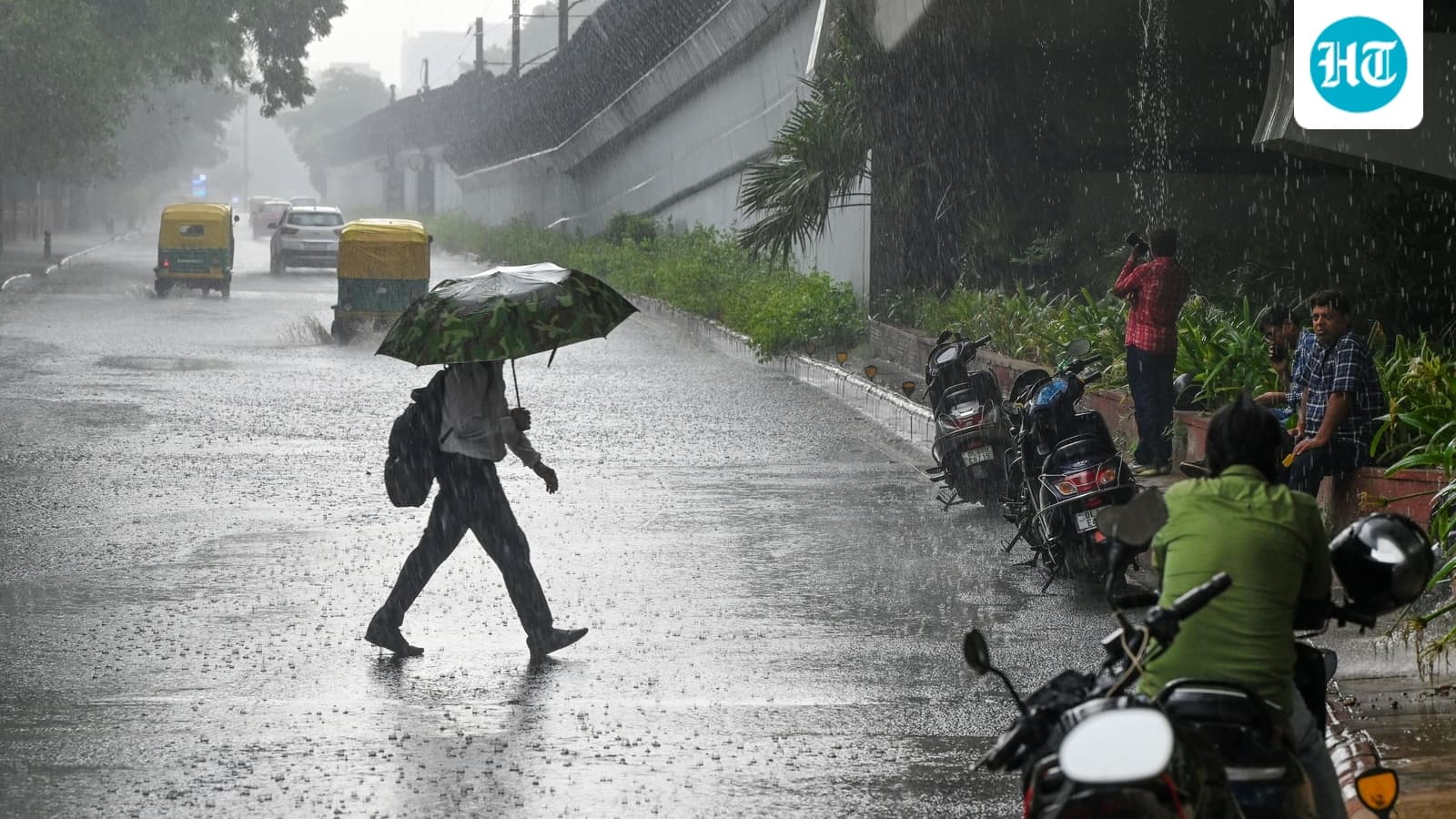
As residents seek relief from the sweltering heat, the India Meteorological Department has projected a late-June arrival for the southwest monsoon across the National Capital Region.
The wait for the southwest monsoon is the primary concern for millions across the National Capital Region as the city transitions from a brutal summer into a period of volatile weather. According to the latest IMD forecast, Delhi, alongside neighbouring hubs like Noida, Gurugram, and Ghaziabad, can expect the seasonal rains to arrive between June 25 and June 30. This window marks a critical update for a region that has been oscillating between record-breaking heat and sudden, short-lived thunderstorms.
A Delayed Progress from the South
The monsoon's journey this year has been anything but conventional. After its initial onset over Kerala on June 4—a date that arrived three days later than the long-term average—the weather system faced early challenges in its northward march. While the IMD had previously monitored various factors influencing the speed of the winds, the current trajectory suggests that the system is now gathering momentum. By the third week of June, officials anticipate the monsoon will have advanced across the majority of the country, setting the stage for its eventual entry into the northwest plains.
Regional Outlook and Immediate Weather
While the broader monsoon arrival is pegged for the end of the month, the immediate weather in Delhi remains dynamic. The capital is currently under a yellow alert, with the forecast calling for light to moderate rainfall interspersed with gusty winds and lightning. These localized weather phenomena are distinct from the full-scale arrival of the monsoon but serve as a precursor to the seasonal shift. Surrounding cities, particularly Gurugram, remain under similar yellow alerts, while Noida and Ghaziabad are bracing for partly cloudy skies and intermittent thundershowers.
Historical Context and Implications
The projected arrival dates are being closely compared to historical benchmarks. Last year, the monsoon hit Delhi on June 29, which was slightly later than the traditional onset date of June 27. Meteorologists note that the arrival of the monsoon is not merely a date on a calendar but a complex interaction of atmospheric pressures and moisture-laden winds. For states like Punjab, Haryana, and the hilly terrains of Himachal Pradesh, Jammu, and Kashmir, the arrival of this system is vital for agricultural planning and replenishing water reservoirs that typically deplete during the peak of the North Indian summer.
Why the Timing Matters
The variability in the monsoon’s arrival highlights the increasingly erratic nature of weather patterns in recent years. While the IMD continues to track the progress using sophisticated satellite mapping and ground-level observations, the shift in dates—sometimes by just a few days—has significant impacts on urban infrastructure and public health. As the city waits for the official declaration of the monsoon's onset, residents are advised to monitor daily updates, as the weather office continues to refine its predictions based on real-time atmospheric shifts.
The PoliticalPedia Editorial Desk brings verified, sourced political news and analysis from across India.