Meenakshi Natarajan moves Supreme Court in high-stakes battle over Rajya Sabha nomination rejection
Supreme Court Move: Meenakshi Natarajan approaches the Supreme Court over rejection of her nomination
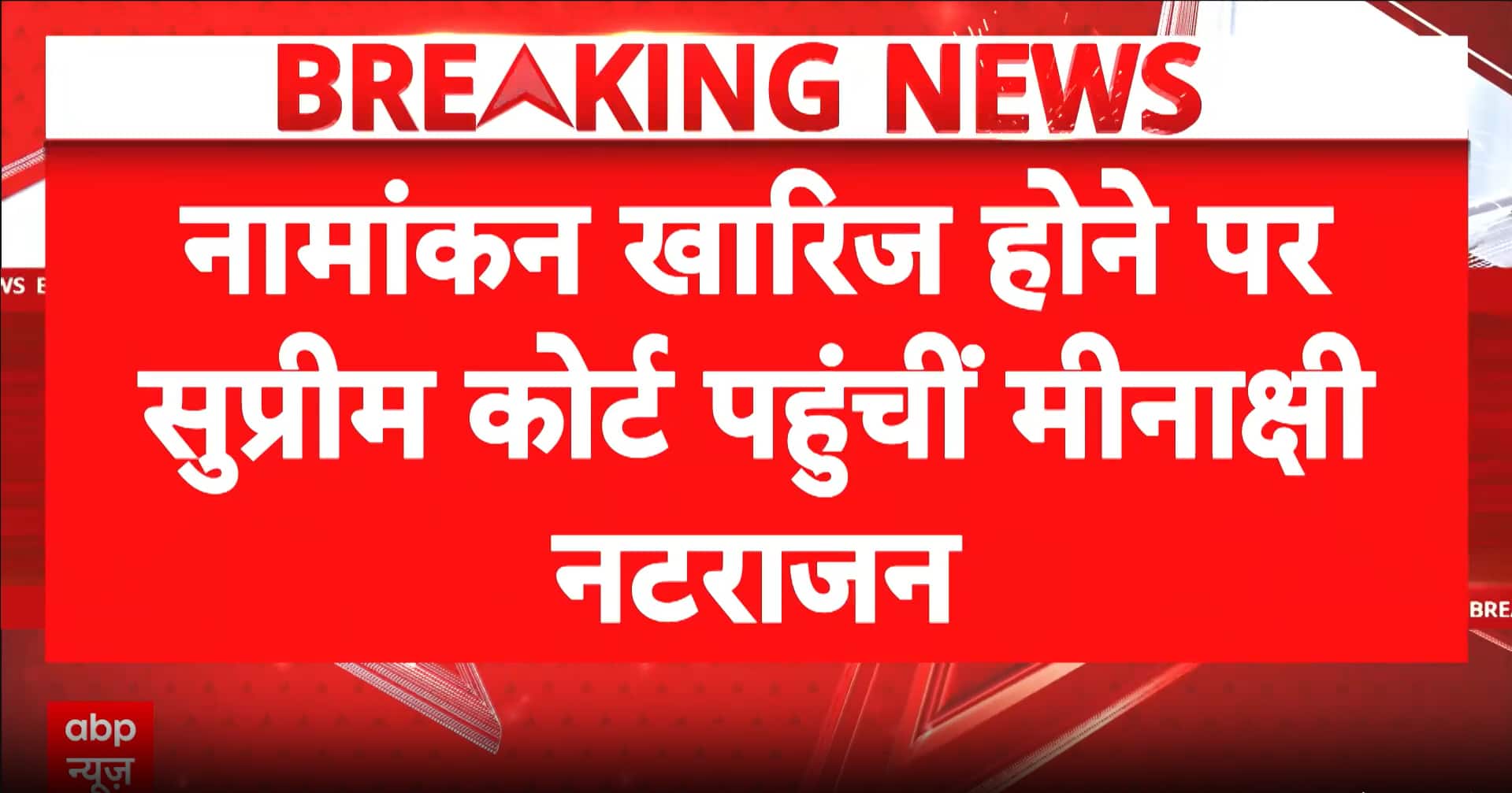
The Congress leader has mounted a last-ditch legal challenge at the Supreme Court after election officials disqualified her candidature, threatening to upend the party's Rajya Sabha strategy in Madhya Pradesh.
The quiet of a late night at the Supreme Court’s online filing desk was broken yesterday as Meenakshi Natarajan’s legal team pushed through an urgent petition. The stakes for the Congress party are immediate and existential: the rejection of Natarajan's nomination papers has left the party scrambling, with the clock ticking down on the election process. Her lawyers are expected to mention the matter before the court at 10:30 AM today, arguing that any delay renders the entire exercise moot—once the polling window shuts, the damage to her candidacy becomes, for all practical purposes, irreversible.
The flashpoint for this crisis is the nomination form itself. Election authorities flagged incomplete information, leading to a summary rejection that has sent ripples through the Madhya Pradesh political corridors. While the Congress camp maintains that no material facts were hidden and that the disqualification is a gross overreach, the fallout has been swift. There have been reports of MLAs being moved and party anxiety peaking, as the BJP watches the procedural hurdle turn into a potential electoral sweep.
A procedural fight with political consequences
For the Congress, this is more than just a paperwork dispute; it is about protecting their presence in the Upper House. The party's legal strategy hinges on convincing the bench that the rejection was unjustified and that the court must intervene before the final withdrawal deadline expires. If the Supreme Court agrees to hear the case, it will likely look to the Election Commission of India (ECI) for a response, testing the delicate balance between judicial oversight and the autonomy of election officials.
The drama is compounded by internal optics. Madhya Pradesh Chief Minister Mohan Yadav has already waded into the fray, suggesting that the party's own internal dynamics may have played a role in the botched nomination. This narrative complicates the Congress’s position, as they fight a two-front battle: one in the courtroom against the ECI’s technical ruling, and another in the public sphere to maintain party unity.
The bigger picture
Why does this matter? Beyond the fate of a single seat, this case highlights the growing reliance on the judiciary to settle electoral disputes before the ink is even dry on the ballot. When nomination processes—traditionally the domain of Returning Officers—become the primary site of political combat, it signals a shift in how parties view the "rules of the game."
Whether the Supreme Court chooses to intervene will set a crucial precedent. If the court grants relief, it signals a low tolerance for bureaucratic technicalities that threaten to disenfranchise candidates. If it declines, it reinforces the finality of the ECI’s authority. Either way, this court move keeps the spotlight firmly on the sanctity of the nomination process, a step often overlooked until it becomes the difference between a seat won and a candidate sidelined.
Priya Nair covers parties, elections and the business of power for PoliticalPedia.