Mamata, Uddhav & The Rebels With A Cause: Speaker Will Have Last Word On Fate Of TMC, Sena UBT Soon
Mamata, Uddhav & The Rebels With A Cause: Speaker Will Have Last Word On Fate Of TMC, Sena UBT Soon
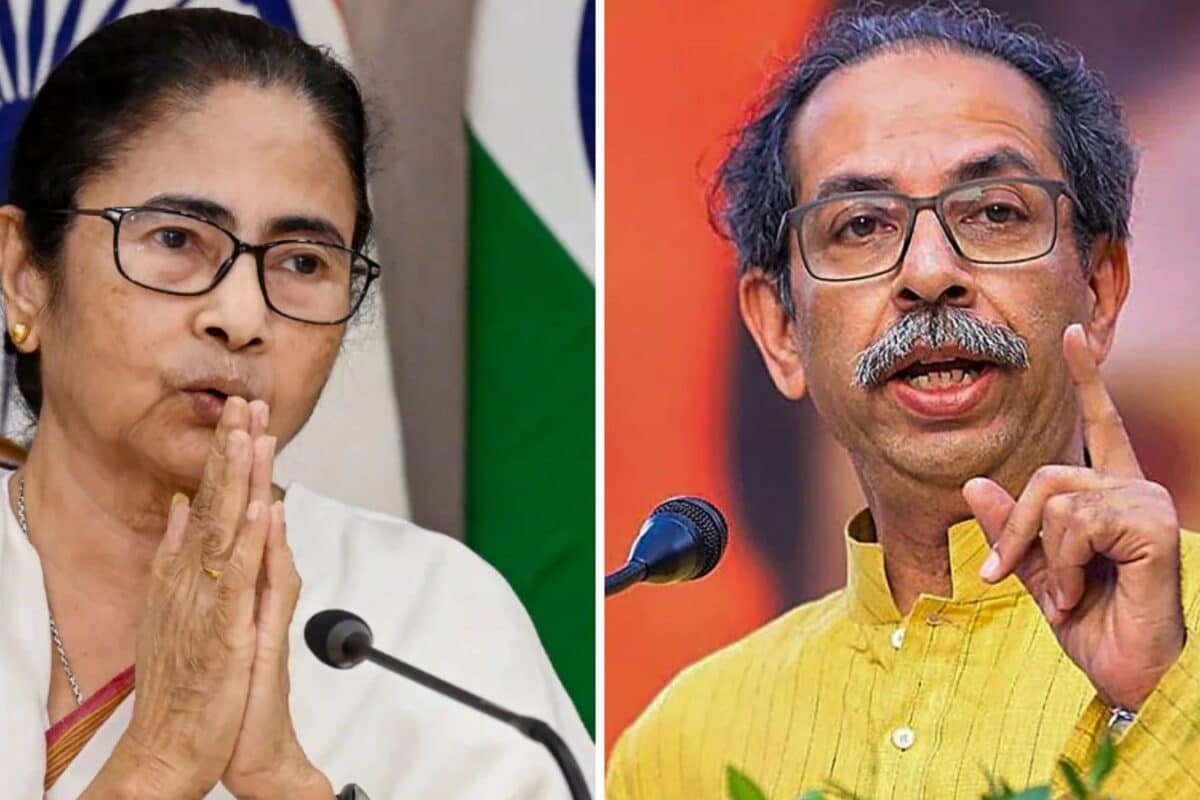
As the Monsoon Session approaches, Lok Sabha Speaker Om Birla faces a high-stakes decision on whether the mass exodus from the TMC and Sena UBT constitutes a legal merger or a disqualifiable defection.
The air in the corridors of Parliament is thick with anticipation as the Monsoon Session, beginning July 20, looms large. For Mamata Banerjee’s Trinamool Congress and Uddhav Thackeray’s Shiv Sena (UBT), the upcoming days are not just about legislative debates; they are a fight for political survival. Speaker Om Birla is currently reviewing complex petitions regarding the status of rebel MPs, a move that will determine if these factions remain intact or face further erosion.
The Numbers Game
The scale of the rebellion is staggering. In the TMC camp, 20 MPs have broken ranks, aligning themselves with a little-known outfit called the Nationalist Citizens Party of India (NCPI). These rebels have gone a step further, formally seeking separate seating in the Lok Sabha and signalling their intent to join the NDA. With the TMC having secured 29 seats in the 2024 general election—minus one vacancy—this departure represents a massive chunk of their parliamentary strength.
Meanwhile, the Shiv Sena (UBT) is grappling with a similar hemorrhage. Out of the nine MPs elected under the Thackeray banner, six have shifted their loyalty to the faction led by Maharashtra Deputy Chief Minister Eknath Shinde. For the Sena (UBT), this is the latest chapter in a long-running saga of attrition that began in 2022.
Legal Hurdles and the Tenth Schedule
Both TMC and Sena UBT have made their position clear: these are not mere internal disagreements, but clear-cut cases for the Tenth Schedule. Their lawyers argue that the anti-defection law is unambiguous—protection from disqualification is only granted in the event of a valid, full-scale party merger. They contend that a splinter group simply breaking away does not meet the legal threshold, rendering the rebels liable for disqualification.
The Speaker will have last word on these petitions, and his ruling will set a precedent for how party discipline is maintained in the current Lok Sabha. Whether the NCPI manoeuvre qualifies as a legitimate merger or a tactical defection will be the crux of the Speaker’s upcoming call.
Why it Matters
This is a pivotal moment for Indian parliamentary democracy. The case highlights a recurring pattern where regional parties are increasingly vulnerable to internal fragmentation, often triggered by shifting loyalties toward the ruling coalition. If the Speaker rules that these groups have successfully merged, it could encourage more "rebel with a cause" scenarios, effectively hollow out opposition parties from within. Conversely, a strict interpretation of the anti-defection law could stem the tide of floor-crossing, forcing factions to resolve their differences internally rather than through legislative exits. Ultimately, the survival of the TMC and Sena UBT as cohesive parliamentary forces rests on the Speaker's interpretation of institutional loyalty versus political opportunism.
Priya Nair covers parties, elections and the business of power for PoliticalPedia.