Monsoon Tragedy: 6 Dead After Chawl Collapses in Mumbai Amid Heavy Rain
6, Including 4 Women, Killed After Chawl Collapses In Mumbai Amid Heavy Rain
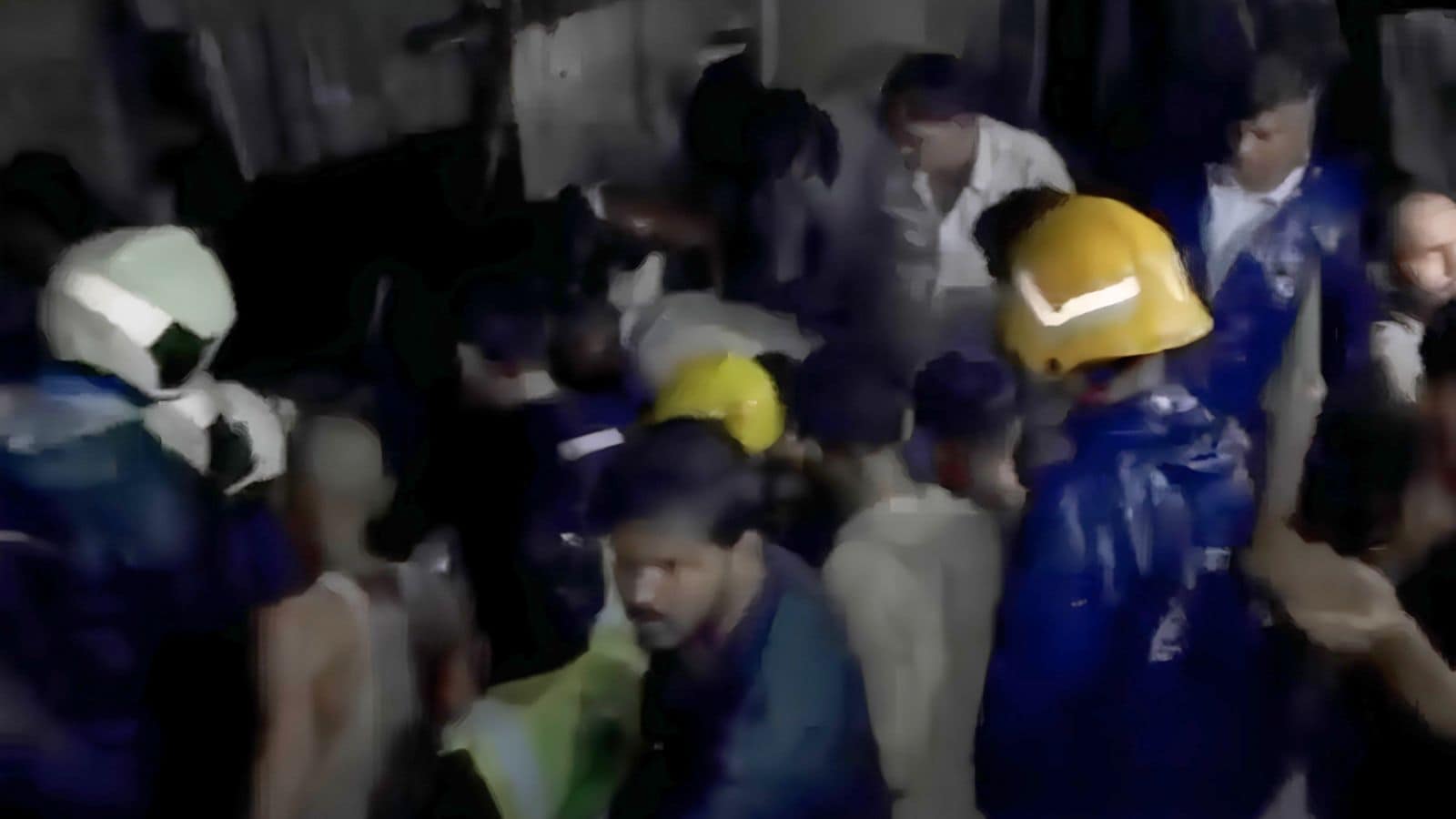
A structural collapse in a Mumbai chawl has left six people dead as relentless downpours continue to batter the city’s aging infrastructure.
The monsoon has once again exposed the fragile reality of Mumbai’s housing landscape. Early reports confirm that six lives—including four women—were lost when a multi-storey chawl structure crumbled under the weight of sustained, heavy precipitation. Rescue teams were deployed immediately to the site, working through debris and mud to reach those trapped, with one individual reported injured amid the ongoing operations.
This incident follows a weekend that saw a significant surge in water levels across the city’s reservoirs, with lake levels rising by 3.8% in just 24 hours. While the rainfall is critical for the city’s water security, the intensity of the deluge is placing an immense strain on older, low-rise tenements that define the city's denser residential pockets.
A Pattern of Risk
The tragedy is not an isolated event. Across the city, the combination of extreme weather and aging infrastructure is creating a dangerous environment. Authorities have been on high alert, with reports surfacing of multiple rain-related casualties over the past week alone, including a string of electrocution cases. For residents living in similar chawl-style housing, the anxiety is palpable as they watch the skies and wait for the latest updates on the weather tomorrow.
The collapse serves as a grim reminder of the structural vulnerabilities inherent in the city's older tenements. Many of these buildings have reached their expiry date, yet remain occupied, leaving thousands exposed when the intensity of the monsoon spikes. Despite municipal warnings, the sheer volume of water this season has overwhelmed drainage systems and tested the integrity of foundations that were never built for such extreme, concentrated downpours.
Why It Matters
Beyond the immediate search and rescue mission, this tragedy highlights a systemic failure in urban planning and maintenance. The "bigger picture" is one of a city caught between the necessity of economic activity and the reality of decaying residential infrastructure. As Mumbai continues to expand, the focus often shifts to high-rise development, leaving the legacy housing sector—where a significant portion of the working-class population resides—in a state of neglect.
When incidents like these occur, the discourse inevitably turns to redevelopment delays and the lack of structural audits. Without a proactive approach to rehabilitating these high-risk zones before the onset of the monsoon, the cycle of tragedy remains difficult to break. For the administration, the challenge lies in balancing urgent safety measures with the long-term need for resilient, affordable housing that can withstand the city's increasingly unpredictable climate.
Rohan Gupta covers the economy, markets and companies for PoliticalPedia.